-
Strategic Integration of AI for Enterprise Data Unification
Enterprises today collect data from dozens of sources—CRM systems, IoT sensors, legacy databases, cloud applications, and external partners. The sheer volume, velocity, and variety of this information creates a integration bottleneck that hampers decision‑making. Artificial intelligence (AI) resolves this bottleneck by automating the extraction, transformation, and loading (ETL) processes that were traditionally manual and error‑prone. Machine‑learning models can infer schema mappings, detect anomalies, and recommend optimal data pipelines, dramatically reducing time‑to‑insight.

Beyond speed, AI adds a layer of intelligence that enables dynamic adaptation to evolving data landscapes. When a new data source appears, an AI‑driven schema‑discovery engine can instantly profile the dataset, suggest field correspondences, and generate integration code without human intervention. This capability transforms integration from a project‑based initiative into a continuous, self‑optimizing service.
In practice, multinational manufacturers have deployed AI‑augmented integration platforms to unify shop‑floor telemetry with ERP data, achieving real‑time production visibility and predictive maintenance. Financial institutions use AI to reconcile disparate transaction logs across legacy mainframes and modern fintech APIs, cutting reconciliation cycles from days to minutes. These examples illustrate that AI is no longer an optional add‑on; it is the strategic foundation for scalable data integration.
Classification of AI‑Powered Integration Approaches
AI techniques can be grouped into three primary integration categories: structural alignment, semantic enrichment, and operational orchestration. Structural alignment focuses on matching fields and data types across sources, typically using supervised learning models trained on historical mapping decisions. Semantic enrichment adds business context by linking raw attributes to a shared ontology, often leveraging natural language processing (NLP) to interpret column names and documentation. Operational orchestration automates the execution of integration workflows, applying reinforcement learning to optimize scheduling and resource allocation.
For a retail chain that consolidates point‑of‑sale (POS) data, inventory feeds, and e‑commerce transactions, structural alignment would map “SKU,” “Product_ID,” and “ItemCode” to a unified product key. Semantic enrichment would then associate each product with its category hierarchy, pricing rules, and promotional attributes, enabling consistent analytics across channels. Operational orchestration would schedule incremental loads during off‑peak hours, dynamically adjusting based on network latency and processing load.
Each category addresses a distinct pain point. Structural alignment eliminates manual mapping errors, semantic enrichment ensures data is understandable across business units, and operational orchestration guarantees that integration pipelines run efficiently at scale. Enterprises should assess their integration maturity to determine which AI category delivers the highest immediate ROI.
Key Challenges and Mitigation Strategies
Deploying AI for data integration introduces challenges that must be proactively managed. Data quality remains a fundamental obstacle; biased or incomplete training data can cause AI models to propagate errors across the pipeline. To mitigate this risk, organizations should implement a robust data governance framework that includes automated profiling, anomaly detection, and human‑in‑the‑loop validation before model deployment.
Another challenge is model explainability. Business stakeholders demand transparency around why a particular field mapping was suggested. Techniques such as SHAP (SHapley Additive exPlanations) and LIME (Local Interpretable Model‑agnostic Explanations) can provide insight into the decision‑making process of complex models, fostering trust and facilitating regulatory compliance.
Scalability is also a concern when integrating petabytes of data from globally distributed sources. Leveraging distributed computing platforms—such as Spark or Flink—combined with containerized AI services ensures that inference can be performed at the edge, reducing latency and network overhead. Finally, security and privacy regulations require that AI models respect data residency and encryption standards; incorporating federated learning allows models to be trained locally on sensitive datasets without moving raw data across borders.
Core AI Techniques That Drive Integration Success
Supervised learning remains the workhorse for schema matching, using labeled examples of correct column pairings to train classifiers. Gradient‑boosted trees and neural networks excel at handling high‑dimensional feature spaces that include statistical similarity, lexical similarity, and structural hierarchy. Unsupervised clustering, on the other hand, is valuable for discovering previously unknown relationships, especially in exploratory integration projects where labeled data is scarce.
Natural language processing enhances semantic enrichment by extracting meaning from metadata, documentation, and even data values themselves. Embedding models such as BERT encode column names and sample values into vector representations, enabling similarity searches that surface conceptually related fields across disparate systems. Knowledge graphs built on these embeddings provide a unified semantic layer that downstream analytics can query directly.
Reinforcement learning optimizes the orchestration layer by treating pipeline scheduling as a sequential decision problem. An agent receives feedback on execution latency, resource consumption, and error rates, learning policies that balance speed with cost. In a real‑time fraud detection scenario, this approach can prioritize high‑risk data streams for immediate processing while deferring low‑risk batches to off‑peak windows.
Implementation Roadmap for an AI‑First Integration Initiative
Enterprises should follow a phased roadmap to embed AI into their data integration lifecycle. Phase 1 focuses on data discovery and profiling, deploying AI agents that automatically catalog source schemas, data volumes, and quality metrics. Phase 2 introduces supervised schema‑matching models, trained on a curated set of historical mappings and continuously refined through active learning loops.
Phase 3 adds semantic layers using NLP‑driven ontology generation, linking technical attributes to business concepts. At this stage, a governance council validates the generated ontology to ensure alignment with corporate taxonomy. Phase 4 implements reinforcement‑learning orchestration, integrating with existing workflow engines to dynamically allocate compute resources based on real‑time performance signals.
Phase 5 establishes monitoring and feedback mechanisms, employing drift detection algorithms to identify when source data characteristics diverge from training assumptions. Automated retraining pipelines then refresh models without disrupting production. Throughout all phases, cross‑functional teams—data engineers, data scientists, and domain experts—must collaborate to ensure that AI outputs meet both technical and business requirements.
Quantifiable Benefits and Future Outlook
Organizations that adopt AI‑driven integration report measurable improvements: up to 70 % reduction in manual mapping effort, a 40 % acceleration of data availability, and a 30 % decrease in integration‑related errors. These efficiencies translate into faster time‑to‑market for new products, more accurate predictive analytics, and lower operational costs.
Looking ahead, the convergence of generative AI and data integration promises even greater automation. Large language models can generate integration scripts from natural‑language requirements, enabling business users to request new data pipelines through conversational interfaces. Additionally, edge AI will allow on‑device preprocessing, reducing the volume of raw data transmitted to central warehouses and enhancing privacy compliance.
In summary, AI reshapes data integration from a labor‑intensive chore into a strategic asset. By classifying integration needs, addressing challenges with robust governance, leveraging supervised, unsupervised, NLP, and reinforcement‑learning techniques, and following a disciplined implementation roadmap, enterprises can unlock rapid, reliable, and scalable data unification—positioning themselves for sustained competitive advantage in an increasingly data‑centric world.
-
Intelligent Hospitality: Harnessing AI to Redefine Guest Experience and Operational Excellence
In the highly competitive hospitality sector, margins are squeezed by labor costs, fluctuating demand, and ever‑rising guest expectations. Artificial intelligence offers a systematic way to convert data into actionable insight, turning routine interactions into revenue‑generating opportunities. By embedding AI at the core of both front‑of‑house and back‑of‑house processes, operators can achieve a level of personalization and efficiency that traditional systems simply cannot match. The strategic payoff is twofold: enhanced guest satisfaction and a measurable lift in operational productivity.

Beyond the buzz, AI delivers quantifiable outcomes—faster check‑in times, optimized inventory, and predictive pricing that responds to market dynamics in real time. Companies that adopt a data‑centric culture are able to align technology investments with clear business objectives, ensuring that every algorithm contributes to measurable KPIs such as RevPAR, average daily rate, and labor utilization.
Implementation, however, must begin with a clear governance framework. Stakeholders need to define data ownership, privacy protocols, and ethical guidelines before any model is trained. This disciplined approach prevents costly rework and builds trust among guests who are increasingly aware of how their personal information is used.
AI‑Powered Guest Interaction: From Chatbots to Hyper‑Personalized Services
Conversational agents have evolved from simple FAQ responders to sophisticated virtual concierges capable of handling complex multi‑turn dialogues. A guest can now request a late checkout, book a spa appointment, or receive real‑time local recommendations through a single interface, whether via the property’s mobile app or a messaging platform. By integrating natural language processing with the property management system, the AI agent can pull up reservation details, verify availability, and confirm changes instantly.
Personalization goes deeper when AI analyzes historical stay data, loyalty program activity, and even social media sentiment. For example, a returning guest who previously ordered a vegan dinner can be offered a curated menu selection before arrival, while a business traveler with a history of early flights can be prompted with a transportation shuttle schedule. This anticipatory service not only delights guests but also drives ancillary revenue through targeted upsells.
Implementation considerations include selecting a language model that can be fine‑tuned on property‑specific terminology and ensuring seamless API integration with existing booking engines. Continuous monitoring of conversation logs is essential to refine intent recognition and to prevent inadvertent errors that could harm the brand’s reputation.
Optimizing Operations: Predictive Analytics for Housekeeping, Food & Beverage, and Revenue Management
Housekeeping efficiency can be dramatically improved by using AI to predict room turnover patterns. By ingesting reservation data, local event calendars, and weather forecasts, a predictive model can generate a dynamic cleaning schedule that aligns staff availability with actual demand. This reduces idle labor hours while ensuring rooms are ready precisely when guests arrive.
In the food‑and‑beverage arena, AI-driven demand forecasting helps chefs and inventory managers order the right quantity of perishable ingredients. Machine learning models analyze past sales, day‑of‑week trends, and promotional activity to minimize waste and improve margin. Some properties have extended this capability to automate menu engineering, adjusting pricing and dish placement based on real‑time contribution margins.
Revenue management teams benefit from AI that continuously evaluates market supply, competitor pricing, and traveler intent signals. Advanced algorithms can recommend price adjustments in seconds, allowing hotels to capture incremental revenue during high‑demand windows while protecting occupancy during slower periods. The key to success is integrating the AI engine with the central reservation system so that price changes are instantly reflected across all distribution channels.
Seamless Integration: Building an AI‑Ready Architecture
A robust AI implementation rests on a unified data platform that aggregates information from property management systems, point‑of‑sale terminals, CRM tools, and IoT sensors. Cloud‑based data lakes provide the elasticity needed to store high‑volume, high‑velocity streams, while edge computing can process sensor data locally for real‑time applications such as occupancy detection and energy optimization.
APIs act as the connective tissue, exposing standardized endpoints for AI services to consume and for operational tools to consume AI insights. Service‑oriented architecture ensures that each AI component—whether a recommendation engine or a predictive scheduler—can be upgraded or replaced without disrupting core hospitality workflows.
Security and compliance must be baked into the architecture from day one. Encryption at rest and in transit, role‑based access controls, and regular vulnerability assessments protect guest data and meet regulatory requirements such as GDPR or PCI DSS. A well‑documented data lineage also facilitates auditability and confidence in model outputs.
Change Management and Skill Development: Empowering Teams to Leverage AI
Technology adoption alone does not guarantee success; staff must be equipped to interpret AI recommendations and act on them. Training programs should focus on data literacy, explaining how model inputs translate to outputs, and highlighting the boundaries of AI confidence levels. Front‑desk agents, for instance, can use AI‑driven sentiment analysis to prioritize guest complaints, while housekeeping supervisors can rely on predictive schedules to allocate resources efficiently.
Creating cross‑functional AI champion teams accelerates adoption. These teams act as liaisons between data scientists, IT, and operational leaders, translating business needs into model requirements and feeding back performance metrics for continuous improvement. Incentive structures that reward data‑driven decision making further embed an AI‑first mindset across the organization.
Finally, pilot projects should be scoped tightly with clear success criteria—such as a 15% reduction in check‑in time or a 10% increase in ancillary spend—and then scaled based on proven ROI. Iterative rollouts reduce risk and build confidence among stakeholders.
Future Outlook: Emerging AI Trends Shaping the Next Decade of Hospitality
Generative AI is poised to transform content creation for marketing, enabling hotels to produce personalized itineraries, visual assets, and promotional copy at scale. Combined with reinforcement learning, autonomous pricing agents could negotiate rates across multiple distribution channels without human oversight, while still adhering to brand guidelines.
Computer vision integrated with security cameras can enhance safety by detecting unusual behavior in real time, and can also provide occupancy analytics for space utilization planning. Voice‑activated room controls powered by AI will allow guests to adjust lighting, temperature, and entertainment preferences through natural speech, creating a seamless, touch‑free experience.
To stay ahead, hospitality leaders must adopt a continuous innovation pipeline—regularly evaluating emerging AI capabilities, investing in scalable infrastructure, and fostering partnerships with research institutions. By doing so, they will not only meet the evolving expectations of today’s travelers but also create new revenue streams that redefine the very notion of hospitality.
-
Transforming Grievance Handling: How Intelligent Automation Redefines Service Excellence
Enterprises that rely on manual ticketing systems face escalating costs, inconsistent response times, and a growing gap between customer expectations and operational reality. In a recent industry survey, 68% of senior CX leaders reported that legacy processes caused at least one missed service‑level agreement per week. Moreover, the average time to first response stretched beyond 24 hours in sectors such as finance and telecommunications, eroding brand trust.
AI in customer complaint management is a core part of this shift.
AI in customer complaint management emerges as a decisive lever to close this gap, offering the ability to triage, prioritize, and resolve grievances at machine speed while preserving the human touch where it matters most. By analyzing sentiment, intent, and historical patterns, intelligent agents can route a complaint to the optimal specialist within seconds, dramatically shrinking the resolution window.
Beyond speed, the key advantage lies in data consistency. Manual entry errors, duplicate records, and fragmented communication channels have long plagued complaint databases, leading to skewed analytics and misguided strategy. An AI‑driven platform centralizes every interaction—email, chat, social media, voice—and normalizes the data into a single, queryable repository. AI for customer complaint management is a core part of this shift.
Core Use Cases That Deliver Measurable ROI
One of the most compelling use cases is automated sentiment detection. By applying natural‑language processing to incoming messages, the system assigns a sentiment score ranging from -1 (highly negative) to +1 (positive). A retail giant used this capability to flag any complaint with a sentiment below –0.7, automatically escalating it to a senior manager. The result was a 42% reduction in escalations that required manual review.
Another high‑impact scenario involves root‑cause analytics. When a surge of product‑related complaints is detected, the AI engine correlates keywords, purchase timestamps, and geographic data to pinpoint the defective batch or distribution hub. A manufacturing firm saved $3.2 million in warranty costs after the AI identified a mis‑configured sensor that had been triggering false alarms for weeks.
Predictive workload balancing also showcases the power of intelligent automation. By forecasting complaint volume based on seasonality, marketing campaigns, and external events (e.g., a planned software update), the system proactively schedules staff shifts, ensuring that peak periods are adequately covered without overstaffing.
Strategic Benefits That Extend Beyond the Frontline
When complaints are resolved swiftly, customer satisfaction scores (CSAT) and Net Promoter Scores (NPS) rise in tandem. A global airline reported a 15‑point NPS increase after deploying AI to handle baggage‑loss claims, primarily because passengers received real‑time updates and automated compensation offers.
From a compliance perspective, AI creates an immutable audit trail. Every interaction is time‑stamped, categorized, and stored in accordance with regulations such as GDPR and CCPA. This not only simplifies internal audits but also reduces the risk of costly penalties.
Finally, the strategic insight derived from aggregated complaint data fuels product innovation. By surfacing recurring pain points, product teams can prioritize feature enhancements, thereby turning a reactive complaint process into a proactive development engine.
AI for customer complaint management: Integrating Technology with Human Expertise
Successful deployment hinges on a hybrid model that blends machine efficiency with human empathy. Initial triage, sentiment scoring, and suggested resolutions are generated by the AI, while complex cases are handed off to seasoned agents who can add nuance and discretion. This approach preserves job relevance and reduces burnout, as agents spend less time on repetitive inquiries and more on high‑value problem solving.
Implementation begins with data ingestion. Organizations must consolidate legacy CRM, ERP, and communication logs into a data lake, ensuring that the AI has access to a comprehensive view of the customer journey. Next, a supervised learning phase trains the models using a curated set of labeled complaints, gradually improving accuracy as the system ingests live data.
Governance frameworks are essential to avoid bias. Regular model audits, coupled with transparent explainability dashboards, enable compliance officers to verify that automated decisions do not disadvantage any customer segment. Continuous feedback loops—where agents correct misclassifications—further refine the algorithm over time.
Operational Considerations and Best‑Practice Checklist
Before scaling, enterprises should conduct a pilot in a controlled environment, such as a single product line or regional call center. Key performance indicators (KPIs) to monitor include First Contact Resolution (FCR), average handling time, and sentiment‑driven escalation rates. A 30‑day pilot typically reveals integration bottlenecks and provides a baseline for ROI calculations.
Security cannot be an afterthought. End‑to‑end encryption, role‑based access controls, and regular penetration testing protect sensitive complaint data from breach. Moreover, adopting a zero‑trust architecture ensures that AI services communicate securely with legacy systems.
Change management is equally critical. Clear communication about the purpose of AI, accompanied by hands‑on training sessions, mitigates resistance from frontline staff. Incentive structures that reward agents for leveraging AI recommendations can accelerate adoption and reinforce a culture of continuous improvement.
Future Outlook: From Reactive Handling to Proactive Experience Management
The evolution of AI in complaint handling is moving toward anticipatory service. By integrating predictive analytics with Internet‑of‑Things (IoT) telemetry, organizations can detect product anomalies before customers even notice them, automatically generating a pre‑emptive service ticket. For instance, a smart‑home device manufacturer now offers automatic firmware rollbacks when the AI predicts a potential failure, eliminating the need for a complaint altogether.
Conversational agents equipped with large‑language models will soon handle entire complaint lifecycles, from initial intake to resolution, without human handoff for low‑complexity issues. These agents can also synthesize knowledge from internal policy documents, guaranteeing consistent and compliant responses across all channels.
In summary, the convergence of AI‑driven triage, predictive insights, and seamless human collaboration is redefining how enterprises manage customer grievances. Companies that invest early in this intelligent framework will not only reduce operational costs but also transform complaints into a strategic asset for brand loyalty and product excellence.
-
Harnessing Generative AI to Elevate Internal Audit and Regulatory Compliance
Enterprises are confronting an unprecedented volume of data, tighter regulatory timelines, and heightened expectations for transparency. Traditional audit and compliance methodologies—largely manual, checklist‑driven, and siloed—can no longer keep pace with the speed at which risks emerge. Generative AI (GenAI) offers a paradigm shift: it can ingest massive data sets, identify non‑obvious patterns, and produce narrative insights that are both actionable and auditable. By embedding GenAI into internal audit and regulatory compliance workflows, organizations transform these functions from reactive gatekeepers into proactive intelligence hubs.
The strategic value of GenAI is underscored by its ability to reduce cycle times, improve risk detection accuracy, and free skilled professionals to focus on higher‑value analysis. When audit teams leverage AI‑generated risk narratives alongside traditional control testing, they achieve a more holistic view of enterprise risk. Similarly, compliance officers can rely on AI‑driven policy interpretation and real‑time monitoring to stay ahead of regulatory changes, rather than merely reacting after violations are discovered.
In practice, this means moving from periodic, sample‑based assessments to continuous, data‑centric assurance. The result is a resilient operating model that not only meets today’s regulatory expectations but also adapts swiftly to tomorrow’s emerging standards.
Integrating Generative AI Into Existing Audit and Compliance Frameworks
Successful integration begins with a clear definition of scope. Organizations should map out core audit processes—risk assessment, control testing, reporting—and compliance activities—policy management, monitoring, and filing—to identify where GenAI can add the most value. A phased approach is recommended: pilot AI models on low‑risk, high‑volume tasks such as document classification, then expand to more complex analyses like predictive risk scoring.
Technical integration typically involves three layers: data ingestion, model orchestration, and output delivery. Data ingestion must pull from ERP systems, log files, unstructured documents, and external regulatory feeds, ensuring that the AI model has a comprehensive view. Model orchestration can be achieved through containerized services or cloud‑based AI platforms that allow scaling on demand. Finally, output delivery should feed directly into existing audit management tools and compliance dashboards, preserving the familiar user experience while enriching it with AI‑generated insights.
Governance is equally critical. Enterprises must establish AI ethics guidelines, model validation procedures, and audit trails for AI decisions. This ensures that AI‑driven conclusions are transparent, reproducible, and defensible in front of regulators or internal stakeholders. By embedding these controls early, organizations avoid the “black‑box” pitfalls that have historically hampered AI adoption in highly regulated environments.
Use Cases That Demonstrate Real‑World Impact
Automated Transaction Screening: In high‑volume finance operations, GenAI can scan millions of transactions daily, flagging anomalies that deviate from learned patterns. By generating concise risk narratives for each flagged transaction, auditors can prioritize investigations without manually reviewing each record.
Policy Gap Analysis: Compliance teams often grapple with aligning internal policies to an ever‑changing regulatory landscape. GenAI can ingest new regulations, compare them to existing policies, and highlight gaps in language or control coverage. The AI then drafts suggested amendments, cutting weeks of manual policy review down to hours.
Continuous Control Monitoring: By deploying GenAI models that ingest system logs, change‑management records, and user activity streams, organizations achieve near‑real‑time assurance that controls are operating as intended. The AI generates alerts and executive summaries when deviations occur, enabling rapid remediation.
Audit Report Generation: Traditional audit reporting involves synthesizing data, drafting narrative findings, and formatting documents—a time‑intensive process. GenAI can draft structured audit reports, complete with executive summaries, risk heat maps, and recommended actions, which auditors then review and sign off. This reduces reporting effort by up to 60 percent while maintaining quality.
Regulatory Filing Assistance: Many industries face recurring filing obligations, such as financial disclosures or environmental impact statements. GenAI can auto‑populate filing templates with extracted data, validate against filing rules, and even suggest language to address regulator‑specific concerns, ensuring both accuracy and timeliness.
Challenges and Mitigation Strategies
Data quality remains the single biggest barrier. AI models are only as reliable as the data they ingest; incomplete, inconsistent, or outdated data can produce misleading insights. Enterprises should invest in data‑governance frameworks that standardize formats, enforce validation rules, and maintain lineage records. Regular data audits—ironically performed by the audit function itself—help keep the AI pipeline clean.
Model bias and fairness pose another risk, particularly when AI is used to assess risk across diverse business units or geographies. Organizations must implement bias detection routines, regularly retrain models on representative data sets, and involve cross‑functional review boards to validate AI outputs before they influence decision‑making.
Regulatory scrutiny of AI use is evolving. Some jurisdictions are introducing requirements for explainability and documentation of AI‑driven decisions. To stay compliant, firms should maintain detailed model documentation, version control, and logs of AI‑generated recommendations. This documentation becomes part of the audit evidence trail, satisfying both internal and external reviewers.
Finally, change management cannot be overlooked. Auditors and compliance professionals may fear that AI will replace their roles. Effective communication that positions AI as an augmentation tool—freeing staff from repetitive tasks and empowering them to focus on strategic analysis—helps secure buy‑in and accelerates adoption.
Future Trends Shaping the Intersection of Audit, Compliance, and Generative AI
One emerging trend is the convergence of GenAI with advanced analytics such as graph databases and causal inference engines. This fusion enables auditors to trace risk propagation across complex supply chains, revealing hidden dependencies that traditional tools miss. For compliance, the combination allows real‑time scenario modeling of regulatory impacts, helping firms evaluate “what‑if” changes before they are enacted.
Another trend is the rise of AI‑driven digital twins of control environments. By creating a virtual replica of an organization’s control framework, GenAI can simulate process changes, test control effectiveness, and predict compliance outcomes without affecting live operations. This capability supports proactive risk mitigation and enhances audit planning efficiency.
Edge AI is also gaining traction, especially in industries with stringent data residency requirements. Deploying lightweight GenAI models at the edge—within on‑premise data centers or even on secure appliances—ensures that sensitive data never leaves the corporate firewall while still benefiting from AI‑enabled analysis.
Lastly, regulatory bodies themselves are experimenting with AI to streamline oversight. As regulators adopt AI for their own risk assessments, enterprises that have already integrated GenAI into audit and compliance will find alignment easier, reducing the friction of external examinations and fostering a collaborative compliance ecosystem.
Implementation Blueprint: From Pilot to Enterprise‑Wide Adoption
Step 1 – Assess Readiness: Conduct a maturity assessment of data infrastructure, talent capabilities, and governance frameworks. Identify gaps and prioritize quick‑win areas where AI can deliver immediate value.
Step 2 – Define Pilot Scope: Choose a high‑impact, low‑complexity use case such as automated policy gap analysis or transaction anomaly detection. Set clear success metrics—e.g., reduction in manual review time, increase in detection accuracy.
Step 3 – Build and Validate Models: Leverage internal data scientists or trusted external partners to develop GenAI models. Perform rigorous validation, including back‑testing against historical audit findings and compliance breaches.
Step 4 – Integrate With Existing Tools: Connect the AI solution to audit management platforms, GRC systems, and regulatory monitoring dashboards via APIs. Ensure that AI outputs appear as native artefacts within existing workflows.
Step 5 – Govern and Document: Establish AI governance policies covering model versioning, access controls, explainability, and audit trails. Document all model decisions and maintain a repository for regulator review.
Step 6 – Scale and Optimize: Based on pilot outcomes, expand AI coverage to additional audit cycles and compliance domains. Continuously monitor model performance, retrain with new data, and refine governance controls to sustain trust.
By following this structured roadmap, enterprises can transition from experimental pilots to a mature, AI‑enabled assurance ecosystem that delivers faster insights, stronger risk mitigation, and sustained regulatory compliance.
Read more at the source
-
The Future of Manufacturing: Harnessing the Power of a Generative AI Platform
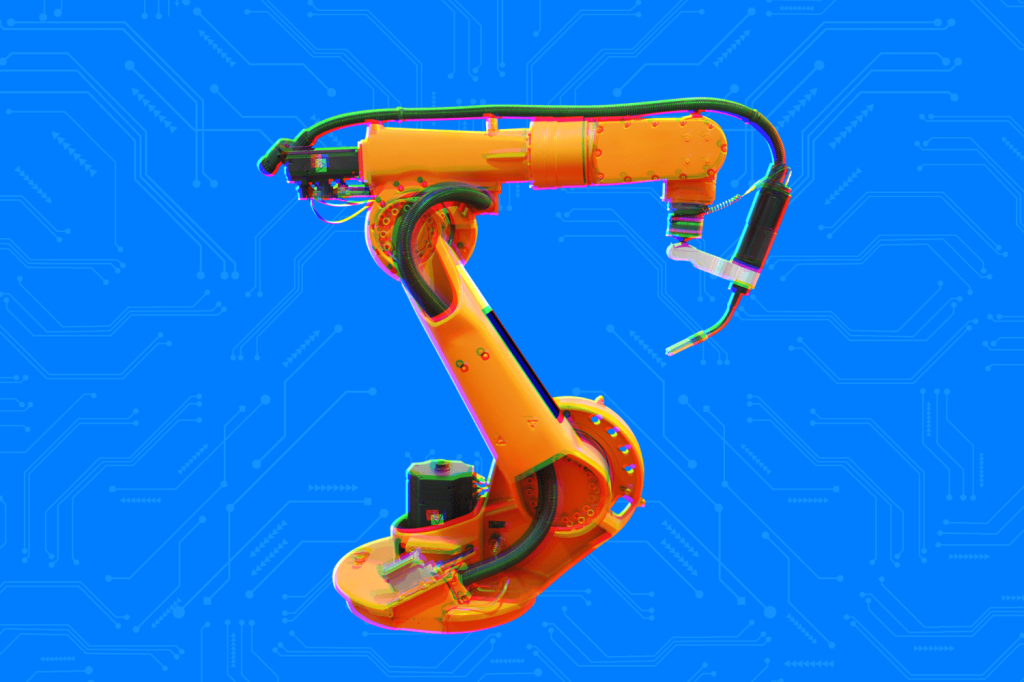
The manufacturing industry is on the brink of a new era, driven by the integration of advanced technologies like Generative AI (Gen AI). This powerful technology is reshaping how manufacturers design products, optimize processes, and make data-driven decisions. A Generative AI platform tailored for manufacturing offers numerous benefits, from accelerating innovation to enhancing operational efficiency. In this article, we will explore what a Generative AI platform for manufacturing entails, its core features, benefits, use cases, and the challenges and considerations for its implementation.
Introduction to Generative AI in Manufacturing
What is Generative AI?
Generative AI refers to artificial intelligence that can create new content, ideas, or solutions based on learned patterns from existing data. Unlike traditional AI, which relies on predefined rules or fixed data sets, Generative AI platform for manufacturing can innovate and generate novel outputs, making it a powerful tool for industries like manufacturing where customization and optimization are key.
The Role of Generative AI in Manufacturing
In the manufacturing sector, Generative AI can be applied to various stages of the production process. From designing new products and optimizing supply chains to predicting maintenance needs, Generative AI offers manufacturers the ability to enhance efficiency, reduce costs, and stay competitive in a rapidly evolving market.
Key Features of a Generative AI Platform for Manufacturing
1. Advanced Product Design
1.1 Automated Design Generation
One of the most significant features of a Generative AI platform is its ability to automate product design. By inputting specific parameters such as material constraints, performance requirements, and cost targets, the platform can generate multiple design options that meet these criteria. This accelerates the design process and leads to more innovative solutions.
1.2 Design Optimization
Generative AI can also optimize existing designs by identifying areas for improvement, such as reducing material usage or enhancing structural integrity. This feature allows manufacturers to refine their products continuously, ensuring they remain competitive.
2. Process Optimization and Automation
2.1 Predictive Maintenance
Generative AI platforms can analyze vast amounts of data from sensors and machinery to predict when equipment is likely to fail. This predictive maintenance capability reduces downtime and maintenance costs, leading to more efficient operations.
2.2 Supply Chain Optimization
The platform can optimize supply chains by analyzing demand patterns, inventory levels, and supplier performance. This helps manufacturers minimize waste, reduce lead times, and improve overall efficiency.
3. Data-Driven Decision Making
3.1 Real-Time Analytics
A Generative AI platform provides real-time analytics, allowing manufacturers to make data-driven decisions quickly. This feature is crucial for responding to market changes, production issues, or supply chain disruptions.
3.2 Scenario Simulation
The platform can simulate various production scenarios, helping manufacturers understand the potential impact of different decisions. This capability allows for better planning and risk management.
4. Customization and Personalization
4.1 Mass Customization
Generative AI enables mass customization, allowing manufacturers to produce customized products at scale. By analyzing customer preferences and production capabilities, the platform can generate designs and production plans that meet individual customer needs without sacrificing efficiency.
4.2 Personalized Product Recommendations
For manufacturers producing consumer goods, Generative AI can generate personalized product recommendations based on customer data, driving sales and improving customer satisfaction.
Benefits of Implementing a Generative AI Platform in Manufacturing
1. Increased Innovation
Generative AI accelerates the innovation process by generating new ideas and designs that may not have been considered by human designers. This leads to more innovative products and solutions that can give manufacturers a competitive edge.
2. Enhanced Efficiency
By optimizing processes and automating routine tasks, a Generative AI platform can significantly enhance operational efficiency. This leads to cost savings, reduced waste, and faster production times.
3. Improved Product Quality
Generative AI can identify potential issues in product designs before they reach the production stage, leading to higher quality products. Additionally, the platform’s ability to optimize processes ensures consistent quality throughout the production process.
4. Better Decision Making
With access to real-time data and advanced analytics, manufacturers can make more informed decisions. This reduces the risk of costly mistakes and ensures that production aligns with market demands.
5. Greater Flexibility and Adaptability
Generative AI allows manufacturers to quickly adapt to changes in the market, such as shifts in consumer preferences or disruptions in the supply chain. This flexibility is crucial in a fast-paced and competitive industry.
Use Cases of Generative AI in Manufacturing
1. Automotive Industry
In the automotive industry, Generative AI can be used to design lighter and more fuel-efficient vehicles. By analyzing various design parameters, the platform can generate innovative solutions that reduce weight without compromising safety or performance.
2. Aerospace Industry
Generative AI can help aerospace manufacturers design more efficient and reliable aircraft components. The platform can optimize designs for weight, strength, and durability, leading to better-performing and longer-lasting parts.
3. Consumer Electronics
For consumer electronics manufacturers, Generative AI can be used to design more compact and efficient devices. The platform can generate designs that optimize the use of space, materials, and energy, resulting in more innovative and sustainable products.
4. Healthcare Equipment
In the healthcare industry, Generative AI can be used to design medical devices that are both effective and affordable. The platform can generate designs that meet stringent regulatory requirements while optimizing for cost and performance.
Challenges in Developing a Generative AI Platform for Manufacturing
1. Data Management and Quality
1.1 Data Integration
Manufacturing processes generate vast amounts of data from various sources, including sensors, machines, and enterprise systems. Integrating this data into a unified format that can be used by the AI platform is a significant challenge.
1.2 Data Quality
Ensuring the quality of data used to train AI models is crucial. Inaccurate or incomplete data can lead to poor model performance and suboptimal outcomes.
2. Model Training and Validation
2.1 Training Data Requirements
AI models require large amounts of high-quality data for training. Collecting and curating this data in a manufacturing environment can be difficult, especially for rare events or complex processes.
2.2 Model Validation
Validating AI models to ensure they perform well in real-world scenarios is another challenge. This requires extensive testing and refinement, which can be time-consuming and resource-intensive.
3. Scalability and Integration
3.1 Scaling AI Solutions
Manufacturing environments are dynamic, with fluctuating workloads and varying production scales. Ensuring that AI models can scale to handle these variations is a critical challenge.
3.2 Integrating with Legacy Systems
Many manufacturing facilities rely on legacy systems that may not be compatible with new AI technologies. Integrating a Generative AI platform with these systems requires careful planning and execution.
4. Security and Compliance
4.1 Data Security
Manufacturing data is often sensitive, containing proprietary information and trade secrets. Ensuring the security of this data is essential to protect intellectual property and maintain competitive advantage.
4.2 Regulatory Compliance
Manufacturers must comply with various industry regulations and standards. Ensuring that the AI platform meets these compliance requirements is a significant challenge.
5. Ethical Considerations
5.1 Bias in AI Models
AI models can sometimes produce biased outcomes, leading to unfair or unethical decisions. Ensuring that AI models are fair and unbiased is crucial, especially in industries like manufacturing where the stakes are high.
5.2 Impact on Jobs
The adoption of AI in manufacturing may lead to concerns about job displacement. Addressing these concerns and ensuring that AI is used in a way that benefits all stakeholders is essential.
Best Practices for Implementing a Generative AI Platform in Manufacturing
1. Start Small and Scale
Begin with a small, focused project to test the capabilities of the Generative AI platform. Once the initial project is successful, scale the platform to cover more areas of the manufacturing process.
2. Focus on Data Quality
Invest in data cleaning, preprocessing, and integration to ensure that the AI platform has access to high-quality data. This is essential for training accurate and reliable AI models.
3. Collaborate with Experts
Work with AI and manufacturing experts to develop custom solutions tailored to your specific needs. Collaboration ensures that the AI platform is aligned with industry best practices and leverages the latest advancements in AI technology.
4. Prioritize Security and Compliance
Implement robust security measures and ensure that the AI platform complies with all relevant regulations and standards. This protects your data and ensures that the platform can be used in a real-world manufacturing environment.
5. Address Ethical Considerations
Develop an ethical AI framework to guide the use of Generative AI in manufacturing. This framework should prioritize fairness, transparency, and social responsibility.
Conclusion: The Future of Manufacturing with Generative AI
Generative AI has the potential to transform the manufacturing industry by driving innovation, enhancing efficiency, and enabling mass customization. However, developing and implementing a Generative AI platform for manufacturing requires careful planning and consideration of various challenges, including data management, model training, scalability, and ethical considerations.
By addressing these challenges and following best practices, manufacturers can successfully harness the power of Generative AI to stay competitive in an increasingly digital and automated world. The future of manufacturing lies in the integration of AI technologies, and those who invest in developing robust Generative AI platforms today will be the leaders of tomorrow.
-
Applications of Generative AI Platforms in the Hospitality Industry
The hospitality industry, known for its focus on customer experience, is rapidly embracing cutting-edge technologies to enhance service quality and operational efficiency. One of the most transformative technologies in recent years is Generative AI. By leveraging advanced algorithms, generative AI platforms are revolutionizing how hotels, restaurants, and other hospitality businesses operate. This article explores the diverse applications of generative AI in the hospitality sector, highlighting its potential to reshape the industry.

Introduction to Generative AI in Hospitality
Generative AI refers to artificial intelligence systems that can generate new content, ideas, or solutions based on the data they have been trained on. These platforms utilize deep learning models to understand patterns, make predictions, and create outputs that mimic human creativity. In the hospitality industry, where personalization, efficiency, and innovation are key, generative AI platform for hospitality offers numerous applications that can drive growth and improve customer satisfaction.
1. Personalized Guest Experiences
1.1 Tailored Recommendations
Generative AI can analyze guest preferences, behavior, and feedback to offer personalized recommendations for services, activities, and dining options. By processing vast amounts of data, these platforms can suggest customized itineraries, dining experiences, or even room settings that align with individual preferences, enhancing the overall guest experience.
1.2 Dynamic Pricing Strategies
Hotels and resorts can utilize generative AI to implement dynamic pricing strategies that adjust rates based on demand, guest preferences, and market conditions. This enables businesses to optimize revenue while offering competitive pricing to guests. The AI can also predict peak booking times, allowing hotels to offer discounts or special packages to attract more customers.
2. Enhancing Operational Efficiency
2.1 Automated Content Generation
Generative AI platforms can automate the creation of marketing materials, such as social media posts, blog articles, and promotional content. By analyzing current trends and customer preferences, AI can generate content that resonates with the target audience, freeing up time for marketing teams to focus on strategy and innovation.
2.2 Streamlined Booking and Check-In Processes
AI-powered chatbots and virtual assistants can handle booking inquiries, room reservations, and check-in processes with minimal human intervention. These tools provide instant responses to customer queries, reduce wait times, and ensure a seamless booking experience. Additionally, generative AI can anticipate guest needs by analyzing previous interactions, leading to a more personalized and efficient service.
2.3 Predictive Maintenance
Generative AI can predict equipment failures and maintenance needs by analyzing data from sensors and historical records. This proactive approach to maintenance ensures that hotel facilities remain in optimal condition, reducing downtime and minimizing the risk of service disruptions. Predictive maintenance also helps in managing costs by addressing issues before they become major problems.
3. Revolutionizing Customer Service
3.1 AI-Driven Virtual Concierge Services
Virtual concierge services powered by generative AI can offer personalized recommendations, assist with bookings, and provide local insights to guests. These AI-driven solutions can answer queries in real-time, suggest activities based on guest preferences, and even assist with travel arrangements, ensuring that guests have a memorable stay.
3.2 Enhanced Multilingual Support
Generative AI platforms can offer multilingual support, breaking down language barriers and improving communication between guests and staff. AI-driven translation tools can provide accurate translations of menus, instructions, and promotional materials, making it easier for international guests to navigate the services offered by the hotel or restaurant.
3.3 Automated Customer Feedback Analysis
Collecting and analyzing customer feedback is crucial for continuous improvement. Generative AI can automate this process by analyzing reviews, surveys, and social media mentions to identify trends, areas of improvement, and customer sentiments. This enables hospitality businesses to make data-driven decisions that enhance customer satisfaction.
4. Transforming Food and Beverage Services
4.1 AI-Generated Menus
Generative AI can analyze dietary trends, customer preferences, and nutritional data to create innovative menu options that cater to diverse tastes and dietary needs. These AI-generated menus can also optimize ingredient usage, reduce food waste, and introduce unique culinary experiences that attract food enthusiasts.
4.2 Personalized Dining Experiences
By analyzing customer preferences, generative AI can suggest personalized dining experiences, such as wine pairings, customized meal plans, or themed dining events. This level of personalization enhances the dining experience, making it more memorable and tailored to individual tastes.
4.3 Supply Chain Optimization
Generative AI can optimize the supply chain by predicting demand, managing inventory, and reducing waste. By analyzing historical data and market trends, AI can suggest the optimal time for ordering supplies, identify cost-effective suppliers, and minimize excess inventory, leading to more sustainable and efficient food and beverage operations.
5. Enhancing Marketing and Brand Loyalty
5.1 AI-Powered Content Creation
Generative AI can automate the creation of personalized marketing campaigns, emails, and advertisements that resonate with target audiences. By analyzing customer data, AI can generate content that is more likely to engage customers and drive conversions. This targeted approach to marketing not only increases brand visibility but also fosters customer loyalty.
5.2 Sentiment Analysis for Brand Reputation Management
Understanding customer sentiment is crucial for maintaining a positive brand reputation. Generative AI can analyze customer reviews, social media interactions, and feedback to gauge sentiment and identify potential issues. This allows hospitality businesses to address concerns proactively and maintain a strong brand image.
5.3 Predictive Analytics for Customer Retention
Generative AI can analyze customer behavior to predict which guests are likely to return and which may need additional incentives to do so. By identifying at-risk customers, hospitality businesses can offer personalized discounts, loyalty rewards, or exclusive offers to retain them. This predictive approach helps in building long-term relationships with customers and increasing repeat business.
6. Redefining Event Planning and Management
6.1 AI-Assisted Event Customization
Generative AI can assist in customizing events based on client preferences, budget, and goals. Whether it’s a corporate event, wedding, or conference, AI can generate detailed event plans, suggest themes, and even optimize seating arrangements. This personalized approach ensures that events are unique and tailored to the client’s vision.
6.2 Real-Time Event Monitoring and Adjustment
During events, generative AI can monitor various aspects such as attendee engagement, social media activity, and feedback to make real-time adjustments. This dynamic approach allows event planners to address issues on the spot, enhance guest experience, and ensure that the event runs smoothly.
6.3 Virtual and Hybrid Event Solutions
With the rise of virtual and hybrid events, generative AI can create immersive and interactive experiences for online attendees. AI can generate virtual environments, customize content for different audience segments, and facilitate networking opportunities. This ensures that virtual attendees have an engaging and memorable experience, similar to those attending in person.
7. Data-Driven Decision Making
7.1 Predictive Analytics for Business Strategy
Generative AI can provide valuable insights into market trends, customer behavior, and operational performance. By analyzing this data, hospitality businesses can make informed decisions about pricing, marketing, and service offerings. Predictive analytics also help in identifying new business opportunities and staying ahead of competitors.
7.2 Revenue Management Optimization
AI-driven revenue management tools can analyze historical data, market conditions, and customer preferences to optimize pricing strategies. By predicting demand and adjusting prices accordingly, generative AI helps hospitality businesses maximize revenue while maintaining customer satisfaction.
7.3 Enhancing Customer Insights
Generative AI can analyze vast amounts of customer data to uncover deep insights into guest preferences, behaviors, and needs. This information can be used to tailor services, improve marketing strategies, and create personalized experiences that resonate with guests, ultimately leading to higher satisfaction and loyalty.
8. Challenges and Considerations
8.1 Data Privacy and Security
As generative AI platforms rely heavily on data, ensuring data privacy and security is paramount. Hospitality businesses must comply with regulations such as GDPR and implement robust security measures to protect guest information. Failure to do so can result in reputational damage and legal consequences.
8.2 Integration with Existing Systems
Integrating generative AI with existing hospitality management systems can be challenging. Businesses need to ensure that AI solutions are compatible with their current infrastructure and that staff are trained to use these new technologies effectively.
8.3 Ethical Considerations
The use of AI in hospitality raises ethical considerations, particularly around job displacement and decision-making transparency. Hospitality businesses must strike a balance between leveraging AI for efficiency and ensuring that human elements such as empathy and personalized service are not lost.
9. Future Prospects of Generative AI in Hospitality
The future of generative AI in hospitality looks promising, with continuous advancements in AI technology expected to bring even more innovative applications. We can anticipate AI-driven solutions that offer hyper-personalized experiences, fully automated operations, and seamless integration across all aspects of hospitality services. As AI becomes more sophisticated, it will play a pivotal role in shaping the future of the hospitality industry, making it more efficient, customer-centric, and adaptable to changing market demands.
Conclusion
Generative AI platforms are revolutionizing the hospitality industry by offering a wide range of applications that enhance guest experiences, improve operational efficiency, and drive business growth. From personalized recommendations and dynamic pricing to AI-driven event planning and marketing, the potential of generative AI in hospitality is vast. As the industry continues to embrace these technologies, businesses that leverage generative AI will be better positioned to meet the evolving needs of their customers and stay ahead in a competitive market.
By investing in generative AI, the hospitality industry can create more personalized, efficient, and innovative experiences for guests, ultimately leading to higher satisfaction and loyalty. As AI technology continues to evolve, the possibilities for its application in hospitality are endless, promising a future where AI-driven solutions become an integral part of the guest experience.
-
Unveiling the Features of Generative AI Solutions for Retail
Generative AI is reshaping the retail landscape, offering innovative ways to enhance customer experience, optimize operations, and drive sales. As retailers increasingly adopt AI technologies, understanding the key features of generative AI solutions becomes essential. This article delves into the standout features of generative AI for retail, highlighting how these capabilities can transform the industry.

Introduction: The Rise of Generative AI Solution for Retail
Generative AI solution for retail, powered by advanced machine learning algorithms, enables the creation of new content, personalization of customer experiences, and automation of various retail processes. By leveraging these capabilities, retailers can stay competitive in a rapidly evolving market, meet customer expectations, and drive growth.
Key Features of Generative AI Solution for Retail
1. Personalized Customer Experience
1.1 Hyper-Personalized Recommendations
- Feature: Generative AI analyzes vast amounts of customer data to provide highly personalized product recommendations.
- Benefit: By understanding individual preferences, past behavior, and real-time interactions, AI-driven recommendations enhance customer satisfaction and increase sales.
1.2 Dynamic Content Generation
- Feature: AI generates personalized content for marketing emails, product descriptions, and promotional materials.
- Benefit: Tailoring content to individual customers improves engagement and conversion rates, making marketing efforts more effective.
2. Advanced Inventory Management
2.1 Predictive Demand Forecasting
- Feature: AI models predict future demand by analyzing historical sales data, market trends, and external factors such as weather and holidays.
- Benefit: Accurate demand forecasting helps retailers optimize inventory levels, reduce stockouts, and minimize overstock, leading to better inventory management.
2.2 Automated Stock Replenishment
- Feature: Generative AI automates the stock replenishment process by predicting when products need to be reordered.
- Benefit: Automation ensures timely restocking, reduces manual errors, and improves operational efficiency.
3. Intelligent Pricing Strategies
3.1 Dynamic Pricing
- Feature: AI adjusts prices in real-time based on factors like demand, competition, and inventory levels.
- Benefit: Dynamic pricing maximizes revenue and competitiveness by ensuring prices are optimal for both the retailer and the customer.
3.2 Personalized Discounts and Offers
- Feature: AI generates personalized discounts and offers based on customer behavior and preferences.
- Benefit: Tailored promotions drive customer loyalty and increase the likelihood of repeat purchases.
4. Enhanced Customer Support
4.1 AI-Powered Chatbots
- Feature: AI-driven chatbots provide instant customer support, answering queries, and assisting with transactions.
- Benefit: Chatbots improve customer service efficiency, reduce wait times, and offer 24/7 support.
4.2 Virtual Shopping Assistants
- Feature: AI-powered virtual assistants guide customers through their shopping journey, offering personalized advice and product recommendations.
- Benefit: Virtual assistants enhance the shopping experience, making it more interactive and tailored to individual needs.
5. Innovative Marketing Solutions
5.1 AI-Generated Advertising
- Feature: Generative AI creates compelling ad copy, visuals, and videos tailored to target audiences.
- Benefit: Automated ad creation saves time, ensures consistency, and improves the effectiveness of marketing campaigns.
5.2 Customer Segmentation and Targeting
- Feature: AI segments customers based on behavior, demographics, and preferences to enable precise targeting.
- Benefit: Targeted marketing campaigns yield higher engagement and conversion rates by reaching the right audience with relevant messages.
6. Enhanced In-Store Experience
6.1 Smart Shelving and Inventory Tracking
- Feature: AI-powered smart shelves track inventory levels in real-time and alert staff when items need restocking.
- Benefit: This ensures products are always available for customers, enhancing the in-store shopping experience.
6.2 Interactive Displays and Kiosks
- Feature: AI-driven interactive displays and kiosks provide product information, recommendations, and personalized promotions.
- Benefit: These technologies engage customers, offer a unique shopping experience, and drive sales.
7. Operational Efficiency
7.1 Supply Chain Optimization
- Feature: AI optimizes the supply chain by predicting disruptions, identifying inefficiencies, and suggesting improvements.
- Benefit: Enhanced supply chain efficiency reduces costs, improves delivery times, and increases reliability.
7.2 Workforce Management
- Feature: Generative AI predicts staffing needs based on factors like foot traffic, sales trends, and promotions.
- Benefit: Optimized workforce management ensures adequate staffing levels, improving customer service and operational efficiency.
8. Data-Driven Decision Making
8.1 Advanced Analytics
- Feature: AI provides advanced analytics and insights by analyzing large datasets from various sources.
- Benefit: Data-driven insights inform strategic decisions, helping retailers stay competitive and adapt to market changes.
8.2 Real-Time Monitoring
- Feature: Generative AI offers real-time monitoring of sales, inventory, and customer behavior.
- Benefit: Real-time data enables retailers to respond quickly to changes, optimize operations, and enhance customer experiences.
Challenges and Solutions in Implementing Generative AI for Retail
1. Data Privacy and Security
1.1 Challenge
- Ensuring customer data privacy and security while leveraging AI for personalization.
1.2 Solution
- Implement robust data governance frameworks and use AI solutions with built-in privacy features.
2. Integration with Existing Systems
2.1 Challenge
- Integrating AI solutions with legacy systems and ensuring seamless workflow integration.
2.2 Solution
- Use middleware solutions and APIs for smooth integration, and conduct thorough workflow analysis.
3. Expertise and Skills Gap
3.1 Challenge
- Lack of in-house expertise to develop and maintain AI solutions.
3.2 Solution
- Invest in training programs, hire AI specialists, and partner with AI consulting firms.
4. Ethical AI Use
4.1 Challenge
- Avoiding bias in AI models and ensuring ethical use of AI.
4.2 Solution
- Regularly audit AI models for bias, employ diverse training data, and establish ethical AI guidelines.
Conclusion: Embracing Generative AI for a Future-Ready Retail
Generative AI offers a plethora of features that can revolutionize the retail industry. From personalized customer experiences and intelligent inventory management to innovative marketing solutions and enhanced in-store experiences, the potential of AI in retail is vast.
By understanding and leveraging the key features of generative AI solutions, retailers can stay ahead of the curve, meet evolving customer expectations, and drive growth. While challenges exist, strategic planning, investment in technology and skills, and ethical considerations can ensure successful AI implementation.
Embracing generative AI is not just about adopting new technology; it’s about transforming the retail experience, optimizing operations, and preparing for a future where AI plays a central role in retail success.
-
The Transformational Impact of Enterprise AI Copilot: Revolutionizing Business Operations
Introduction
The rapid evolution of artificial intelligence (AI) has brought about significant changes in the business landscape. Among the most impactful innovations is the enterprise AI copilot. This advanced AI system is designed to assist businesses in optimizing operations, enhancing decision-making, and driving efficiency. In this article, we explore the transformational impact of enterprise AI copilots, examining their capabilities, benefits, and the profound changes they bring to modern enterprises.

Understanding the Enterprise AI Copilot
An enterprise AI copilot is an AI-driven tool that integrates with a company’s existing systems to provide real-time insights, automate routine tasks, and support strategic decision-making. It leverages machine learning, natural language processing, and advanced analytics to deliver a comprehensive solution that enhances business operations.
Key Capabilities of Enterprise AI Copilots
1. Intelligent Automation
Automating Routine Tasks
AI copilots can automate various repetitive tasks, such as:
- Data Entry and Management: Automatically captures, processes, and organizes data, reducing manual workload and minimizing errors.
- Task Scheduling: Manages calendars and schedules tasks, ensuring timely completion and optimized workflows.
Process Optimization
AI copilots analyze workflows to identify inefficiencies and suggest improvements, enhancing overall productivity.
2. Advanced Data Analytics
Real-Time Insights
AI copilots provide real-time data analytics, offering insights into:
- Performance Metrics: Track key performance indicators (KPIs) to monitor business performance and identify areas for improvement.
- Predictive Analytics: Use historical data to forecast trends and outcomes, enabling proactive decision-making.
3. Enhanced Collaboration
Seamless Integration
AI copilots integrate with existing communication and collaboration tools, fostering seamless teamwork and information sharing.
Real-Time Collaboration
Enable real-time collaboration by providing shared digital workspaces and automated notifications, ensuring team members are always aligned and informed.
4. Personalized Support
Tailored Recommendations
AI copilots deliver personalized recommendations based on user roles and preferences, enhancing relevance and effectiveness.
Adaptive Learning
Continuously learn from user interactions to improve support and adapt to changing needs.
Transformational Impact on Business Operations
1. Increased Operational Efficiency
Automating Routine Tasks
By automating repetitive tasks, AI copilots free up employees to focus on higher-value activities, leading to significant time savings and increased productivity.
Optimizing Workflows
AI copilots streamline workflows by identifying and eliminating bottlenecks, ensuring smoother and faster operations.
2. Improved Decision-Making
Data-Driven Insights
With real-time data analytics and predictive insights, AI copilots empower businesses to make informed, strategic decisions, reducing the risk of errors and improving outcomes.
Enhanced Strategic Planning
AI copilots support strategic planning by simulating various scenarios and providing data-driven recommendations, enabling businesses to navigate complex environments more effectively.
3. Enhanced Customer Experience
Personalized Interactions
AI copilots enable personalized customer interactions by analyzing customer data and delivering tailored recommendations and support, enhancing customer satisfaction and loyalty.
Improved Response Times
By automating routine customer inquiries and support requests, AI copilots ensure faster response times, improving overall customer experience.
4. Better Collaboration and Communication
Seamless Integration
AI copilots integrate with existing collaboration tools, enhancing communication and coordination among team members, leading to more efficient teamwork.
Real-Time Updates
Provide real-time updates and notifications, ensuring that all team members are informed and aligned, reducing the risk of miscommunication.
5. Enhanced Employee Training and Development
Personalized Training Programs
AI copilots can create customized training programs based on individual employee needs and performance, enhancing skill development and job satisfaction.
Continuous Feedback
Provide real-time feedback on performance, helping employees identify areas for improvement and continuously develop their skills.
Industry-Specific Impacts
1. Retail
Inventory Management
AI copilots optimize inventory management by predicting demand, reducing stockouts and overstock situations, and improving overall inventory turnover.
Personalized Marketing
Analyze customer behavior to deliver personalized marketing campaigns, increasing customer engagement and sales.
2. Healthcare
Patient Care
AI copilots enhance patient care by providing real-time insights into patient data, enabling personalized treatment plans and improving patient outcomes.
Administrative Efficiency
Automate administrative tasks such as appointment scheduling and billing, reducing the burden on healthcare staff and improving efficiency.
3. Finance
Risk Management
AI copilots provide real-time risk assessments and predictive analytics, enabling financial institutions to make informed decisions and mitigate risks.
Customer Service
Automate routine customer service tasks, ensuring faster response times and enhancing customer satisfaction.
4. Manufacturing
Production Optimization
AI copilots optimize production processes by analyzing data and identifying inefficiencies, improving overall production efficiency and reducing costs.
Predictive Maintenance
Predict equipment failures and schedule maintenance proactively, reducing downtime and improving operational efficiency.
Challenges and Considerations
1. Integration with Existing Systems
Integrating AI copilots with existing enterprise systems can be complex and requires careful planning and execution to ensure compatibility and seamless operation.
2. Data Privacy and Security
Ensuring the privacy and security of data handled by AI copilots is crucial. Businesses must implement robust security measures and comply with data protection regulations to safeguard sensitive information.
3. Change Management
Adopting AI copilots may require significant changes to existing workflows and processes. Effective change management strategies are essential to ensure successful implementation and adoption by employees.
Future Trends
1. Enhanced AI Capabilities
Future advancements in AI technology will further enhance the capabilities of AI copilots, offering more sophisticated and effective solutions for businesses.
2. Greater Integration
AI copilots will increasingly integrate with a wider range of enterprise systems and applications, providing a more seamless and unified experience.
3. Increased Personalization
As AI technology evolves, AI copilots will offer even greater levels of personalization, delivering more tailored recommendations and support based on individual user needs.
4. Advanced Predictive Analytics
Future AI copilots will feature more advanced predictive analytics capabilities, enabling businesses to anticipate trends and make more informed strategic decisions.
Conclusion
The transformational impact of enterprise AI copilots is profound, offering significant benefits in terms of operational efficiency, decision-making, customer experience, collaboration, and employee development. By leveraging advanced AI technologies, businesses can streamline operations, enhance strategic planning, and stay competitive in an increasingly complex and dynamic business environment. As AI technology continues to evolve, the potential for enterprise AI copilots will expand, driving further innovation and growth. Embracing this advanced technology is not just an opportunity—it’s a strategic imperative for achieving success in the modern business landscape.
-
How AI Sales Enablement Solutions Can Bring Transformational Impact
Introduction
In an era where technology is revolutionizing every facet of business, sales enablement is no exception. Artificial Intelligence (AI) is at the forefront of this transformation, offering innovative solutions that drive efficiency, improve customer engagement, and ultimately boost sales performance. This article delves into how AI sales enablement solutions can bring a transformational impact to your business, providing a comprehensive understanding of their benefits, implementation strategies, and future potential.

The Role of AI in Sales Enablement
What is AI Sales Enablement?
AI sales enablement solution involves the use of artificial intelligence technologies to enhance the efficiency and effectiveness of sales teams. These solutions leverage machine learning, natural language processing, and predictive analytics to provide sales teams with valuable insights, automate routine tasks, and personalize customer interactions.
The Need for AI in Sales
The modern sales landscape is complex and competitive. Sales teams face challenges such as managing large volumes of data, understanding customer behavior, and personalizing interactions at scale. AI addresses these challenges by providing data-driven insights and automating processes, enabling sales teams to focus on strategic activities that drive revenue.
Key Benefits of AI Sales Enablement Solutions
Enhanced Lead Scoring and Prioritization
One of the most significant benefits of AI in sales enablement is improved lead scoring and prioritization. AI algorithms analyze various data points, including customer interactions, purchase history, and demographic information, to identify the most promising leads. This ensures that sales teams focus their efforts on prospects with the highest likelihood of conversion.
Personalized Customer Engagement
AI-powered tools can analyze customer data to deliver highly personalized experiences. By understanding individual preferences and behaviors, these tools can recommend relevant content, tailor communication strategies, and provide timely follow-ups, enhancing customer satisfaction and loyalty.
Predictive Sales Analytics
Predictive analytics powered by AI can forecast sales trends, identify potential challenges, and recommend strategies to maximize performance. By analyzing historical data and market trends, AI tools can provide actionable insights that help sales teams make informed decisions and stay ahead of the competition.
Automation of Routine Tasks
AI can automate repetitive and time-consuming tasks such as data entry, email follow-ups, and scheduling. This automation frees up valuable time for sales representatives, allowing them to focus on building relationships and closing deals.
Improved Sales Coaching and Training
AI tools can analyze sales calls and interactions to provide real-time feedback and coaching. By identifying strengths and areas for improvement, these tools help sales representatives enhance their skills and performance, leading to better outcomes.
Implementing AI Sales Enablement Solutions
Identifying Business Needs and Objectives
Before implementing an AI sales enablement solution, it’s crucial to identify your business needs and objectives. Determine what specific challenges you aim to address, such as lead generation, customer engagement, or sales forecasting. Clear objectives will guide the selection and development of the right AI tools for your business.
Selecting the Right AI Technologies
Choosing the appropriate AI technologies is vital for the success of your sales enablement solution. Consider factors such as ease of integration, scalability, and the specific capabilities of different AI tools. Popular AI technologies for sales enablement include machine learning algorithms, natural language processing, and predictive analytics.
Integrating with Existing Systems
Ensure that your AI sales enablement solution integrates seamlessly with your existing systems, such as Customer Relationship Management (CRM) platforms and marketing automation tools. This integration enables the efficient transfer of data and enhances the overall functionality of your sales enablement ecosystem.
Data Management and Security
Effective data management is critical for the success of AI sales enablement solutions. Implement robust data management practices to ensure data quality, accuracy, and security. This includes data cleansing, validation, and compliance with data protection regulations.
Training and Change Management
Introducing AI solutions requires a shift in how sales teams operate. Provide comprehensive training to ensure that sales representatives understand how to use the new tools effectively. Additionally, implement change management strategies to address any resistance and ensure a smooth transition.
Measuring the Impact of AI Sales Enablement Solutions
Key Performance Indicators (KPIs)
To measure the impact of AI sales enablement solutions, establish relevant KPIs. Common KPIs include lead conversion rates, sales cycle length, customer satisfaction scores, and overall revenue growth. Regularly monitor these metrics to assess the effectiveness of your AI tools and identify areas for improvement.
ROI Analysis
Conduct a return on investment (ROI) analysis to determine the financial benefits of your AI sales enablement solution. Compare the costs of implementation and maintenance with the gains achieved in terms of increased sales, improved efficiency, and enhanced customer satisfaction.
Overcoming Challenges in AI Sales Enablement
Data Quality and Availability
The effectiveness of AI tools depends on the quality and availability of data. Ensure that you have access to accurate and comprehensive data sources. Implement data cleansing and validation processes to maintain data integrity.
User Adoption and Engagement
User adoption is critical for the success of AI sales enablement solutions. Address any resistance by highlighting the benefits and providing adequate training. Encourage user engagement by creating a supportive environment and offering continuous support.
Continuous Improvement
AI sales enablement is an ongoing process that requires continuous monitoring and improvement. Regularly update your AI models and tools to adapt to changing market conditions and business needs. Gather feedback from users to identify areas for enhancement and make necessary adjustments.
Future Trends in AI Sales Enablement
Advanced Natural Language Processing (NLP)
Advancements in NLP will enable more sophisticated analysis of customer interactions, allowing for better understanding of customer sentiments and needs. This will lead to more personalized and effective communication strategies.
Integration with IoT and Wearable Devices
Integrating AI sales enablement solutions with IoT and wearable devices will provide real-time data on customer behavior and preferences. This data can be used to deliver highly personalized experiences and improve sales strategies.
Enhanced Predictive Analytics
Future developments in predictive analytics will enable even more accurate sales forecasting and trend analysis. AI tools will be able to predict market shifts and customer behavior with greater precision, helping businesses stay ahead of the competition.
Increased Automation and AI-Driven Decision Making
The future will see increased automation of sales processes, with AI taking on a more significant role in decision-making. AI tools will provide real-time recommendations and insights, enabling sales teams to make data-driven decisions quickly and effectively.
Conclusion
AI sales enablement solutions have the potential to bring transformational impact to your business. By enhancing lead scoring, personalizing customer engagement, providing predictive analytics, automating routine tasks, and improving sales coaching, AI can significantly boost sales performance and efficiency. Implementing these solutions requires careful planning, the right technology selection, and effective change management. As AI continues to evolve, staying ahead of emerging trends will ensure that your business remains competitive and well-positioned for future success. Embrace the power of AI in sales enablement and unlock new opportunities for growth and innovation.
-
AI-Based Regulatory Monitoring Tool: Revolutionizing Compliance and Risk Management
AI-Based Regulatory Monitoring Tools are transforming how organizations approach compliance and risk management. Leveraging advanced artificial intelligence, these tools offer innovative solutions for monitoring regulatory changes, ensuring adherence to complex regulations, and managing risks effectively. This comprehensive guide explores the features, benefits, and future of AI-based regulatory monitoring tools, demonstrating how they can revolutionize compliance strategies across various industries.

Introduction to AI-Based Regulatory Monitoring Tools
AI-Based Regulatory Monitoring Tools use sophisticated algorithms and machine learning techniques to analyze and interpret vast amounts of regulatory data. Unlike traditional compliance systems, which rely heavily on manual processes and static rules, AI-powered tools can dynamically adapt to new regulations, predict potential compliance issues, and provide actionable insights in real time. This proactive approach significantly enhances an organization’s ability to stay compliant and manage risks.
Key Features of AI-Based Regulatory Monitoring Tools
1. Real-Time Regulatory Tracking
AI-based tools offer real-time tracking of regulatory changes by:
- Automated Updates: AI systems continuously scan regulatory databases, legal publications, and industry news to provide up-to-date information on regulatory changes.
- Dynamic Alerts: Users receive instant alerts about new regulations, amendments, and compliance deadlines, enabling them to respond promptly and stay compliant.
2. Intelligent Data Analysis
Generative AI tools enhance data analysis through:
- Natural Language Processing (NLP): NLP algorithms analyze legal texts, regulations, and compliance documents to extract relevant information and identify key compliance requirements.
- Contextual Understanding: AI systems understand the context and implications of regulatory changes, providing comprehensive analysis and insights.
3. Predictive Compliance Management
AI tools offer predictive capabilities by:
- Risk Assessment: AI algorithms assess potential risks based on regulatory changes, historical compliance data, and industry trends, helping organizations anticipate and mitigate compliance issues.
- Scenario Modeling: AI systems model different regulatory scenarios to predict their impact on business operations, enabling proactive adjustments to compliance strategies.
4. Automated Reporting and Documentation
AI-based tools streamline reporting with:
- Automated Document Generation: AI automates the creation of compliance reports, audit trails, and documentation, reducing manual effort and minimizing errors.
- Integrated Reporting: Tools integrate with existing compliance systems and databases to generate comprehensive reports that meet regulatory requirements.
5. Enhanced Decision Support
AI tools provide decision support through:
- Data-Driven Insights: AI analyzes regulatory data and compliance metrics to offer actionable insights and recommendations for improving compliance strategies.
- Decision-Making Assistance: AI systems support decision-making by providing relevant information, risk assessments, and compliance scenarios tailored to specific regulatory contexts.
6. Seamless Integration and Scalability
Generative AI tools offer integration and scalability by:
- API Integration: AI systems integrate with existing compliance management systems, enterprise resource planning (ERP) platforms, and legal databases, ensuring seamless data flow and operational efficiency.
- Scalable Solutions: AI-based tools scale with organizational needs, accommodating growing volumes of regulatory data and compliance requirements.
7. Customizable Compliance Frameworks
AI tools provide customizable frameworks by:
- Tailored Compliance Solutions: AI systems adapt to specific regulatory environments and industry requirements, offering customized compliance solutions that align with organizational needs.
- Configurable Alerts and Reports: Users can configure alerts, reports, and monitoring parameters based on their regulatory requirements and risk tolerance.
Benefits of AI-Based Regulatory Monitoring Tools
1. Improved Compliance Efficiency
AI-based tools enhance compliance efficiency by:
- Reducing Manual Effort: Automation of regulatory tracking, reporting, and documentation reduces the need for manual intervention, saving time and resources.
- Minimizing Errors: AI-driven accuracy in data analysis and reporting minimizes errors and ensures precise compliance with regulatory requirements.
2. Enhanced Risk Management
Generative AI tools improve risk management by:
- Proactive Risk Identification: Predictive capabilities identify potential risks and compliance issues before they arise, allowing for proactive risk mitigation.
- Comprehensive Risk Analysis: AI provides detailed risk assessments and scenario modeling to support informed decision-making and risk management strategies.
3. Cost Savings
AI-based tools offer cost savings through:
- Reduced Compliance Costs: Automation and improved efficiency lower compliance-related costs by minimizing manual processes and errors.
- Efficient Resource Allocation: Streamlined compliance management allows organizations to allocate resources more effectively and focus on strategic initiatives.
4. Enhanced Regulatory Visibility
Generative AI tools provide enhanced regulatory visibility by:
- Real-Time Updates: Continuous monitoring and alerts ensure organizations are aware of regulatory changes as they happen, improving responsiveness and compliance.
- Comprehensive Reporting: Integrated reporting offers a clear view of compliance status, risk exposure, and regulatory adherence.
5. Strategic Decision-Making
AI tools support strategic decision-making by:
- Data-Driven Insights: AI-generated insights and recommendations inform strategic decisions, helping organizations align their compliance strategies with regulatory requirements and business goals.
- Scenario Analysis: AI models different scenarios to assess their impact on business operations, enabling informed decision-making and risk management.
Future of AI-Based Regulatory Monitoring Tools
1. Integration with Emerging Technologies
The future of AI-based regulatory monitoring tools includes:
- Blockchain Integration: Blockchain technology enhances transparency and traceability in regulatory compliance, providing secure and immutable records of compliance activities.
- Advanced Analytics: AI will leverage advanced analytics and big data technologies to offer deeper insights and predictive capabilities for regulatory monitoring.
2. Enhanced AI Capabilities
Future developments in AI capabilities include:
- Improved NLP and Understanding: Advancements in natural language processing will enhance AI’s ability to understand and interpret complex regulatory texts and requirements.
- Self-Learning Algorithms: AI systems will become more self-learning, adapting to new regulations and compliance challenges with greater efficiency and accuracy.
3. Greater Customization and Adaptability
Future AI-based tools will offer:
- Customizable Compliance Frameworks: More flexible and customizable compliance solutions tailored to specific industry needs and regulatory environments.
- Adaptive Monitoring: AI systems will adapt to changing regulatory landscapes and organizational requirements, providing more relevant and timely compliance support.
4. Enhanced User Experience
Future advancements will focus on:
- User-Friendly Interfaces: Improved interfaces and user experiences will make AI-based tools more accessible and easier to use for compliance professionals.
- Interactive Dashboards: Enhanced dashboards and visualizations will provide intuitive access to compliance data and insights.
Conclusion
AI-Based Regulatory Monitoring Tools are revolutionizing compliance and risk management by offering advanced features such as real-time tracking, intelligent data analysis, predictive compliance management, and automated reporting. These tools provide significant benefits, including improved efficiency, enhanced risk management, cost savings, and strategic decision-making.
As the technology continues to evolve, AI-based regulatory monitoring tools will become even more integral to managing compliance and navigating complex regulatory environments. Embracing these tools will position organizations at the forefront of innovation, ensuring they remain compliant, agile, and competitive in a rapidly changing regulatory landscape.

-
Subscribe
Subscribed
Already have a WordPress.com account? Log in now.
 Tech Traffic