-
Features of AI Research Solution for Due Diligence: Enhancing Accuracy and Efficiency
In today’s fast-paced business environment, AI-powered solutions have revolutionized due diligence processes, enabling organizations to conduct thorough investigations, mitigate risks, and make informed decisions swiftly. This article explores the essential features of AI research solutions tailored for due diligence, emphasizing their role in enhancing accuracy, efficiency, and strategic decision-making across diverse industries.
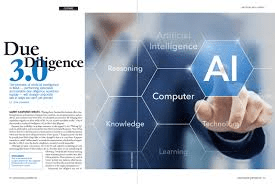
Introduction to AI Research Solution for Due Diligence
Understanding Due Diligence in Business
Due diligence refers to the comprehensive investigation and assessment of a business or investment opportunity to evaluate its financial, legal, operational, and strategic risks and opportunities. Traditionally, due diligence processes involve extensive data collection, analysis, and verification to ensure transparency, compliance, and informed decision-making in business transactions, mergers, acquisitions, and investments.
Role of AI in Transforming Due Diligence
AI research solution for due diligence leverages machine learning algorithms, natural language processing (NLP), and predictive analytics to automate data analysis, identify patterns, and extract actionable insights from vast datasets. By streamlining due diligence workflows, reducing manual efforts, and accelerating information processing, AI technologies empower organizations to enhance due diligence accuracy, efficiency, and decision-making capabilities in complex business environments.
Essential Features of AI Research Solution for Due Diligence
Advanced Data Analytics and Pattern Recognition
AI research solutions incorporate advanced data analytics capabilities, including statistical modeling, anomaly detection, and trend analysis, to identify patterns, detect outliers, and uncover hidden insights from structured and unstructured datasets. By leveraging machine learning algorithms, these solutions automate data extraction, validate information accuracy, and facilitate predictive modeling to support informed decision-making in due diligence processes.
Natural Language Processing (NLP) for Document Analysis
Natural Language Processing (NLP) technologies integrated into AI research solutions enable automated document analysis, semantic understanding, and sentiment analysis to extract relevant information, detect contractual terms, and assess legal risks in due diligence documents. By processing textual data, summarizing key findings, and generating actionable insights, NLP enhances document review efficiency, accelerates due diligence timelines, and ensures compliance with regulatory requirements.
Predictive Risk Assessment and Scenario Modeling
AI research solutions facilitate predictive risk assessment and scenario modeling by analyzing historical data, simulating risk scenarios, and forecasting potential outcomes to evaluate business risks and opportunities comprehensively. By applying machine learning algorithms, predictive analytics, and risk scoring models, these solutions quantify risk exposure, optimize risk management strategies, and inform strategic decision-making in due diligence evaluations and investment assessments.
Implementation of AI Research Solution for Due Diligence
Automated Data Collection and Integration
AI research solutions automate data collection processes from diverse sources, including financial databases, regulatory filings, market reports, and social media platforms, to aggregate comprehensive datasets for due diligence analysis. By integrating API interfaces, data connectors, and web scraping technologies, these solutions ensure real-time data synchronization, enhance data completeness, and support cross-functional collaboration in due diligence investigations.
Cognitive Automation and Workflow Orchestration
Cognitive automation capabilities embedded in AI research solutions streamline workflow orchestration, task prioritization, and decision support functions to optimize due diligence operations. By automating routine tasks, generating personalized recommendations, and facilitating decision-making workflows, cognitive automation enhances operational efficiency, reduces turnaround times, and empowers due diligence teams to focus on strategic analysis and value-added activities.
Explainable AI and Transparency in Decision-Making
Explainable AI techniques employed in AI research solutions provide transparency into algorithmic decision-making processes, model interpretations, and predictive outcomes to enhance trust, accountability, and regulatory compliance in due diligence assessments. By generating interpretable insights, visualizing data patterns, and documenting audit trails, explainable AI promotes informed decision-making, mitigates bias risks, and ensures compliance with due diligence standards and regulatory guidelines.
Benefits of AI Research Solution for Due Diligence
Enhanced Due Diligence Accuracy and Compliance
AI research solutions enhance due diligence accuracy by minimizing human errors, standardizing evaluation criteria, and improving data quality through automated validation and verification processes. By applying AI-driven analytics, anomaly detection, and regulatory compliance checks, these solutions facilitate thorough risk assessments, ensure due diligence integrity, and support regulatory compliance in complex business transactions and regulatory environments.
Accelerated Due Diligence Timelines and Cost Efficiency
AI research solutions accelerate due diligence timelines by automating repetitive tasks, expediting information retrieval, and optimizing resource allocation across due diligence projects. By reducing manual efforts, enhancing operational scalability, and leveraging cloud-based computing resources, these solutions lower due diligence costs, improve cost efficiency, and enable organizations to manage larger transaction volumes and strategic initiatives effectively.
Strategic Decision Support and Competitive Advantage
AI research solutions provide strategic decision support by synthesizing vast datasets, generating predictive insights, and identifying strategic opportunities for business growth and market expansion. By facilitating evidence-based decision-making, scenario analysis, and competitive benchmarking, these solutions empower organizations to gain competitive advantage, capitalize on emerging market trends, and optimize investment strategies in dynamic business environments.
Future Trends in AI Research Solution for Due Diligence
Advancements in AI Technologies and Innovations
AI research solutions will evolve with advancements in AI technologies, including federated learning, self-supervised learning, and AI-driven automation, to enhance scalability, interoperability, and regulatory compliance in due diligence processes. These advancements enable organizations to leverage AI-driven insights, automate complex workflows, and adapt to evolving regulatory requirements and market dynamics in global business operations.
AI-Powered Cognitive Assistants and Virtual Analysts
AI-powered cognitive assistants and virtual analysts will augment due diligence teams by automating data analysis, generating predictive models, and providing real-time insights to support decision-making in complex due diligence evaluations. By integrating conversational AI interfaces, cognitive reasoning capabilities, and collaborative tools, these virtual analysts enhance team productivity, facilitate knowledge sharing, and optimize decision support functions in due diligence assessments.
Ethical AI and Responsible Innovation
Adhering to ethical AI principles, promoting responsible innovation, and addressing biases in AI decision-making reinforce trust, ensure fairness, and uphold societal values in AI research solution development and deployment for due diligence. By embracing transparency in AI practices, accountability in algorithmic decisions, and ethical guidelines, organizations foster responsible use of AI technologies, mitigate potential risks, and promote sustainable due diligence practices in global business operations.
Conclusion
AI research solutions tailored for due diligence empower organizations to enhance accuracy, efficiency, and strategic decision-making in business transactions, investment assessments, and regulatory compliance. By leveraging advanced AI capabilities, including data analytics, natural language processing, and predictive modeling, these solutions optimize due diligence processes, mitigate risks, and drive business growth in competitive market environments.
In conclusion, the features of AI research solutions for due diligence are pivotal in transforming business operations, ensuring regulatory compliance, and facilitating informed decision-making in complex business transactions. As organizations continue to adopt AI-driven solutions, the potential for AI research solutions to revolutionize due diligence processes and strategic decision-making becomes increasingly apparent, paving the way for a future where AI-driven strategies redefine industry standards and accelerate business success.
-
Transforming Telecommunications: Key Features of Enterprise Generative AI Solutions
The telecommunications industry is experiencing a significant transformation driven by advancements in artificial intelligence (AI). Among these advancements, enterprise generative AI solutions stand out for their potential to revolutionize various aspects of telecommunications, from customer service to network management. In this article, we will delve into the key features of enterprise generative AI solution for telecommunications and how they are reshaping the telecommunications landscape.
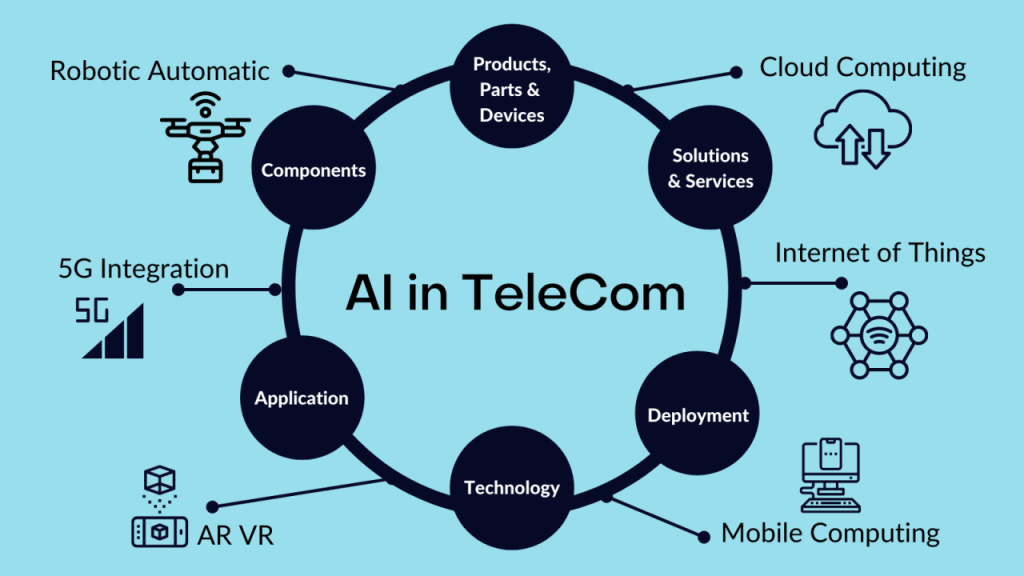
Understanding Generative AI Solutions for Telecommunications
What is Generative AI?
Generative AI is a branch of artificial intelligence focused on creating new content and solutions by learning from existing data. This includes generating text, images, and even predictive models that can be used in various applications. In the context of telecommunications, generative AI can be employed to enhance customer experiences, optimize network performance, and streamline operations.
Why Enterprise Generative AI?
Enterprise generative AI solutions are specifically designed to meet the complex needs of large organizations. These solutions offer scalability, robustness, and security, making them ideal for the telecommunications industry, which requires reliable and efficient systems to handle vast amounts of data and complex operations.
Key Features of Enterprise Generative AI Solutions for Telecommunications
Enhanced Customer Service
AI-Powered Chatbots
One of the most significant features of generative AI solution for telecommunications is the development of AI-powered chatbots. These chatbots can handle customer inquiries 24/7, providing instant responses and solutions. They are capable of understanding and processing natural language, which allows them to engage in meaningful conversations with customers, resolve issues, and escalate more complex problems to human agents.
Personalized Customer Interactions
Generative AI enables telecommunications companies to offer personalized customer interactions. By analyzing customer data, AI can generate personalized recommendations and solutions tailored to individual needs. This personalized approach enhances customer satisfaction and loyalty, as customers feel understood and valued.
Network Optimization and Management
Predictive Maintenance
Generative AI can predict network failures and maintenance needs before they occur. By analyzing historical data and identifying patterns, AI models can forecast potential issues and generate maintenance schedules. This predictive maintenance approach minimizes downtime and ensures the network operates smoothly.
Network Traffic Management
AI solutions can optimize network traffic by predicting usage patterns and adjusting resources accordingly. This ensures efficient use of network capacity, reduces congestion, and improves overall performance. Generative AI can also generate adaptive algorithms that respond to real-time changes in network demand.
Fraud Detection and Prevention
Real-Time Fraud Detection
Generative AI can enhance fraud detection by analyzing transaction patterns and identifying anomalies in real-time. AI models can generate alerts for suspicious activities, allowing telecommunications companies to act swiftly and prevent fraud. This feature is crucial for protecting both the company and its customers from financial losses.
Adaptive Security Measures
AI-driven solutions can create adaptive security protocols that evolve with emerging threats. By continuously learning from new data, generative AI can generate and implement security measures that address the latest vulnerabilities, ensuring robust protection for the network and its users.
Improved Operational Efficiency
Automated Process Generation
Generative AI can automate routine and repetitive tasks, freeing up human resources for more strategic activities. For instance, AI can generate automated workflows for tasks like billing, customer onboarding, and data entry. This automation reduces errors, speeds up processes, and lowers operational costs.
Resource Allocation
AI can optimize resource allocation by analyzing usage patterns and predicting future needs. This ensures that telecommunications companies allocate their resources efficiently, whether it’s bandwidth, manpower, or equipment. Generative AI can generate dynamic allocation models that adapt to changing conditions, maximizing efficiency.
Data Analysis and Insights
Customer Behavior Analysis
Generative AI can analyze vast amounts of customer data to provide insights into behavior and preferences. These insights help telecommunications companies tailor their services and marketing strategies to meet customer needs more effectively. By generating detailed customer profiles, AI enables more targeted and impactful interactions.
Predictive Analytics
Predictive analytics powered by generative AI can forecast trends and customer behavior. This feature allows telecommunications companies to anticipate market changes and customer demands, making proactive decisions that enhance competitiveness. AI-generated predictions can guide strategic planning and investment decisions.
Scalability and Integration
Scalable AI Models
Enterprise generative AI solutions are designed to scale with the needs of the organization. As telecommunications companies grow, their AI models can handle increased data loads and more complex operations without compromising performance. This scalability ensures that AI solutions remain effective and relevant over time.
Seamless Integration
Generative AI solutions can integrate seamlessly with existing systems and workflows. This integration capability allows telecommunications companies to enhance their operations without overhauling their infrastructure. AI solutions can work alongside legacy systems, providing incremental improvements that drive overall efficiency.
Enhanced User Experience
Intelligent Virtual Assistants
Intelligent virtual assistants powered by generative AI can provide a superior user experience. These assistants can handle a wide range of tasks, from answering questions to managing accounts, providing a convenient and efficient interface for customers. They can also learn from interactions, continuously improving their performance.
Personalized Content Delivery
Generative AI can create personalized content delivery systems that cater to individual user preferences. This includes tailored promotions, customized service plans, and personalized entertainment options. By delivering relevant content, telecommunications companies can enhance user satisfaction and engagement.
Real-World Applications
Case Study: Vodafone’s AI Chatbot
Vodafone, a leading telecommunications company, implemented an AI-powered chatbot named TOBi. This generative AI solution handles customer inquiries, assists with account management, and provides personalized recommendations. TOBi has significantly improved customer service efficiency and satisfaction.
Case Study: AT&T’s Network Optimization
AT&T uses generative AI to optimize its network operations. AI models predict network congestion and automatically adjust resources to ensure optimal performance. This approach has led to improved network reliability and reduced operational costs.
Case Study: Verizon’s Fraud Detection System
Verizon employs generative AI to detect and prevent fraud. AI models analyze transaction patterns and identify anomalies, generating real-time alerts for suspicious activities. This proactive approach has strengthened Verizon’s security measures and protected its customers from fraud.
Benefits of Enterprise Generative AI Solutions
Increased Efficiency
Generative AI automates routine tasks and optimizes processes, leading to increased efficiency. Telecommunications companies can handle more tasks with fewer resources, reducing operational costs and improving productivity.
Enhanced Customer Satisfaction
By providing personalized interactions and quick resolutions, generative AI enhances customer satisfaction. Customers enjoy a more engaging and responsive experience, fostering loyalty and trust.
Cost Savings
Automation and optimization lead to significant cost savings. Telecommunications companies can reduce labor costs, minimize downtime, and prevent fraud, leading to substantial financial benefits.
Competitive Advantage
Generative AI provides telecommunications companies with a competitive edge. By leveraging advanced AI capabilities, companies can offer superior services, respond to market changes more effectively, and attract more customers.
Challenges and Considerations
Quality Control
Ensuring the quality of AI-generated solutions is critical. Telecommunications companies must implement robust monitoring and evaluation processes to maintain high standards and ensure AI solutions meet their needs.
Ethical Concerns
The use of AI raises ethical considerations, particularly around data privacy and transparency. Telecommunications companies must adhere to ethical guidelines and ensure that their AI solutions are used responsibly.
Integration with Human Talent
Successfully integrating generative AI with human talent requires careful planning and collaboration. Companies must invest in training and development to ensure their teams can effectively use AI tools and maximize their potential.
The Future of Generative AI in Telecommunications
Advanced Personalization
Future advancements in generative AI will enable even more sophisticated personalization. AI models will deliver highly customized services and interactions, enhancing user satisfaction and loyalty.
Real-Time Adaptation
Generative AI will become more adept at real-time adaptation. This capability will allow telecommunications companies to respond instantly to changes in network conditions, customer behavior, and market trends.
Deeper AI-Human Collaboration
The future will see deeper collaboration between AI and human talent. AI will act as a strategic partner, providing insights and recommendations that enhance decision-making and innovation.
Conclusion
Enterprise generative AI solutions are transforming the telecommunications industry, offering powerful tools to enhance customer service, optimize network performance, and improve operational efficiency. By leveraging the key features of these AI platforms, telecommunications companies can deliver superior services, reduce costs, and maintain a competitive edge. As technology continues to evolve, the potential for generative AI in telecommunications is boundless, promising a future of innovation and excellence.
-
Transforming Media: Key Features of an Enterprise Gen AI Platform
The media industry is experiencing a profound transformation with the advent of generative AI platforms. These advanced systems have the potential to revolutionize content creation, audience engagement, and operational efficiency.

In this article, we will explore the key features of an enterprise gen AI platform for media and how they contribute to the industry’s evolution.
Understanding Gen AI Platform for Media
Generative AI leverages machine learning algorithms to create new data and solutions based on existing information. In the media industry, this technology can enhance various aspects of content production and distribution.
What is Generative AI?
Generative AI uses algorithms to generate new outputs from training data. Unlike traditional AI, which focuses on pattern recognition and classification, generative AI creates new possibilities, making it ideal for creative tasks in the media industry.
Importance in the Media Industry
The integration of generative AI into media processes offers numerous benefits:
- Creativity: Automated content generation and personalized storytelling.
- Efficiency: Streamlined production processes and reduced costs.
- Engagement: Enhanced audience interaction through personalized content.
- Insights: Data-driven decision-making and performance optimization.
Key Features of an Enterprise Generative AI Platform for Media
Automated Content Creation
Text Generation
Gen AI platform for media can produce written content, such as news articles, blog posts, and social media updates, based on predefined templates and data inputs. This speeds up content creation and ensures consistency.
Visual Content Generation
AI-driven platforms can create visual content, including graphics, videos, and animations. This includes generating realistic images and deepfake videos for various applications, from marketing to entertainment.
Audio Production
Generative AI can also produce audio content, such as voiceovers, podcasts, and music tracks. Text-to-speech technology enables the creation of natural-sounding voices for various media applications.
Personalization and Audience Engagement
Personalized Recommendations
AI algorithms analyze user behavior and preferences to provide personalized content recommendations. This enhances user experience and increases engagement by delivering relevant content.
Interactive Content
Generative AI can create interactive content, such as chatbots and virtual assistants, that engage users in real-time. These tools can provide personalized responses and support, improving user satisfaction.
Data-Driven Insights
Audience Analytics
Generative AI platforms can analyze audience data to provide insights into viewer preferences, behavior, and trends. This information helps media companies tailor their content and marketing strategies.
Performance Optimization
AI-driven analytics can optimize content performance by identifying what works and what doesn’t. This includes optimizing headlines, visuals, and publishing times to maximize reach and engagement.
Workflow Automation
Content Management
AI-powered content management systems streamline the organization, storage, and retrieval of media assets. This improves efficiency and reduces the time spent on administrative tasks.
Production Scheduling
Generative AI can automate production scheduling by analyzing project timelines, resource availability, and deadlines. This ensures projects stay on track and meet delivery goals.
Enhanced Creativity and Collaboration
Creative Assistance
AI tools can assist creative teams by providing suggestions, generating drafts, and automating repetitive tasks. This frees up time for more strategic and creative work.
Collaborative Platforms
Generative AI platforms often include collaborative features that enable teams to work together seamlessly. This includes real-time editing, version control, and communication tools.
Security and Compliance
Content Moderation
AI-driven content moderation tools can automatically detect and flag inappropriate or harmful content. This ensures compliance with platform policies and regulations.
Data Security
Robust security measures protect sensitive media data from cyber threats. This includes encryption, access controls, and regular security audits.
Implementing an Enterprise Generative AI Platform
Defining Objectives and Scope
Before implementing a generative AI platform, it’s essential to define the objectives and scope of the project. This involves identifying the specific areas of media production that will benefit from AI integration and setting realistic goals.
Building a Multidisciplinary Team
A successful implementation requires a multidisciplinary team, including data scientists, software engineers, media experts, and project managers. Collaboration between these experts ensures the platform meets technical and operational requirements.
Data Collection and Preparation
Collecting and preparing data is a critical step in developing a generative AI platform. This involves gathering data from various sources, cleaning and preprocessing it to ensure quality, and structuring it for analysis.
Developing and Training AI Models
Selecting and training the right AI models is crucial for the platform’s success. This involves choosing appropriate machine learning and deep learning algorithms, training them with historical and real-time data, and validating their performance.
Building the Platform Architecture
Designing a scalable and flexible platform architecture is essential for long-term success. This includes data storage, processing units, and user interfaces, all of which must be integrated seamlessly with existing systems.
Ensuring Security and Compliance
Implementing robust security measures and ensuring compliance with industry standards is vital. This protects data integrity and builds trust with stakeholders.
Testing and Deployment
Rigorous testing of the platform is necessary to identify and resolve any issues before deployment. This includes functional testing, performance testing, and user acceptance testing. Once tested, the platform can be deployed in the media environment, followed by continuous monitoring and optimization.
Real-World Applications of Generative AI in Media
News and Journalism
Generative AI can automate the creation of news articles, summarizing information from various sources and generating real-time reports. This speeds up the news production process and ensures timely delivery of information.
Marketing and Advertising
AI-driven platforms can create personalized marketing content, including advertisements, social media posts, and email campaigns. This enhances the effectiveness of marketing strategies by targeting specific audience segments.
Entertainment and Gaming
Generative AI can produce content for entertainment and gaming, such as scripts, storylines, and character designs. This accelerates the creative process and opens up new possibilities for interactive and immersive experiences.
Social Media Management
AI tools can automate social media management by generating posts, scheduling updates, and analyzing engagement metrics. This improves efficiency and allows media companies to maintain a consistent online presence.
Film and Video Production
Generative AI can assist in film and video production by creating special effects, enhancing visuals, and generating realistic animations. This reduces production costs and enhances the quality of the final product.
Conclusion
The integration of generative AI into media processes offers significant benefits, from automated content creation and personalized recommendations to enhanced audience engagement and data-driven insights. By leveraging the advanced features of an enterprise generative AI platform, media companies can drive innovation, improve efficiency, and maintain a competitive edge in the industry.
Developing and implementing such a platform requires careful planning, a multidisciplinary team, and a focus on data quality and security. As technology continues to evolve, generative AI will play an increasingly vital role in the media landscape, shaping the future of content creation and distribution.
-
Embracing Innovation: Recent Developments in Enterprise Gen AI Solution for Manufacturing
In the dynamic landscape of manufacturing, the integration of advanced technologies such as generative artificial intelligence (AI) is revolutionizing traditional practices and driving unprecedented efficiencies. This article explores the latest advancements and innovations in enterprise Gen AI Solution for Manufacturing, highlighting their transformative impact on modern manufacturing operations.

Introduction to Enterprise Generative AI Solutions
Understanding Gen AI Solution for Manufacturing
Generative AI leverages machine learning algorithms to generate new content, designs, or solutions based on input data and predefined parameters. In manufacturing, these AI-driven platforms analyze extensive datasets to optimize processes, predict outcomes, and automate decision-making throughout the production lifecycle.
Importance of Generative AI in Modern Manufacturing
Gen AI Solution for Manufacturing empowers manufacturers to enhance productivity, improve product quality, and innovate rapidly in response to evolving market demands. By harnessing AI-driven insights and automation, manufacturers can achieve operational excellence, drive sustainable growth, and maintain competitive advantage in a global marketplace.
Recent Developments in Enterprise Generative AI Solutions
1. Advanced Predictive Maintenance Capabilities
AI-Powered Predictive Maintenance
Recent advancements in Gen AI Solution for Manufacturing have enhanced predictive maintenance capabilities by integrating sophisticated algorithms that analyze real-time sensor data. These AI systems predict equipment failures, optimize maintenance schedules, and minimize downtime, thereby improving overall equipment effectiveness (OEE) and reducing operational costs.
Proactive Equipment Health Monitoring
Generative AI platforms now offer proactive equipment health monitoring through continuous analysis of machine performance metrics. By detecting early signs of equipment degradation or anomalies, manufacturers can preemptively address issues before they escalate, ensuring uninterrupted production and maximizing asset lifespan.
2. AI-Driven Quality Control and Assurance
Real-Time Quality Monitoring
AI-driven quality control systems monitor production processes in real-time, leveraging computer vision and machine learning to detect defects with high accuracy. These systems ensure consistent product quality by identifying deviations from quality standards and triggering immediate corrective actions, minimizing waste and enhancing customer satisfaction.
Automated Visual Inspection
Recent developments in generative AI have led to advancements in automated visual inspection technologies. AI-powered inspection systems analyze product images or videos for defects, anomalies, or irregularities, enabling manufacturers to achieve higher inspection accuracy, faster throughput, and reduced labor costs compared to manual inspection methods.
3. Optimized Supply Chain Management
AI-Driven Demand Forecasting
Generative AI solutions optimize supply chain management through advanced demand forecasting capabilities. By analyzing historical data, market trends, and external factors, AI systems predict future demand with greater accuracy, enabling manufacturers to optimize inventory levels, reduce stockouts, and enhance supply chain resilience.
Agile Manufacturing and Just-in-Time Production
AI facilitates agile manufacturing processes by enabling real-time adjustments to production schedules and resource allocation based on demand fluctuations. Generative AI platforms support just-in-time (JIT) manufacturing strategies, ensuring efficient use of resources and reducing lead times to meet dynamic market demands effectively.
4. Enhanced Design and Innovation
AI-Driven Design Optimization
Recent developments in AI-driven design optimization enable manufacturers to create innovative product designs that meet performance criteria and manufacturing constraints. Generative AI platforms generate multiple design iterations, evaluate each variant against specified parameters, and recommend optimal designs that balance functionality, cost-effectiveness, and manufacturability.
Simulation and Virtual Prototyping
Generative AI facilitates virtual prototyping and simulation, allowing manufacturers to visualize, test, and validate product designs in a digital environment. These simulations simulate real-world scenarios, identify potential design flaws early in the development process, and optimize product performance before physical prototyping, reducing time-to-market and development costs.
Strategic Implications and Considerations
1. Data Privacy and Security
Ensuring data privacy and security remains paramount in the adoption of generative AI solutions for manufacturing. Manufacturers must implement robust cybersecurity measures, encryption protocols, and access controls to protect sensitive manufacturing data from cyber threats and unauthorized access.
2. Integration with Existing Systems
Integrating generative AI platforms with existing manufacturing systems requires careful planning, interoperability testing, and seamless deployment strategies. Manufacturers should prioritize compatibility, scalability, and user acceptance to maximize the benefits of AI-driven technologies without disrupting ongoing operations.
3. Skills Development and Workforce Training
The successful adoption of generative AI in manufacturing necessitates workforce upskilling and training initiatives. Manufacturers should invest in developing employees’ AI literacy, technical competencies, and problem-solving skills to effectively leverage AI tools and drive continuous improvement in manufacturing operations.
Future Outlook for Enterprise Generative AI in Manufacturing
1. Industry 4.0 and Smart Manufacturing
Generative AI is poised to play a pivotal role in Industry 4.0 initiatives, driving smart manufacturing transformation and digitalization across the manufacturing value chain. AI-enabled automation, real-time data analytics, and cognitive computing will empower manufacturers to achieve agility, resilience, and sustainability in their operations.
2. Innovation and Competitive Differentiation
The future of enterprise generative AI solutions in manufacturing will focus on fostering innovation, accelerating product development cycles, and differentiating products in competitive markets. AI-driven insights, predictive capabilities, and adaptive manufacturing processes will enable manufacturers to respond swiftly to market changes and customer expectations.
Conclusion
The rapid evolution of enterprise generative AI solutions is reshaping manufacturing paradigms, offering unprecedented opportunities for operational optimization, product innovation, and sustainable growth. By embracing AI technologies, manufacturers can navigate complexities, capitalize on emerging trends, and lead the charge towards a smarter, more efficient future.
As generative AI continues to advance, its integration into manufacturing processes will drive continuous improvement, empower workforce capabilities, and unlock new possibilities for innovation and competitiveness. By staying at the forefront of AI innovation, manufacturers can leverage generative AI to achieve transformative outcomes and redefine industry standards in a rapidly evolving global marketplace.
-
Mastering Implementation: How to Implement Enterprise Gen AI Solution for Human Resources
Introduction
As organizations navigate the digital age, the integration of advanced technologies like Enterprise Generative AI (Gen AI) into Human Resources (HR) operations has become imperative. Implementing Gen AI solutions in HR can streamline processes, enhance decision-making, and optimize workforce management. This article serves as a comprehensive guide on how to effectively implement Enterprise Gen AI solutions in HR settings.

Understanding Enterprise Gen AI Solution for Human Resources
Enterprise Gen AI solutions leverage sophisticated AI technologies such as machine learning, natural language processing (NLP), and predictive analytics to automate tasks, analyze data, and improve HR functionalities. The Gen AI Solution for Human Resources is designed to handle complex HR processes efficiently, from recruitment and talent management to employee development and retention strategies.
Key Components of Enterprise Gen AI Solution for Human Resources
Successful implementation of Enterprise Gen AI solutions in HR typically involves integrating the following components:
- Machine Learning Models: Trained algorithms that analyze data patterns to predict outcomes, optimize workflows, and enhance decision-making in HR operations.
- Natural Language Processing (NLP): Enables systems to understand and generate human-like text, facilitating communication, feedback analysis, and content creation.
- Predictive Analytics: Utilizes historical and real-time data to forecast trends, identify risks, and recommend strategic HR initiatives.
Steps to Implement Enterprise Gen AI Solutions in HR
Implementing Enterprise Gen AI Solution for Human Resources requires careful planning, collaboration across departments, and a clear roadmap to ensure successful integration and adoption within the organization.
1. Assess Current HR Processes and Identify Pain Points
Before implementation, conduct a thorough assessment to:
- Evaluate Existing Systems: Review current HR technologies, processes, and data sources to identify areas where AI can add value and improve efficiency.
- Identify Pain Points: Determine specific HR challenges such as recruitment bottlenecks, employee retention issues, or inefficiencies in talent management that AI can address.
2. Set Clear Objectives and Goals
Define measurable objectives and goals for implementing Gen AI solutions in HR, such as:
- Enhancing Recruitment Efficiency: Reduce time-to-hire, improve candidate quality, and streamline the recruitment process.
- Optimizing Employee Development: Personalize learning and development programs, identify skill gaps, and improve training effectiveness.
- Boosting Employee Engagement: Enhance communication, feedback mechanisms, and employee experience through AI-driven solutions.
3. Select the Right Enterprise Gen AI Platform
Choose an Enterprise Gen AI platform that aligns with your organization’s needs, budget, and technical requirements. Consider factors such as:
- Scalability and Integration: Ensure the platform can integrate seamlessly with existing HR systems and scale operations as per organizational growth.
- Customization Capabilities: Evaluate whether the platform offers customization options to tailor AI solutions to specific HR processes and workflows.
- Vendor Reputation and Support: Research the vendor’s track record, customer reviews, and level of support offered to ensure a smooth implementation and ongoing maintenance.
4. Data Preparation and Integration
Prepare HR data for AI analysis by:
- Data Cleaning and Standardization: Ensure data quality and consistency across various HR datasets to improve the accuracy of AI-driven insights.
- Data Privacy and Security: Implement robust data protection measures to safeguard sensitive HR information and comply with regulatory requirements (e.g., GDPR, CCPA).
5. Pilot Testing and Evaluation
Conduct a pilot test of the Enterprise Gen AI solution to:
- Validate Performance: Assess the accuracy, effectiveness, and user-friendliness of AI algorithms and functionalities in real-world HR scenarios.
- Gather Feedback: Solicit feedback from HR professionals, stakeholders, and end-users to identify any issues, refine processes, and make necessary adjustments before full deployment.
6. Training and Change Management
Provide comprehensive training and support to HR teams and employees:
- Skill Development: Educate HR professionals on how to interpret AI-driven insights, leverage AI tools effectively, and integrate AI into daily workflows.
- Change Management: Address resistance to technological change by communicating the benefits of AI adoption, providing ongoing support, and fostering a culture of innovation and continuous learning.
7. Monitor Performance and Iterate
After deployment, continuously monitor the performance of the Enterprise Gen AI solution:
- Performance Metrics: Track key performance indicators (KPIs) such as recruitment efficiency, employee engagement scores, and ROI on AI investments.
- Iterative Improvements: Use feedback and performance data to iteratively improve AI models, refine processes, and optimize HR strategies over time.
Challenges and Considerations
Implementing Enterprise Gen AI solutions in HR comes with challenges that organizations must address proactively:
- Resource Allocation: Allocate sufficient resources, including budget, IT infrastructure, and skilled personnel, to support AI implementation and ongoing maintenance.
- Ethical Use of AI: Ensure AI algorithms are transparent, unbiased, and comply with ethical standards to mitigate potential risks of algorithmic bias in HR decision-making.
- Change Management: Manage organizational change effectively by addressing concerns, providing training, and fostering a collaborative culture around AI adoption in HR.
Future Outlook
The future of Enterprise Gen AI in HR holds immense potential for innovation and growth:
- Advancements in AI Technology: Continued developments in AI algorithms, predictive analytics, and natural language processing will further enhance the capabilities of Gen AI solutions in HR.
- Integration with Emerging Technologies: Integration with technologies like augmented reality (AR), virtual reality (VR), and blockchain may revolutionize HR practices, from remote onboarding to secure employee data management.
- Expansion of AI Applications: AI-driven HR solutions will extend beyond traditional functions to address new challenges such as diversity and inclusion, employee well-being, and adaptive workforce planning.
Conclusion
Implementing Enterprise Gen AI solutions in Human Resources represents a strategic opportunity for organizations to optimize HR processes, improve decision-making, and foster a more engaged and productive workforce. By following a systematic approach—from assessing current processes to selecting the right AI platform, preparing data, piloting, training, and monitoring performance—organizations can unlock the transformative power of AI to drive sustainable growth and competitive advantage in the digital era.
In conclusion, mastering the implementation of Enterprise Gen AI solutions in HR requires careful planning, proactive management of challenges, and a commitment to leveraging technology to enhance HR effectiveness and organizational success.
-
Transforming IT: The Power of Enterprise Generative AI Platforms
Generative AI is at the forefront of technological innovation, offering transformative potential across numerous industries. Enterprise Generative AI platforms, in particular, are revolutionizing information technology (IT) by driving efficiencies, enabling advanced analytics, and facilitating intelligent automation. In this article, we explore the capabilities, benefits, and future potential of these AI platforms within the realm of IT.

Understanding Enterprise Generative AI Platforms
What is Generative AI?
Generative AI refers to a class of artificial intelligence algorithms capable of creating new content, such as text, images, music, and more, by learning from existing data. Techniques like Generative Adversarial Networks (GANs) and Variational Autoencoders (VAEs) have been instrumental in advancing this field.
Key Components of Enterprise Generative AI Platform for Information Technology
Data Ingestion and Processing
Enterprise generative AI platform for information technology is equipped with robust mechanisms for ingesting and processing large volumes of data from diverse sources. This capability is crucial for training AI models and generating meaningful insights.
Advanced Algorithms
The generative AI platform for information technology leverages sophisticated algorithms to perform tasks such as natural language processing (NLP), computer vision, and predictive analytics. The use of deep learning techniques enhances the platform’s ability to generate accurate and high-quality outputs.
Integration and Interoperability
A key feature of enterprise AI platforms is their ability to seamlessly integrate with existing IT infrastructure and applications. This interoperability ensures that businesses can harness AI capabilities without extensive overhauls of their systems.
Capabilities of Generative AI in IT
Intelligent Automation
Streamlining IT Operations
Generative AI can automate routine IT tasks, such as system monitoring, incident response, and software updates, reducing the workload on IT staff and increasing operational efficiency.
Example: AI-driven automation tools can detect anomalies in IT systems in real-time, triggering automated responses to mitigate issues before they escalate.
Advanced Data Analytics
Enhancing Decision-Making
Generative AI platforms analyze vast amounts of data to provide actionable insights, supporting data-driven decision-making processes within organizations.
Example: AI-powered analytics can help businesses forecast market trends, optimize resource allocation, and improve strategic planning.
Personalized User Experiences
Customizing Interactions
Generative AI enables the creation of personalized user experiences by analyzing user behavior and preferences. This customization enhances user engagement and satisfaction.
Example: AI-driven chatbots can provide personalized customer support, tailoring responses based on individual user histories and preferences.
Security and Compliance
Strengthening Cybersecurity
Generative AI platforms play a crucial role in enhancing cybersecurity by detecting and responding to threats in real-time. AI models can identify patterns indicative of cyber-attacks, providing proactive defense mechanisms.
Example: AI systems can analyze network traffic to identify unusual activity, alerting IT teams to potential security breaches.
Ensuring Regulatory Compliance
AI platforms help organizations comply with regulatory requirements by automating compliance monitoring and reporting. This automation reduces the risk of non-compliance and associated penalties.
Example: Financial institutions can use AI to monitor transactions for suspicious activities, ensuring compliance with anti-money laundering (AML) regulations.
Benefits of Enterprise Generative AI Platforms
Increased Efficiency
Reducing Operational Costs
By automating repetitive tasks and optimizing processes, generative AI platforms significantly reduce operational costs. Businesses can achieve more with fewer resources, enhancing overall efficiency.
Example: Automated IT support systems can handle routine troubleshooting tasks, allowing human staff to focus on more complex issues, thus saving time and resources.
Enhanced Innovation
Fostering Creativity
Generative AI platforms can inspire innovation by generating new ideas and solutions that humans may not have considered. This capability is particularly valuable in fields such as product design and content creation.
Example: AI-driven design tools can create innovative product prototypes, accelerating the development cycle and bringing new products to market faster.
Scalability
Adapting to Business Needs
Enterprise AI platforms are designed to scale with the growth of the business. They can handle increasing data volumes and complex analytical tasks, ensuring that AI capabilities expand in line with business requirements.
Example: Cloud-based AI platforms can dynamically scale their processing power to meet the demands of large-scale data analysis projects.
Competitive Advantage
Gaining a Strategic Edge
Organizations that leverage generative AI gain a competitive edge by improving operational efficiency, enhancing customer experiences, and making more informed decisions. This strategic advantage is critical in today’s fast-paced business environment.
Example: E-commerce companies using AI for personalized recommendations can achieve higher sales and customer loyalty compared to competitors relying on traditional methods.
Case Studies: Real-World Applications
Healthcare
Improving Diagnostics
Generative AI is transforming healthcare by improving diagnostic accuracy. AI models analyze medical images and patient data to assist doctors in diagnosing diseases more accurately and quickly.
Example: AI platforms can detect early signs of diseases like cancer from medical imaging, enabling timely intervention and better patient outcomes.
Finance
Enhancing Fraud Detection
In the finance sector, generative AI enhances fraud detection by analyzing transaction patterns and identifying anomalies. This proactive approach helps financial institutions prevent fraud and protect customer assets.
Example: AI systems can flag suspicious transactions in real-time, allowing banks to take immediate action and prevent fraudulent activities.
Manufacturing
Optimizing Production
Generative AI optimizes production processes in manufacturing by predicting maintenance needs and improving quality control. This optimization leads to increased efficiency and reduced operational costs.
Example: AI-driven predictive maintenance can forecast equipment failures, allowing for timely repairs and minimizing downtime in production lines.
Retail
Personalizing Customer Experiences
Retailers use generative AI to personalize customer experiences, from product recommendations to targeted marketing campaigns. This personalization enhances customer engagement and drives sales.
Example: AI-powered recommendation engines suggest products based on individual customer preferences and browsing history, increasing conversion rates.
Future Prospects of Generative AI in IT
Continued Advancements in AI Technology
Emerging AI Models
The future will see continued advancements in AI technology, with the development of more sophisticated and capable models. These advancements will further enhance the capabilities of enterprise generative AI platforms.
Example: Future AI models may possess advanced reasoning abilities, enabling them to tackle more complex tasks and provide deeper insights.
Integration with Emerging Technologies
Synergy with IoT and Blockchain
The integration of generative AI with emerging technologies like the Internet of Things (IoT) and blockchain will create powerful synergistic effects. These combined technologies will enable smarter and more secure systems.
Example: AI and IoT integration can lead to intelligent smart cities that autonomously manage resources and optimize urban living conditions.
Ethical AI Development
Addressing Bias and Fairness
As generative AI becomes more prevalent, ensuring ethical AI development will be crucial. Efforts to address bias and fairness in AI models will be essential for maintaining trust and ensuring equitable outcomes.
Example: Developing transparent AI algorithms that can be audited for bias and implementing measures to mitigate unfairness will be critical for responsible AI deployment.
Challenges and Considerations
Data Privacy and Security
Ensuring Robust Data Protection
With the increasing reliance on data, ensuring robust data privacy and security is paramount. Organizations must implement stringent data protection measures to safeguard sensitive information.
Solution: Advanced encryption techniques, access control mechanisms, and compliance with data protection regulations are essential for maintaining data security.
Managing AI Complexity
Simplifying AI Integration
Integrating generative AI into existing IT systems can be complex. Simplifying this integration process is crucial for businesses to fully harness the benefits of AI.
Solution: Developing user-friendly AI platforms with intuitive interfaces and comprehensive support can facilitate smoother integration and adoption.
Addressing Skill Gaps
Investing in AI Training
To effectively implement and manage generative AI platforms, businesses must address skill gaps in their workforce. Investing in AI training and education is essential for building the necessary expertise.
Solution: Offering AI training programs, certifications, and continuous learning opportunities can help employees stay updated with the latest AI advancements and best practices.
Conclusion
The future of enterprise generative AI platforms in information technology is incredibly promising. These platforms are poised to revolutionize various industries by enhancing efficiency, fostering innovation, and providing advanced analytics capabilities. As AI technology continues to evolve, its integration with emerging technologies like IoT and blockchain will further amplify its impact.
However, addressing challenges related to data privacy, ethical AI development, and skill gaps is crucial for ensuring the responsible and effective deployment of generative AI. By investing in AI education, simplifying integration processes, and implementing robust data protection measures, businesses can fully harness the transformative potential of enterprise generative AI platforms.
As we move forward, staying informed about emerging trends and continuously adapting strategies will be key to maintaining a competitive edge in the rapidly evolving landscape of information technology. Embracing the power of generative AI will unlock new opportunities, drive growth, and shape a more innovative and efficient future for industries worldwide.
-
Shaping Tomorrow: The Future of Enterprise Generative AI Solutions in Information Technology
The rapid advancement of generative AI is transforming how industries operate, creating a landscape where intelligent systems drive innovation and efficiency. As enterprise generative AI solutions continue to evolve, their future in information technology holds immense potential for revolutionizing various sectors. This article explores the promising future of enterprise generative AI solution for information technology and the anticipated impact on different industries.

The Evolution of Generative AI
From Novelty to Necessity
Generative AI solution for information technology, initially seen as a technological novelty, has swiftly become a critical component of enterprise IT strategies. Early applications focused on content generation and simple automation, but advancements in machine learning and neural networks have expanded its capabilities significantly.
Key Technological Advances
- Enhanced Algorithms: Improvements in algorithms, such as the development of Transformer models and GANs, have boosted the performance and versatility of generative AI.
- Computational Power: The rise of powerful GPUs and TPUs has enabled more complex AI models to be trained and deployed effectively.
- Data Availability: The explosion of big data provides the rich datasets necessary for training sophisticated AI models.
Future Trends in Generative AI
AI-Driven Automation
Expanding Automation Capabilities
Generative AI will further enhance automation by taking over more complex and creative tasks. Beyond automating routine processes, AI will assist in areas such as content creation, product design, and decision-making.
Example: AI-driven content generation tools like OpenAI’s GPT series will create high-quality marketing copy, technical documentation, and even creative writing, reducing the workload for human creators.
Advanced Personalization
Hyper-Personalized Experiences
The future of generative AI lies in delivering hyper-personalized experiences. By analyzing vast amounts of data, AI can provide tailored recommendations, personalized content, and customized services to individual users.
Example: Streaming services like Netflix and Spotify will use generative AI to create personalized content playlists and recommendations, enhancing user engagement and satisfaction.
Predictive Analytics and Decision Support
Enhancing Predictive Capabilities
Generative AI will significantly enhance predictive analytics, allowing businesses to anticipate market trends, customer behavior, and operational risks with greater accuracy.
Example: Retailers will use generative AI to predict consumer demand, optimizing inventory levels and supply chain logistics to reduce costs and improve customer service.
Integration with Emerging Technologies
IoT and Generative AI
The integration of generative AI with the Internet of Things (IoT) will lead to the development of smart environments. AI-driven IoT systems will autonomously monitor, analyze, and optimize operations in real-time.
Example: Smart cities will leverage generative AI and IoT to manage resources efficiently, from energy distribution to traffic control, enhancing urban living.
Blockchain and AI Synergy
Combining generative AI with blockchain technology will enhance data security and transparency. AI algorithms can process and analyze blockchain data to provide insights while ensuring data integrity.
Example: In finance, the synergy of AI and blockchain will improve fraud detection and secure transaction processing, offering a robust solution to financial crimes.
Impact on Key Industries
Healthcare
Revolutionizing Diagnostics
Generative AI will revolutionize diagnostics by providing faster, more accurate, and personalized medical assessments. AI models will analyze medical data from various sources to offer comprehensive diagnostic solutions.
Example: AI-driven diagnostic tools will analyze patient histories, genetic information, and real-time health data to predict and diagnose diseases early, improving patient outcomes.
Personalized Treatment Plans
AI will enable the creation of personalized treatment plans based on individual patient data. This customization will lead to more effective treatments and reduced side effects.
Example: Oncology treatments will be tailored to each patient’s genetic profile, enhancing the efficacy of cancer therapies and reducing adverse reactions.
Finance
Transforming Risk Management
Generative AI will transform risk management by providing real-time analysis and predictive insights. Financial institutions will be able to identify and mitigate risks more effectively.
Example: Banks will use AI to analyze market trends, economic indicators, and customer data to forecast financial risks and adjust strategies proactively.
Enhancing Customer Service
AI-driven chatbots and virtual assistants will provide personalized and efficient customer service. These systems will handle routine inquiries, allowing human agents to focus on complex issues.
Example: AI-powered virtual assistants in banks will offer personalized financial advice, helping customers manage their finances more effectively and enhancing customer satisfaction.
Manufacturing
Optimizing Production Processes
Generative AI will optimize production processes by analyzing data from manufacturing operations. AI systems will identify inefficiencies and suggest improvements, leading to increased productivity and reduced waste.
Example: AI-driven systems will monitor production lines in real-time, predicting maintenance needs and adjusting workflows to optimize efficiency and minimize downtime.
Advanced Quality Control
AI will enhance quality control by identifying defects and inconsistencies in real-time. This will ensure high-quality products and reduce the cost of recalls and repairs.
Example: AI-powered inspection systems will use computer vision to detect defects in manufactured goods, ensuring only high-quality products reach the market.
Retail
Dynamic Pricing Strategies
Generative AI will enable retailers to implement dynamic pricing strategies by analyzing market trends, competitor pricing, and customer demand. This flexibility will maximize revenue and competitiveness.
Example: E-commerce platforms will use AI to adjust prices in real-time based on demand, inventory levels, and competitor actions, optimizing sales and profitability.
Enhanced Supply Chain Management
AI will improve supply chain management by predicting demand and optimizing logistics. This will reduce costs, prevent stockouts, and enhance customer satisfaction.
Example: Retailers will use AI to forecast demand accurately, ensuring optimal inventory levels and efficient delivery schedules, reducing operational costs and improving customer service.
Challenges and Considerations
Data Privacy and Security
Ensuring Robust Data Protection
As generative AI relies on vast amounts of data, ensuring data privacy and security is paramount. Businesses must implement robust data protection measures to maintain trust and comply with regulations.
Solution: Implement advanced encryption, access control, and anonymization techniques to safeguard sensitive information.
Ethical AI Use
Addressing Bias and Fairness
AI models can inherit biases from their training data, leading to unfair outcomes. Ensuring fairness and transparency in AI operations is crucial.
Solution: Use diverse and representative datasets, implement bias detection mechanisms, and conduct regular audits to ensure ethical AI use.
Managing Computational Costs
Optimizing Resource Use
Training and deploying generative AI models can be resource-intensive. Optimizing the use of computational resources is necessary to manage costs effectively.
Solution: Leverage cloud computing, specialized hardware like GPUs and TPUs, and optimize algorithms for efficiency to reduce computational costs.
Preparing for the Future
Investing in AI Education and Training
To harness the full potential of generative AI, businesses must invest in AI education and training for their workforce. This will ensure employees can effectively use and develop AI technologies.
Example: Companies should offer training programs and workshops on AI tools and techniques, enabling employees to stay updated with the latest advancements and applications.
Fostering Innovation and Collaboration
Encouraging innovation and collaboration within and across industries will drive the development and adoption of generative AI solutions. Businesses should foster a culture of experimentation and knowledge sharing.
Example: Establishing innovation labs and participating in industry consortia can facilitate collaboration and the sharing of best practices in AI development and deployment.
Staying Informed About Emerging Trends
Keeping abreast of emerging trends and technologies in AI is essential for maintaining a competitive edge. Businesses should monitor advancements and adapt their strategies accordingly.
Example: Regularly attending AI conferences, subscribing to industry publications, and engaging with AI research communities can help businesses stay informed and innovative.
Conclusion
The future of enterprise generative AI solutions in information technology is promising, with the potential to revolutionize industries by enhancing automation, personalization, predictive analytics, and integration with emerging technologies. As AI continues to evolve, its impact on healthcare, finance, manufacturing, and retail will become increasingly profound, driving innovation and efficiency.
However, realizing the full potential of generative AI requires addressing challenges related to data privacy, ethical use, and computational costs. By investing in AI education, fostering innovation, and staying informed about emerging trends, businesses can prepare for a future where generative AI solutions play a central role in their IT strategies.
Embracing these technologies will unlock new opportunities, drive growth, and create a more efficient and personalized future across industries. As generative AI continues to shape the landscape of information technology, its transformative power will redefine how businesses operate, compete, and thrive in the digital age.
-
Revolutionizing Real Estate: Enterprise Generative AI Solutions
The real estate industry, often perceived as traditional and slow-moving, is undergoing a significant transformation with the advent of enterprise generative AI solutions. These advanced technologies are reshaping how real estate professionals operate, offering new capabilities to streamline processes, enhance decision-making, and improve customer experiences. This article delves into the various aspects of enterprise generative AI solution for real estate, exploring their features, benefits, and the profound impact they are having on the industry.

Understanding Generative AI Solution for Real Estate
What is Generative AI?
Generative AI refers to a subset of artificial intelligence that focuses on creating new content, predictions, or solutions based on patterns learned from existing data. Utilizing sophisticated algorithms and neural networks, generative AI solution for real estate can simulate human-like creativity and reasoning, making it a powerful tool for various applications, including real estate.
Importance of AI in Real Estate
The real estate sector heavily relies on data for making informed decisions. Whether it’s predicting market trends, managing properties, or enhancing customer interactions, AI offers significant improvements in efficiency and accuracy. Enterprise generative AI solution for real estate takes these capabilities a step further by providing advanced tools that go beyond traditional AI applications.
Key Features of Enterprise Generative AI Solutions for Real Estate
Predictive Analytics and Market Forecasting
Data-Driven Insights
Predictive analytics powered by generative AI can analyze vast amounts of historical and current data to forecast future market trends. This includes property prices, rental rates, and demand patterns. By leveraging these insights, real estate professionals can make data-driven decisions that optimize investments and improve profitability.
Trend Identification
Generative AI solutions can identify emerging trends in the real estate market, providing early warnings about potential opportunities and risks. This allows investors and developers to stay ahead of the competition and adapt their strategies accordingly.
Automated Property Valuation
Accurate Valuation Models
Traditional property valuation methods often involve manual assessments that can be time-consuming and subject to human error. Generative AI can automate this process by creating accurate valuation models that consider a wide range of variables, including location, property features, and market conditions.
Real-Time Adjustments
AI-driven valuation models can adjust in real-time based on new data, ensuring that property valuations are always current and reflective of market dynamics. This is particularly useful in fast-moving markets where property values can change rapidly.
Enhanced Property Management
Predictive Maintenance
Generative AI can predict when maintenance issues are likely to occur by analyzing data from IoT sensors and historical maintenance records. This allows property managers to perform preventative maintenance, reducing downtime and repair costs.
Smart Building Management
AI solutions can optimize the management of smart buildings by controlling lighting, HVAC systems, and other utilities based on occupancy patterns and energy consumption data. This leads to significant energy savings and enhances tenant comfort.
Personalized Customer Experiences
Customized Property Recommendations
By analyzing a user’s preferences, search history, and demographic information, generative AI can provide personalized property recommendations. This improves the customer experience by presenting relevant options, reducing the time and effort required to find the ideal property.
Virtual Assistants and Chatbots
AI-powered virtual assistants and chatbots can handle customer inquiries 24/7, providing instant responses and assistance. These tools can answer questions about property details, schedule viewings, and guide customers through the application process, freeing up real estate agents to focus on more complex tasks.
Advanced Marketing and Sales
Targeted Marketing Campaigns
Generative AI can analyze customer data to create highly targeted marketing campaigns that reach the right audience with the right message. This includes personalized email campaigns, social media ads, and content marketing strategies that drive engagement and conversions.
Automated Content Creation
AI solutions can automate the creation of marketing content, including property descriptions, blog posts, and social media updates. This ensures consistency and accuracy across all marketing materials while reducing the workload for marketing teams.
Streamlined Transactions
Automated Document Generation
Real estate transactions involve a significant amount of paperwork. Generative AI can automate the creation of legal documents and contracts, ensuring that all necessary details are included and reducing the risk of errors. This speeds up the transaction process and ensures that documents are accurate and legally compliant.
Fraud Detection
AI systems can analyze transaction data to detect patterns indicative of fraud. By identifying suspicious activities in real-time, generative AI helps protect both buyers and sellers from fraudulent transactions. This includes detecting anomalies in payment patterns, verifying identities, and cross-referencing data across multiple sources.
Comprehensive Due Diligence
Risk Assessment
During the due diligence process, generative AI can analyze vast amounts of data to assess the risks associated with a property. This includes analyzing market trends, historical data, legal records, and environmental factors. AI-driven due diligence provides a comprehensive risk assessment, enabling more informed investment decisions.
Enhanced Compliance
AI can ensure compliance with legal and regulatory requirements by cross-referencing property details with local laws and regulations. This reduces the risk of legal issues and ensures that all transactions are compliant with relevant standards.
Investment Analysis
ROI Predictions
Generative AI can evaluate potential investment properties by analyzing factors such as location, market conditions, and historical performance. This provides investors with a detailed analysis of the potential return on investment (ROI) and associated risks. AI-driven investment analysis tools can compare multiple properties and recommend the best options based on the investor’s criteria.
Portfolio Management
AI solutions can help manage real estate portfolios by monitoring market conditions and property performance. This allows investors to make strategic decisions about buying, selling, or holding properties to maximize returns.
Design and Development Optimization
Site Selection
AI can analyze multiple factors, including demographic data, market trends, and geographic information, to identify optimal sites for new developments. This helps developers make data-driven decisions about where to invest and build.
Generative Design
Generative AI can assist architects and designers by generating multiple design options based on specified criteria. This includes optimizing floor plans, materials, and energy efficiency. AI-driven design tools can simulate different scenarios and provide insights into the best design choices for functionality, aesthetics, and sustainability.
Project Management
AI can streamline project management by predicting timelines, resource needs, and potential delays. This ensures that real estate development projects are completed on time and within budget.
Immersive Virtual Tours
Virtual Reality Integration
Generative AI can create immersive virtual tours that allow prospective buyers and renters to explore properties remotely. These tours can include interactive features, such as clickable hotspots that provide additional information, creating a more engaging and informative viewing experience.
Augmented Reality Enhancements
AI-driven augmented reality (AR) applications can enhance virtual tours by overlaying digital information on real-world views. This includes providing additional details about property features, local amenities, and neighborhood data, helping customers make more informed decisions.
Tenant Experience Management
Personalized Services
Generative AI can analyze tenant data to provide personalized services, such as customized lease agreements, tailored communication, and targeted amenities. This enhances tenant satisfaction and retention.
Predictive Analytics for Tenant Needs
AI can predict tenant needs and preferences by analyzing data from multiple sources, including feedback, service requests, and usage patterns. This allows property managers to proactively address tenant concerns and improve overall satisfaction.
Legal and Regulatory Compliance
Automated Compliance Monitoring
AI solutions can continuously monitor changes in legal and regulatory requirements, ensuring that properties and transactions remain compliant. This reduces the risk of legal issues and ensures that all operations adhere to relevant standards.
Risk Mitigation
Generative AI can identify potential legal and regulatory risks by analyzing property data and transaction details. This allows real estate professionals to take proactive measures to mitigate risks and ensure compliance.
Conclusion
The integration of generative AI solutions in real estate is transforming the industry, offering unprecedented capabilities that enhance efficiency, accuracy, and customer experiences. From predictive analytics and automated valuations to personalized customer interactions and advanced marketing strategies, the features of enterprise generative AI solutions are reshaping how real estate professionals operate. As technology continues to evolve, the future of real estate will be increasingly driven by the power of AI, paving the way for a more innovative, efficient, and customer-centric industry.
-
Applications of Enterprise Gen AI Solutions for Hospitality
The hospitality industry thrives on providing exceptional customer experiences, operational efficiency, and continuous innovation. Enterprise Generative AI (GenAI) solutions offer transformative potential in these areas, enabling businesses to enhance service quality, streamline processes, and stay ahead in a competitive market. This article explores the diverse applications of GenAI in the hospitality sector, highlighting how these advanced technologies can revolutionize the industry.

Introduction
In a rapidly evolving industry like hospitality, staying competitive requires embracing new technologies. Enterprise Gen AI solution for hospitality represent a significant leap forward, offering capabilities that go beyond traditional automation and data analysis. By leveraging GenAI, hospitality businesses can offer personalized experiences, optimize operations, and innovate in ways that were previously unimaginable.
Enhancing Guest Experiences
Personalized Recommendations
One of the most impactful applications of Gen AI solution for hospitality is the ability to provide personalized recommendations. By analyzing guests’ past behavior, preferences, and feedback, GenAI can suggest tailored activities, dining options, and experiences. This personalization not only enhances the guest experience but also increases the likelihood of repeat visits and positive reviews.
Virtual Concierge Services
GenAI-powered virtual concierges can assist guests with a wide range of services, from answering inquiries and making reservations to providing local area information and handling special requests. These AI-driven assistants are available 24/7, ensuring that guests receive timely and accurate assistance at any time of the day or night.
Customized Wellness Programs
Health and wellness are increasingly important to modern travelers. GenAI can create personalized wellness programs for guests, including tailored fitness routines, spa treatments, and dietary plans. These customized offerings can significantly enhance the guest experience, promoting relaxation and well-being during their stay.
Optimizing Operational Efficiency
Dynamic Pricing and Revenue Management
GenAI solutions can analyze market trends, competitor pricing, and historical booking data to optimize pricing strategies in real-time. This dynamic pricing capability helps hotels maximize revenue and occupancy rates by adjusting room rates based on demand and other influencing factors.
Predictive Maintenance
Predictive maintenance is another critical application of GenAI in hospitality. By monitoring equipment performance and analyzing historical data, GenAI can predict when maintenance is needed, preventing unexpected breakdowns and ensuring that facilities remain in top condition. This proactive approach reduces downtime and maintenance costs.
Streamlined Housekeeping and Inventory Management
GenAI can optimize housekeeping schedules and inventory management by predicting demand and identifying peak times. This ensures that housekeeping staff are deployed efficiently, and inventory levels are maintained appropriately, reducing waste and ensuring that guests always have access to necessary amenities.
Innovating Marketing and Customer Engagement
AI-Generated Content
Creating engaging marketing content is essential for attracting and retaining customers. GenAI can generate high-quality, relevant content for blogs, social media, and promotional materials. This not only saves time and resources but also ensures a consistent and compelling brand voice.
Visual and Video Content Creation
GenAI can produce realistic images and videos for marketing purposes, such as virtual tours of hotel properties and event spaces. These immersive visuals help potential guests make informed decisions and can significantly enhance marketing campaigns.
Targeted Promotions
By analyzing customer data, GenAI can develop personalized promotions and offers tailored to individual preferences and booking behaviors. This targeted approach increases the effectiveness of marketing efforts, driving higher conversion rates and boosting guest loyalty.
Enhancing Data-Driven Decision Making
Guest Feedback Analysis
GenAI can process and analyze guest feedback from various sources, such as online reviews and surveys, to identify trends and areas for improvement. This data-driven approach helps businesses understand guest sentiments and make informed decisions to enhance service quality.
Market Trend Predictions
By analyzing vast amounts of data, GenAI can predict market trends and emerging customer preferences. This foresight allows hospitality businesses to adapt their strategies proactively, staying ahead of the competition and meeting evolving customer demands.
Operational Analytics
GenAI solutions provide deep insights into various operational aspects, from resource utilization to staff performance. These analytics enable managers to make data-driven decisions that improve efficiency, reduce costs, and enhance overall operational effectiveness.
Revolutionizing Customer Service
Automated Customer Support
GenAI-powered chatbots and virtual assistants can handle a wide range of customer service tasks, from answering common inquiries to resolving issues and processing bookings. This automation ensures that guests receive prompt and accurate responses, freeing up human staff to focus on more complex and personalized interactions.
Real-Time Language Translation
In a global industry like hospitality, language barriers can be a significant challenge. GenAI can provide real-time language translation services, enabling seamless communication between guests and staff, regardless of language differences. This capability enhances the guest experience and expands the potential customer base.
Sentiment Analysis
GenAI can perform sentiment analysis on customer interactions, identifying emotions and sentiments expressed by guests in real time. This allows staff to address issues proactively and ensure that guests have a positive experience throughout their stay.
Facilitating Event Planning and Management
Customized Event Planning
Organizing events, whether corporate conferences or weddings, requires meticulous planning and attention to detail. GenAI can assist in planning and managing events by providing tailored recommendations, coordinating logistics, and ensuring that all aspects of the event meet the client’s expectations.
Real-Time Event Monitoring
During events, GenAI can monitor various parameters in real-time, from attendee satisfaction to resource utilization. This real-time monitoring allows event planners to make adjustments on the fly, ensuring that events run smoothly and meet or exceed expectations.
Post-Event Analysis
After an event, GenAI can analyze feedback and performance metrics to provide insights into what worked well and what could be improved. This post-event analysis helps businesses refine their event planning processes and deliver even better experiences in the future.
Addressing Challenges and Considerations
Data Privacy and Security
Handling sensitive guest data requires strict adherence to data privacy regulations. Hospitality businesses must implement robust security measures to protect data and ensure compliance with laws such as GDPR and CCPA. Transparency about data usage and security practices is essential for building trust with guests.
Integration with Existing Systems
Integrating GenAI solutions with existing hospitality management systems can be complex. Ensuring seamless implementation and interoperability is crucial for the success of AI initiatives. This may require collaboration with technology partners and investment in integration tools.
Ethical Considerations
The use of AI raises ethical questions, particularly around privacy and bias. Hospitality businesses must ensure that their AI solutions are designed and used responsibly, with measures in place to prevent bias and protect guest privacy. Transparency in AI decision-making processes is crucial for maintaining guest trust.
Future Prospects of GenAI in Hospitality
Continued Technological Advancements
As AI technology continues to evolve, GenAI will become even more sophisticated and capable. Future developments may include more advanced natural language processing, improved image and video generation, and enhanced predictive analytics.
Expanding AI Applications
The range of applications for GenAI in hospitality will expand, including areas such as sustainability, health and safety, and guest wellness. AI could help hotels optimize energy usage, ensure cleanliness standards, and provide personalized wellness programs.
Collaboration with Other Technologies
GenAI will increasingly collaborate with other emerging technologies like IoT, blockchain, and augmented reality. These integrations will create more comprehensive and innovative solutions for the hospitality industry.
Greater Accessibility for Small and Medium-Sized Enterprises
As AI technology becomes more affordable and user-friendly, smaller hotels and hospitality businesses will also be able to leverage GenAI. This democratization of AI will lead to industry-wide improvements in service quality and operational efficiency.
Conclusion
The integration of an Enterprise Generative AI Platform in the hospitality industry offers numerous benefits, from enhancing guest experiences and improving operational efficiency to driving innovation and growth. While there are challenges to address, the potential advantages make GenAI a valuable investment for hospitality businesses. As technology continues to advance, the future of hospitality looks promising, with endless possibilities for creating memorable and personalized guest experiences.
-
Recent Developments in Enterprise Generative AI Solutions for the Legal Industry
The legal industry, traditionally known for its reliance on human expertise and manual processes, is undergoing a significant transformation with the advent of generative AI solutions. These cutting-edge technologies are reshaping how legal professionals conduct research, draft documents, manage cases, and interact with clients. This article explores recent developments in enterprise gen AI solution for legal sector, highlighting the innovations, applications, and future prospects that are driving this evolution.

Introduction to Gen AI Solution for Legal
What is Generative AI?
Generative AI refers to artificial intelligence systems capable of creating new content, such as text, images, audio, and more, by learning from vast datasets. These Gen AI Solution for Legal systems use advanced machine learning techniques to understand patterns and generate outputs that mimic human-like creativity and intelligence.
Importance of Gen AI Solution for Legal Industry
In the legal sector, generative AI offers immense potential to enhance efficiency, accuracy, and productivity. By automating time-consuming tasks and providing intelligent insights, Gen AI Solution for Legal solutions empower legal professionals to focus on higher-value activities, such as strategic decision-making and client relationships.
Key Developments in Gen AI Solution for Legal
Enhanced Legal Research Capabilities
AI-Powered Legal Research Tools
Recent advancements in generative AI have led to the development of sophisticated legal research tools. These tools leverage natural language processing (NLP) and machine learning algorithms to analyze vast amounts of legal texts, case law, statutes, and regulations. AI-powered legal research platforms can quickly identify relevant precedents, extract key information, and provide comprehensive summaries, significantly reducing the time and effort required for manual research.
Predictive Analytics for Case Outcomes
Another significant development is the integration of predictive analytics into legal research tools. By analyzing historical case data and judicial behavior, AI systems can predict potential outcomes of current cases. This predictive capability enables legal professionals to develop more effective strategies, manage client expectations, and make informed decisions.
Automation of Legal Document Drafting
AI-Driven Contract Generation
Generative AI has revolutionized contract drafting by automating the creation of legal documents. AI systems can generate initial drafts based on predefined templates and legal standards, identify potential issues, and suggest revisions. This automation streamlines the contract creation process, ensures compliance, and reduces the risk of errors.
Intelligent Document Review and Analysis
AI-powered document review tools have significantly improved the efficiency of reviewing legal documents. These tools use NLP and machine learning to analyze contracts, agreements, and other legal texts, identifying critical clauses, inconsistencies, and potential risks. AI-driven document review enhances accuracy and allows legal professionals to focus on more complex aspects of their work.
Advanced Litigation Support
E-Discovery Innovations
E-discovery, the process of identifying and collecting electronic information for legal proceedings, has been greatly enhanced by generative AI. AI-driven e-discovery tools can efficiently sift through large datasets, categorizing relevant documents and extracting key information. This reduces the time and cost associated with the discovery phase and improves accuracy.
AI-Powered Litigation Assistants
Virtual litigation assistants, powered by generative AI, are becoming increasingly prevalent in the legal industry. These assistants provide real-time support during court proceedings, helping lawyers access relevant case law, track court rules, and generate persuasive arguments. By offering timely and accurate information, AI-powered litigation assistants enhance overall litigation strategy.
Improved Compliance and Risk Management
Real-Time Regulatory Monitoring
Generative AI systems can monitor regulatory changes in real-time, ensuring that organizations remain compliant with evolving legal standards. AI tools analyze updates, assess their impact, and recommend necessary adjustments to policies and procedures. This proactive approach to compliance helps organizations avoid potential legal pitfalls.
Automated Risk Assessment
AI-driven risk assessment tools analyze contracts, compliance requirements, and past legal cases to identify potential legal risks associated with business activities. These tools provide valuable insights that help organizations proactively address issues and mitigate risks. Automated risk assessment enhances decision-making and reduces the likelihood of legal disputes.
Enhanced Intellectual Property Management
Patent and Trademark Analysis
Recent developments in generative AI have led to improved tools for analyzing patent and trademark applications. AI systems can identify potential conflicts, assess the likelihood of approval, and provide strategic insights into intellectual property (IP) management. This helps organizations protect their IP and navigate the complex IP landscape.
AI-Driven IP Portfolio Management
AI solutions for IP portfolio management track the status of patents and trademarks, monitor renewal deadlines, and provide insights into IP utilization. By optimizing IP management, AI tools help organizations maximize the value of their intellectual property assets and ensure they make the most of their investments.
Streamlined Client Management and Communication
AI-Powered Chatbots for Client Interaction
Generative AI chatbots are transforming client interaction in the legal industry. These chatbots handle client inquiries, provide legal information, and assist with client intake processes. By offering timely and accurate responses, AI-powered chatbots improve client satisfaction and streamline client management.
Personalized Client Communication
AI systems can generate personalized communication for clients, such as updates on case progress, legal advice, and reminders for important deadlines. This enhances client engagement and helps build stronger client relationships. Personalized communication ensures that clients feel valued and informed throughout the legal process.
Case Studies: Implementing Generative AI in Legal Practices
Case Study 1: AI in Large Law Firms
Streamlining Research and Document Review
A major international law firm implemented an AI-powered legal research platform to streamline research and document review processes. The platform’s ability to quickly identify relevant case law and extract key information significantly reduced the time required for these tasks, allowing lawyers to focus on strategic activities.
Enhancing Litigation Strategy
The firm also integrated AI-driven litigation assistants into its practice. These virtual assistants provided real-time support during court proceedings, helping lawyers access relevant information and generate persuasive arguments. The result was improved litigation strategy and better outcomes for clients.
Case Study 2: AI in Corporate Legal Departments
Automating Contract Management
A multinational corporation deployed an AI-driven contract management system to automate contract drafting and review. The system’s ability to generate initial drafts, identify potential issues, and suggest revisions ensured compliance and reduced the risk of errors. This automation streamlined the contract management process and improved efficiency.
Proactive Compliance Monitoring
The corporation also implemented AI tools for real-time regulatory monitoring and risk assessment. These tools helped the organization remain compliant with evolving legal standards and proactively address potential legal risks. The result was enhanced compliance and reduced likelihood of legal disputes.
Benefits of Generative AI in Legal
Increased Efficiency and Productivity
Time Savings
Generative AI significantly reduces the time required for legal research, document review, and other routine tasks. This allows legal professionals to focus on higher-value activities, such as client interaction and strategic decision-making. By automating time-consuming tasks, AI enhances overall productivity.
Resource Optimization
By automating repetitive tasks, AI enables law firms and legal departments to optimize their resources, reducing the need for large teams of paralegals and support staff. This leads to cost savings and improved profitability. Resource optimization ensures that legal practices can deliver high-quality services more efficiently.
Enhanced Accuracy and Consistency
Reduced Human Error
AI systems minimize the risk of human error in legal research, document review, and other tasks, ensuring that outputs are accurate and reliable. By leveraging AI, legal professionals can improve the accuracy of their work and reduce the risk of costly mistakes.
Standardized Outputs
Generative AI ensures that legal documents and analyses adhere to consistent standards, reducing variability and enhancing the overall quality of legal services. Standardized outputs improve the reliability and credibility of legal documents, which is crucial for client trust and satisfaction.
Improved Access to Legal Resources
Democratizing Legal Services
Generative AI democratizes access to advanced legal research tools and services, making them available to smaller firms and individual practitioners. This levels the playing field and ensures that more legal professionals can access cutting-edge technology, regardless of their size or budget.
Bridging the Justice Gap
AI solutions can help bridge the justice gap by providing affordable and accessible legal services to underserved populations. By enhancing access to legal resources, AI promotes fairness and justice, ensuring that more people have access to legal assistance.
Challenges in Implementing Generative AI in Legal
Data Privacy and Security
Protecting Sensitive Information
Ensuring the privacy and security of sensitive legal information is a significant challenge. AI systems must comply with data protection regulations and implement robust security measures to prevent data breaches. Protecting sensitive information is crucial for maintaining client trust and avoiding legal liabilities.
Ethical Considerations
AI systems must address ethical considerations, such as bias and fairness. Ensuring that AI-generated insights are unbiased and transparent is crucial for maintaining trust in AI solutions. Addressing ethical considerations ensures that AI is used responsibly and ethically in the legal sector.
Integration with Existing Systems
Interoperability
Integrating AI solutions with existing legal research tools and systems is essential for their effective implementation. Future advancements will focus on improving interoperability, allowing AI platforms to work seamlessly with other software used by legal professionals. This will enhance the overall efficiency and effectiveness of AI solutions.
Scalable Infrastructure
Developing scalable infrastructure is essential for implementing AI solutions across large legal organizations. Cloud computing and other scalable technologies will enable AI platforms to handle vast amounts of data and provide real-time insights. Scalable infrastructure ensures that AI solutions can grow with the needs of legal practices.
Training and Acceptance
User Training
Comprehensive training programs are essential to help legal professionals understand and effectively use AI tools. These programs should focus on demonstrating the tangible benefits of AI and building trust in its capabilities. Effective training ensures that legal professionals can maximize the value of AI solutions.
Change Management
Successfully implementing AI solutions requires effective change management strategies. Legal firms and departments must address resistance to change and foster a culture that embraces innovation and continuous improvement. Change management ensures that AI solutions are integrated smoothly into legal practices.
Future Prospects of Generative AI in Legal
Next-Generation AI Models
Improved Accuracy and Capabilities
Ongoing advancements in AI technology will lead to the development of next-generation AI models with even greater accuracy and capabilities. These models will further enhance the efficiency and effectiveness of legal research, document review, and other tasks. Improved accuracy ensures that AI solutions continue to deliver high-quality outputs.
Expanding Applications
Generative AI will continue to expand its applications in the legal industry, addressing new challenges and opportunities. From improving access to legal services to enhancing compliance and risk management, AI will play a crucial role in shaping the future of legal practice. Expanding applications ensure that AI remains relevant and valuable in the legal sector.
Ethical and Responsible AI
Ensuring Fairness and Transparency
Future AI solutions will prioritize fairness, transparency, and accountability, addressing concerns about bias and ethical use. These principles will guide the development and implementation of AI in the legal industry. Ensuring fairness and transparency is crucial for maintaining trust in AI solutions.
Regulatory Frameworks
The legal industry will work towards establishing robust regulatory frameworks to govern the use of AI, ensuring that it benefits all stakeholders while minimizing risks. These frameworks will provide clear guidelines for the ethical and responsible use of AI. Regulatory frameworks ensure that AI is used responsibly and ethically.
Conclusion
The recent developments in enterprise generative AI solutions are revolutionizing the legal industry. By enhancing efficiency, accuracy, and access to legal resources, AI is transforming how legal professionals work and deliver services. While challenges exist, the potential benefits of generative AI in legal are significant, promising a future where legal practices are more efficient, effective, and accessible. As AI technology continues to evolve, its role in the legal industry will only grow, shaping the future of legal research, practice, and education.
-
Subscribe
Subscribed
Already have a WordPress.com account? Log in now.
 Tech Traffic