-
Strategic Integration of Intelligent Automation in Modern Financial Services
Financial institutions are navigating an era of unprecedented digital transformation, where data velocity and customer expectations are accelerating at breakneck speed. Traditional legacy systems, while reliable, often lack the agility required to process massive streams of transactional information in real time. As a result, banks and asset managers are turning to sophisticated AI-driven platforms to close operational gaps and unlock new revenue streams.

Deploying AI applications for banking and finance has become a decisive factor for firms seeking sustainable competitive advantage. By embedding machine‑learning models, natural‑language processors, and autonomous agents into core workflows, organizations can enhance risk assessment, streamline compliance, and deliver hyper‑personalized client experiences—all while reducing overhead costs.
Intelligent Risk Management and Fraud Prevention
Risk management has always been the cornerstone of financial stability, yet the complexity of modern threats demands more than static rule‑sets. Contemporary AI engines analyze billions of data points—including transaction histories, device fingerprints, and social media signals—to identify anomalous patterns within milliseconds. For instance, a leading European bank reduced false‑positive fraud alerts by 42 % after integrating a deep‑learning model that correlates transaction velocity with geolocation anomalies.
Beyond detection, predictive analytics enable institutions to forecast credit defaults with remarkable precision. By training gradient‑boosted trees on historical loan performance, macroeconomic indicators, and borrower behavior, lenders can achieve area‑under‑curve (AUC) scores exceeding 0.90, a substantial improvement over traditional logistic regression models that hover around 0.78. This predictive power translates into tighter provisioning, lower non‑performing loan ratios, and ultimately, a healthier balance sheet.
Regulatory Compliance and Automated Reporting
Compliance is a cost‑center that consumes up to 15 % of a bank’s operating budget, according to a 2023 industry survey. AI agents equipped with natural‑language understanding can ingest regulatory texts—such as Basel III, MiFID II, or AML directives—and automatically map them to internal policies. One global institution employed an AI‑driven compliance bot that generated 98 % of its quarterly regulatory filings without human intervention, cutting preparation time from weeks to hours.
Moreover, explainable AI (XAI) frameworks provide auditors with transparent decision trails, satisfying both internal governance and external regulator scrutiny. By attaching feature importance scores to each flagged transaction, auditors can quickly validate whether an alert stems from legitimate risk factors or data noise, thereby reducing audit cycles by an average of 30 %.
Customer Experience Transformation through Conversational Agents
Today’s customers expect banking services to be as intuitive as ordering a ride‑share. Conversational AI agents, powered by large language models, deliver 24/7 support, resolve routine inquiries, and even execute transactions on behalf of users. A North American retail bank reported a 27 % increase in net promoter score (NPS) after deploying a multilingual chatbot that could handle complex queries such as loan eligibility calculations and investment portfolio rebalancing.
These agents also serve as front‑line data collectors, enriching the customer profile with real‑time sentiment analysis and intent detection. By feeding this enriched data back into recommendation engines, banks can propose tailored products—like a high‑yield savings account for a user expressing future travel plans—thereby driving cross‑sell ratios upward by 15 % year over year.
Operational Efficiency via Process Automation and AI‑Enabled Decision Engines
Back‑office processes—account opening, KYC verification, and settlement reconciliation—are traditionally labor‑intensive and error‑prone. Robotic Process Automation (RPA) combined with computer vision and OCR technologies can extract and validate data from scanned documents with accuracy rates above 96 %. In a case study, a regional bank reduced onboarding time from 10 days to under 24 hours, delivering a faster client onboarding experience and freeing staff to focus on higher‑value advisory roles.
AI‑driven decision engines further augment efficiency by orchestrating workflow routing based on risk scores, compliance thresholds, and business priorities. When a loan application exceeds a predefined risk tolerance, the system automatically escalates it to senior underwriters, while low‑risk cases are approved instantly. This dynamic routing has been shown to improve loan approval throughput by up to 35 % without compromising underwriting standards.
Strategic Implementation Roadmap and Governance Considerations
Successful adoption of intelligent automation requires a disciplined implementation framework. Organizations should begin with a data maturity assessment, ensuring that data pipelines are robust, well‑governed, and compliant with privacy regulations such as GDPR or CCPA. Next, pilot projects—preferably in low‑risk domains like internal expense auditing—allow teams to validate model performance and refine governance policies before scaling to mission‑critical functions.
Governance structures must incorporate cross‑functional committees that include risk officers, data scientists, and business line leaders. These committees oversee model lifecycle management, including continuous monitoring for drift, bias mitigation, and periodic recalibration. By embedding ethical AI guidelines and establishing clear accountability matrices, firms can mitigate reputational risk while fostering a culture of responsible innovation.
Finally, talent development is paramount. Upskilling existing staff with AI literacy programs and recruiting specialized roles—such as AI ethicists and model risk analysts—creates a sustainable pipeline of expertise. When combined with strategic partnerships with academic institutions or research labs, financial institutions can stay at the forefront of algorithmic advancements and translate cutting‑edge research into tangible business value.
-
Integrating AI-Driven Agents into Modern Banking: Strategies, Use Cases, and Implementation Roadmaps
In the past decade, competitive pressure, regulatory complexity, and ever‑increasing customer expectations have forced banks to rethink their operating models. Legacy core systems, manual underwriting processes, and siloed data repositories no longer suffice in an environment where speed and personalization are paramount. The strategic infusion of artificial intelligence provides a pathway to transform these entrenched practices into agile, data‑centric capabilities.

AI in banking and finance is rapidly moving beyond experimental pilots to become a core component of enterprise strategy, delivering measurable gains across risk management, customer engagement, and operational efficiency. Executives who ignore this shift risk falling behind peers that are already leveraging AI agents to automate routine tasks, detect fraud in real time, and deliver hyper‑personalized product recommendations.
Beyond cost savings, the real value of AI lies in its ability to augment human decision‑making with predictive insights that were previously unattainable. By integrating sophisticated models directly into transaction processing pipelines, banks can achieve faster loan approvals, more accurate credit scoring, and dynamic pricing that reflects real‑time market conditions.
Core Use Cases: From Fraud Detection to Wealth Management
Fraud detection remains one of the most compelling showcases for AI agents. Traditional rule‑based systems generate high false‑positive rates, leading to customer friction and wasted investigative resources. Machine‑learning classifiers, trained on billions of historical transactions, can identify anomalous patterns with sub‑second latency, flagging suspicious activity before it escalates.
Another high‑impact area is credit underwriting. Instead of relying solely on static credit bureau scores, AI models ingest alternative data—such as cash‑flow patterns, utility payments, and even social media sentiment—to construct a more nuanced risk profile. This approach expands credit access to underserved segments while maintaining portfolio quality.
In wealth management, AI agents act as digital advisors, analyzing a client’s portfolio, risk tolerance, and market outlook to generate tailored investment strategies. These agents can rebalance assets automatically, execute trades at optimal times, and provide transparent performance reporting, thereby enhancing client trust and retention.
Operational efficiency is further amplified through intelligent process automation. Routine tasks such as KYC verification, document extraction, and regulatory reporting can be delegated to AI‑powered bots, freeing staff to focus on higher‑value activities like relationship building and strategic planning.
Designing an AI Agent Architecture That Aligns With Enterprise Goals
A successful AI deployment begins with a modular architecture that separates data ingestion, model training, inference, and governance. Data pipelines must be capable of handling structured transaction logs as well as unstructured documents like loan applications and compliance filings. Leveraging a data lake with built‑in metadata tagging ensures that AI agents can locate and process the right information quickly.
Model training environments should support both supervised and unsupervised techniques, enabling teams to experiment with deep neural networks, gradient‑boosted trees, and clustering algorithms. Continuous integration pipelines automate the retraining process, incorporating fresh data to keep models up‑to‑date and reducing model drift.
Inference services must be deployed at scale, often through container orchestration platforms that provide low‑latency APIs for real‑time decision making. Edge‑compatible models can even operate within the bank’s own data centers to satisfy strict residency and latency requirements.
Governance layers are non‑negotiable. Model explainability tools, bias detection modules, and audit trails ensure compliance with regulations such as GDPR and the Basel III framework. By embedding these controls into the architecture, institutions maintain transparency while still benefiting from AI’s predictive power.
Implementation Considerations: From Pilot to Full‑Scale Rollout
Launching an AI initiative should follow a phased approach. Initial pilots focus on a narrow use case—such as transaction fraud scoring—where success metrics are clear and data availability is high. During this phase, cross‑functional teams comprising data scientists, risk officers, and IT engineers collaborate to validate model performance against legacy benchmarks.
Once the pilot demonstrates measurable improvements—e.g., a 30 % reduction in false positives—the solution can be scaled to additional product lines. Scaling requires robust data governance, standardized APIs, and a centralized model registry to manage version control across the enterprise.
Change management is equally critical. Employees must be trained to interpret AI‑generated alerts and to intervene when necessary. Clear escalation paths and responsibility matrices prevent over‑reliance on automation while fostering a culture of human‑AI partnership.
Finally, ongoing monitoring is essential. Performance dashboards track key indicators such as model latency, accuracy, and drift. Automated alerts trigger model retraining or rollback procedures, ensuring that the AI agents remain effective even as market conditions evolve.
Quantifiable Benefits and Real‑World Success Stories
Leading financial institutions that have embraced AI agents report a range of tangible outcomes. In one large retail bank, the deployment of an AI‑driven loan origination engine cut average processing time from five days to under one hour, while maintaining default rates below industry averages. This acceleration translated into a 12 % increase in loan volume within the first quarter post‑implementation.
Another case study involves a multinational investment firm that integrated AI advisors into its client portal. The advisors generated personalized asset allocation recommendations, resulting in a 22 % rise in advisory fee revenue and a 15 % improvement in client satisfaction scores, as measured by Net Promoter Score surveys.
On the risk side, a global payments processor implemented real‑time fraud detection models that reduced chargeback losses by 45 % within six months. The system’s ability to adapt to emerging fraud patterns through continuous learning eliminated the need for costly manual rule updates.
These examples illustrate that AI agents not only drive efficiency but also unlock new revenue streams, enhance risk mitigation, and deepen customer relationships—key pillars of sustainable competitive advantage in the banking sector.
Future Outlook: Scaling Intelligence Across the Financial Ecosystem
As regulatory frameworks evolve and data ecosystems become more interconnected, the role of AI agents will expand beyond isolated functions to become the nervous system of the entire financial institution. Emerging technologies such as federated learning will enable banks to collaborate on model training without exposing proprietary data, fostering industry‑wide improvements in credit assessment and fraud detection.
Moreover, the convergence of AI with distributed ledger technologies promises transparent, immutable audit trails for AI decisions, further strengthening compliance and trust. Banks that proactively invest in these convergent solutions will be positioned to offer next‑generation services—such as real‑time, AI‑curated investment products and instant, risk‑adjusted credit lines.
In summary, integrating AI agents into banking operations is no longer optional; it is a strategic imperative. By aligning architecture, governance, and talent with clear business objectives, financial institutions can harness the full power of AI to drive profitability, resilience, and customer loyalty for years to come.
-
Integrating Intelligent Agents into Modern Financial Services: A Strategic Blueprint for AI‑Enabled Banking
In the past decade, the competitive landscape of banking has shifted from a focus on branch expansion to a relentless pursuit of digital excellence. Customers now demand instant, personalized experiences that mirror the convenience of leading e‑commerce platforms. Traditional legacy systems, however, struggle to deliver the speed and insight required to meet these expectations, creating a widening gap between what banks can offer and what clients expect.

AI in banking and finance is no longer a futuristic concept; it is a current operational imperative that drives cost reduction, risk mitigation, and revenue growth across the enterprise. By embedding machine‑learning models and autonomous agents into core processes, institutions can transform data into actionable intelligence, delivering outcomes that were previously unattainable.
The strategic value of these technologies is amplified when they are orchestrated through a unified governance framework. This ensures that AI initiatives align with regulatory mandates, data‑privacy standards, and the broader business strategy, while also safeguarding against model drift and unintended bias.
Core Use Cases: From Transaction Monitoring to Customer Advisory
Intelligent agents can be categorized into three functional domains: operational efficiency, risk management, and revenue generation. In transaction monitoring, AI models analyze millions of daily payment records, flagging anomalous patterns that suggest fraud or money‑laundering activities. A leading European bank reduced false‑positive alerts by 42 % after deploying a deep‑learning detector that incorporated contextual data such as device fingerprinting and geolocation.
Credit underwriting is another high‑impact area. Traditional scorecards rely on static variables and manual adjustments, leading to lengthy approval cycles. By contrast, AI‑driven underwriting engines evaluate a broader set of signals—including alternative data like utility payments and social media sentiment—to produce real‑time risk scores. This approach has enabled lenders to increase approval rates for under‑served segments while maintaining default rates below industry averages.
On the revenue side, conversational AI agents act as virtual financial advisors, guiding clients through portfolio rebalancing, mortgage options, or retirement planning. These agents leverage natural‑language processing (NLP) to interpret nuanced queries and retrieve personalized recommendations from integrated analytics platforms. Early adopters report a 30 % lift in cross‑sell conversion when AI assistants handle the initial discovery phase before handing off to human relationship managers.
Designing an Enterprise‑Grade AI Agent Architecture
A robust AI agent framework must balance scalability, security, and interoperability. At the foundation lies a data lake that ingests structured and unstructured feeds—from transaction logs to call‑center transcripts—using secure APIs and event‑driven pipelines. On top of this lake, a model registry stores versioned machine‑learning artifacts, enabling reproducibility and auditability across development, testing, and production environments.
To operationalize agents, organizations adopt a micro‑services architecture where each service encapsulates a specific capability—such as fraud detection, credit scoring, or sentiment analysis. These services communicate via lightweight messaging protocols, allowing the system to scale horizontally under peak loads without compromising latency. Container orchestration platforms, combined with role‑based access controls, ensure that sensitive data remains protected while still being accessible to authorized AI workloads.
Integration with legacy core banking systems is achieved through standardized adapters that translate modern API calls into the proprietary protocols of older platforms. This decoupling strategy not only preserves existing investments but also accelerates time‑to‑value for new AI-driven functionalities.
Implementation Considerations: Governance, Talent, and Change Management
Successful deployment of AI agents requires more than technology; it demands a disciplined governance model. Institutions should establish an AI Center of Excellence (CoE) responsible for defining model validation standards, monitoring performance drift, and conducting ethical risk assessments. The CoE also acts as a liaison between data scientists, compliance officers, and business unit leaders, ensuring that every model is both technically sound and regulatorily compliant.
Talent acquisition remains a critical bottleneck. Banks must invest in upskilling programs that blend domain expertise with data‑science competencies. Cross‑functional teams—comprising quantitative analysts, software engineers, and product managers—are essential for translating business problems into solvable AI tasks and for maintaining the models throughout their lifecycle.
Change management cannot be overlooked. Front‑line staff need clear guidance on how AI agents augment, rather than replace, their roles. Pilot programs that involve employees in the design and testing phases foster ownership and reduce resistance. Transparent communication about performance metrics and impact on customer outcomes builds trust across the organization.
Measuring Impact: Key Performance Indicators and ROI
Quantifying the benefits of AI agents requires a balanced scorecard that captures operational, financial, and customer‑centric metrics. On the operational front, average handling time (AHT) for support tickets can be reduced by up to 40 % when AI triage bots resolve routine inquiries. In risk management, the reduction in false‑positive fraud alerts directly translates into lower investigation costs and improved customer satisfaction.
Financially, banks can track incremental revenue generated from AI‑enabled cross‑selling and upselling campaigns. For example, a North American retailer‑bank hybrid reported a 12 % increase in loan origination volume after deploying an AI-driven recommendation engine within its mobile app. Moreover, cost avoidance from early detection of credit deterioration can be measured against the baseline default rates, providing a clear picture of risk‑adjusted return on investment.
Customer experience metrics—such as Net Promoter Score (NPS) and digital adoption rates—serve as leading indicators of long‑term strategic success. Organizations that consistently deliver personalized, frictionless interactions through AI agents tend to see higher retention and deeper lifetime value.
Future Outlook: Autonomous Banking Ecosystems
The next evolution of AI in financial services will move beyond isolated agents toward fully autonomous banking ecosystems. In such a paradigm, smart contracts powered by distributed ledger technologies will execute transactions automatically once AI models verify compliance and risk criteria. This convergence promises near‑real‑time settlement, reduced settlement risk, and unprecedented transparency for regulators.
Emerging techniques like reinforcement learning will enable agents to continuously optimize pricing strategies, liquidity allocation, and capital deployment based on live market feedback. Coupled with explainable AI frameworks, these agents will provide audit trails that satisfy both internal governance and external regulatory scrutiny.
Institutions that invest today in scalable AI architectures, rigorous governance, and talent development will be positioned to lead this transformation, delivering superior value to shareholders, regulators, and—most importantly—customers.
-
Harnessing Artificial Intelligence to Re‑Engineer Modern Manufacturing
Traditional manufacturing has long relied on programmable logic controllers and deterministic scheduling algorithms to drive production lines. While these systems deliver high throughput, they lack the ability to adapt to fluctuations in demand, component quality, or equipment health. By integrating artificial intelligence, manufacturers can transform static processes into dynamic, self‑optimizing ecosystems. AI models analyze real‑time sensor data, predict equipment failures before they occur, and automatically re‑route workloads to maintain optimal output. This shift from reactive to proactive manufacturing reduces downtime by up to 30% and increases overall equipment effectiveness (OEE) by an average of 15% across pilot deployments.

A concrete illustration is the implementation of predictive maintenance in a European automotive parts supplier. Using supervised learning models trained on vibration and temperature logs, the system forecasted bearing wear with 92% accuracy. Maintenance teams intervened only when the model identified a high‑risk event, cutting unplanned stoppages from 4.5 hours per week to 1.2 hours. The cost savings from avoided scrap and overtime expenditures exceeded $2 million in the first year.
Scaling this approach requires data governance and a culture that values experimentation. Enterprises must invest in robust data pipelines that ingest high‑frequency machine telemetry, normalize units, and enrich signals with contextual metadata. Only then can deep learning models generate actionable insights that scale beyond isolated pilot projects.
2. Intelligent Quality Control: From Visual Inspection to Cognitive Defect Detection
Quality assurance has historically depended on human inspectors and static camera setups. AI empowers manufacturers to conduct continuous, high‑resolution defect detection across the entire production line. Convolutional neural networks (CNNs) process image feeds, identify anomalies such as cracks, misalignments, and surface contaminants, and flag them in real time. This capability eliminates the subjectivity inherent in human judgment and produces consistency that is hard to achieve manually.
Consider a semiconductor fabrication plant that adopted AI‑driven visual inspection. By integrating a CNN with edge computing hardware, the plant detected wafer defects at a 99.7% true‑positive rate, surpassing the human benchmark of 95%. The reduction in defective yield from 0.8% to 0.3% translated into an annual profit increase of $5.4 million, given the high premium on defect‑free wafers.
Beyond defect detection, AI can assess multiple quality dimensions simultaneously—chemical composition, dimensional tolerances, and surface roughness—by fusing data from spectrometers, laser scanners, and tactile sensors. The resulting multimodal models provide a holistic quality score, enabling manufacturers to adjust process parameters on the fly and eliminate the need for costly post‑process rework.
3. Demand Forecasting and Supply Chain Resilience Through AI Analytics
Manufacturers operate in an environment of volatile demand and constrained supply chains. AI-driven forecasting models ingest historical sales, macroeconomic indicators, social media sentiment, and weather patterns to predict demand with unprecedented accuracy. Unlike traditional time‑series approaches, machine learning algorithms capture nonlinear relationships and adapt to sudden market shifts, reducing forecast error rates from 12% to 4% in a leading consumer electronics manufacturer.
Armed with sharper forecasts, companies can align production schedules, inventory levels, and procurement strategies. For example, a textile producer used AI to optimize raw material orders, cutting excess inventory by 18% while maintaining a 99% fill rate. The reduced carrying costs and lower risk of obsolescence contributed to a 7% margin improvement.
Supply chain resilience also benefits from AI’s ability to simulate disruption scenarios. By creating digital twins of supply networks, enterprises can assess the impact of supplier failures, port congestion, or geopolitical tensions. The insights enable proactive contingency planning—such as diversifying suppliers or pre‑stocking critical components—thereby minimizing the ripple effect of global events.
4. Autonomous Robotics and Collaborative Human‑AI Workstations
Robotic automation has transformed assembly lines, yet most robots remain tethered to preprogrammed tasks. AI-infused robotics introduces autonomy through perception, decision making, and adaptive motion planning. Vision‑guided robots can identify parts, assess their orientation, and execute pick‑and‑place operations with tactile feedback, achieving cycle times that rival or surpass human workers.
In a precision aerospace component facility, the introduction of AI‑controlled collaborative robots reduced assembly time by 22% and improved component alignment accuracy from 0.15 mm to 0.05 mm. The robots continuously learn from operator corrections, thereby shortening the training period for new tasks to under two hours.
Human‑robot collaboration is further enhanced by AI‑driven ergonomics analysis. Sensors monitor worker posture, force exertion, and fatigue levels, feeding data into reinforcement learning models that adjust robot behavior to reduce physical strain. The result is a safer, more productive workplace where humans and robots complement each other’s strengths.
5. Energy Management and Sustainability via AI Optimization
Energy consumption accounts for a significant portion of manufacturing operating costs and environmental footprint. AI systems can optimize power usage by predicting energy demands, scheduling energy-intensive processes during off‑peak periods, and integrating renewable generation forecasts. In a large automotive assembly plant, an AI controller reduced peak demand by 12% and overall energy spend by 8%, equating to annual savings of $1.2 million.
Moreover, AI facilitates real‑time carbon monitoring. By correlating process parameters, material flows, and emissions data, companies can track carbon intensity per unit produced. This granular visibility enables targeted process improvements, such as substituting lower‑emission lubricants or optimizing conveyor speeds, thereby meeting regulatory targets and appealing to eco‑conscious customers.
Implementing AI for sustainability also involves establishing data pipelines that capture energy usage at the sub‑component level. Combining this data with AI models allows manufacturers to perform root‑cause analyses on energy spikes, identify equipment inefficiencies, and schedule maintenance proactively to prevent runaway consumption.
6. Integrating AI Ecosystems: Governance, Talent, and Strategic Roadmapping
Deploying AI at scale demands more than technology—it requires a cohesive governance framework. Enterprises must define clear data stewardship policies, establish cross‑functional AI steering committees, and adopt transparent model audit trails to ensure accountability. Without robust governance, even the most sophisticated models can produce biased or misleading outputs, jeopardizing compliance and stakeholder trust.
Talent acquisition is another critical pillar. AI initiatives thrive when data scientists, domain engineers, and process experts collaborate closely. Upskilling existing staff through targeted training in machine learning fundamentals, data engineering, and ethical AI practices can accelerate adoption while reducing reliance on external consultants.
Strategically, manufacturers should adopt an incremental roadmap: begin with high‑impact pilots such as predictive maintenance or quality inspection, validate ROI, and then expand to cross‑functional domains like supply chain and energy management. Continuous measurement of key performance indicators—OEE, defect rates, forecast accuracy, and energy savings—provides a feedback loop that sharpens future initiatives and sustains competitive advantage.
In summary, artificial intelligence is no longer a niche enhancement but a foundational pillar that transforms manufacturing from a series of linear processes into a cohesive, data‑driven ecosystem. By embracing AI across equipment health, quality control, demand forecasting, robotics, sustainability, and governance, enterprises can achieve higher efficiency, superior product quality, and resilient operations that withstand the uncertainties of the global market.
-
Accelerating Enterprise AI Solution Development
Most organizations today recognize the potential of artificial intelligence to transform their operations, but struggle with the practical implementation. The landscape is filled with potential AI applications, yet many companies find themselves unable to move beyond conceptual discussions to functional solutions. This gap between recognizing opportunities and delivering value represents one of the most significant challenges in enterprise AI adoption. Organizations need a structured approach that bridges the theoretical with the practical.

Executives across industries report overwhelming confidence in AI’s potential while simultaneously expressing frustration with the pace of implementation. Teams often possess fragmented knowledge about where AI could help but lack the systematic methodology to translate these insights into working solutions. The disconnect typically stems from inadequate frameworks for rapid experimentation, insufficient integration capabilities, or unclear pathways from validation to production deployment.
Strategic AI POC Creation
Effective AI POC creation begins with identifying high-value use cases that align with specific business objectives rather than pursuing technology for its own sake. The most successful organizations focus on problems where AI can deliver measurable impact within existing operational frameworks. This targeted approach ensures that resources are allocated to initiatives with clear business justification and potential for rapid implementation. A well-structured proof of concept should demonstrate how AI can solve specific business challenges while providing a foundation for enterprise-wide scaling.
The process of AI POC creation typically starts with cross-functional workshops that bring together business stakeholders, data scientists, and IT professionals to identify opportunities where AI can address critical pain points. For example, a retail organization might focus on demand forecasting to reduce inventory costs, while a manufacturing firm could prioritize predictive maintenance to minimize unplanned downtime. These targeted use cases provide concrete examples of how AI can deliver tangible business value within specific operational contexts.
Validation in Business Context
Validating AI solutions requires testing within the actual business environment where they will ultimately operate. This means moving beyond isolated laboratory conditions and evaluating performance using real enterprise data and existing workflows. The validation process should assess how the solution handles the complexities of live operations, including integration with legacy systems, adherence to established processes, and compatibility with organizational governance frameworks. This contextual validation ensures that the AI solution delivers value in practice, not just in theory.
During the validation phase, organizations must establish clear evaluation metrics that align with business objectives rather than purely technical measures. For instance, a customer service chatbot might be evaluated not just on its ability to understand natural language, but on its capacity to reduce average resolution time and improve customer satisfaction scores. Similarly, a fraud detection system should be measured by its impact on false positives and actual prevention rates, not merely its algorithmic accuracy. This business-centric validation approach ensures that AI solutions deliver meaningful value to the organization.
Building Robust AI Solutions
To build AI solutions that truly transform operations, organizations must prioritize integration with existing systems and processes. The most effective AI implementations seamlessly connect with enterprise data sources, follow established process logic, and fit into the systems that teams already use. This approach minimizes disruption and accelerates adoption by leveraging familiar interfaces and workflows. A comprehensive solution should support multiple deployment models, provide robust APIs for system integration, and offer flexible connectivity options to ensure compatibility across the enterprise ecosystem.
The architecture of successful AI solutions incorporates several key components that enable enterprise-grade deployment. These include data integration capabilities that can connect with hundreds of enterprise systems, regardless of whether they are cloud-based or on-premises. The solution should offer low-code orchestration tools that allow business users to customize workflows without requiring extensive technical expertise. Additionally, robust governance features such as monitoring, guardrails, and explainability mechanisms ensure that AI systems operate within defined boundaries and maintain compliance with organizational policies and regulatory requirements.
Implementation Considerations
Successful AI implementation requires careful attention to technical architecture, organizational change management, and ongoing maintenance. Organizations must establish clear governance frameworks that define ownership, responsibility, and decision-making processes for AI systems. Technical considerations include selecting appropriate deployment models, ensuring data quality and accessibility, and designing interfaces that align with user experience expectations. Organizational readiness involves training programs, change management strategies, and establishing clear channels for feedback and continuous improvement.
Implementation challenges often emerge from the intersection of technical requirements and organizational dynamics. For example, data teams may need to establish new data governance protocols to support AI initiatives, while business units must adapt processes to accommodate AI-driven insights. Change management becomes particularly crucial when AI systems automate previously manual tasks or alter decision-making workflows. Organizations that successfully navigate these challenges typically establish cross-functional AI steering committees, develop comprehensive communication strategies, and create structured feedback mechanisms to address concerns and ensure smooth adoption.
Measuring Success and Scaling Solutions
The true measure of AI success lies in its impact on predefined business metrics and KPIs. Organizations should establish clear evaluation frameworks that align AI performance with strategic objectives. This means moving beyond technical metrics like accuracy scores to focus on business outcomes such as increased efficiency, reduced costs, improved customer satisfaction, or new revenue streams. Once validated at the proof-of-concept stage, successful AI solutions can follow a clear path to production deployment, with appropriate scaling strategies to extend impact across the organization. Continuous monitoring and refinement ensure that AI solutions maintain performance and adapt to evolving business needs.
Scaling validated AI solutions requires a deliberate approach that considers both technical and organizational factors. Technically, organizations must ensure that the infrastructure can support increased workloads while maintaining performance and reliability. Organizationally, scaling involves standardizing implementation approaches, establishing centers of excellence, and developing internal expertise to support broader adoption. For example, a customer service AI that demonstrates success in one department might be scaled across the entire organization, requiring adjustments to account for different use cases, regional considerations, and specialized domain knowledge. This scaling process should be guided by clear metrics that track both technical performance and business impact.
-
The Strategic Integration of AI in Modern Cyber Defense
Organizations face an unprecedented surge in cyber threats, ranging from ransomware campaigns to sophisticated supply‑chain attacks. Traditional rule‑based defenses struggle to keep pace with the volume and velocity of malicious activity. Consequently, security leaders are turning to intelligent systems that can learn from data, adapt to evolving tactics, and augment human expertise. This shift marks a fundamental change in how enterprises protect their digital assets.

Today, enterprises are embedding AI in cybersecurity stacks to accelerate threat detection, reduce false positives, and free analysts for higher‑value work. By leveraging machine learning models that continuously ingest network telemetry, endpoint logs, and threat intelligence feeds, security operations centers can prioritize alerts with greater precision. The result is a more agile defense posture that reacts to incidents before they escalate into breaches.
Despite the promise, deploying intelligent security tools introduces new complexities. Security teams must contend with massive data pipelines, ensure model explainability, and guard against adversarial manipulation of AI outputs. Additionally, the shortage of professionals who understand both data science and security operations creates a bottleneck that can impede realization of full benefits.
When implemented thoughtfully, AI‑driven security delivers measurable advantages such as reduced mean time to detect (MTTD), lower mean time to respond (MTTR), and improved allocation of scarce analyst talent. Predictive capabilities enable organizations to anticipate attack patterns, while automation handles repetitive tasks like quarantine of compromised hosts or enrichment of alerts with contextual data. These outcomes collectively strengthen resilience against both known and zero‑day threats.
Successfully applying AI for cybersecurity demands a disciplined approach that aligns model development with business objectives, regulatory constraints, and existing security controls. Leaders must establish clear governance frameworks, invest in quality data labeling, and foster cross‑functional collaboration between data scientists, security engineers, and risk managers. Only then can AI become a force multiplier rather than a source of additional risk.
1. Core Use Cases: Threat Detection and Anomaly Identification
One of the most mature applications of intelligent security lies in detecting anomalous behavior across networks, endpoints, and cloud workloads. By training unsupervised models on baseline traffic patterns, organizations can flag deviations that may indicate credential misuse, lateral movement, or data exfiltration. Real‑world deployments have shown detection rates improving by up to 40% compared with signature‑only methods.
Supervised learning techniques further enhance detection by classifying known malware families and phishing attempts using features extracted from file hashes, URL structures, and email headers. When combined with threat intelligence feeds, these models can adapt to emerging campaigns within hours rather than days. Continuous retraining ensures that the classifier remains effective as adversaries evolve their tactics.
Anomaly detection also extends to user behavior analytics (UEBA), where models establish baselines for individual user actions such as login times, file access patterns, and privilege usage. Deviations from these baselines trigger alerts that prioritize insider threat investigations. Enterprises that have integrated UEBA report a significant reduction in false positives, allowing analysts to focus on genuine risks.
Implementation considerations include selecting appropriate feature sets, managing data latency, and ensuring model transparency. Security teams should adopt a layered approach where anomaly scores are combined with rule‑based checks to provide both breadth and depth in detection coverage.
2. Automated Incident Response and Orchestration
Beyond detection, AI enables automated response actions that can contain threats before human analysts intervene. Playbooks driven by machine learning can decide, based on alert severity and contextual data, whether to isolate an endpoint, block a malicious IP, or trigger a forensic collection. This reduces the window of exposure and limits potential damage.
Orchestration platforms integrate with security information and event management (SIEM) systems, endpoint detection and response (EDR) tools, and firewalls to execute actions across disparate technologies. For example, upon detecting a ransomware encryption pattern, an AI‑orchestrated workflow may automatically shut down affected servers, initiate backup restoration, and notify legal and compliance teams.
Metrics from early adopters indicate a 50% reduction in mean time to contain (MTTC) incidents when automation is employed for low‑ to medium‑severity alerts. Analysts are then freed to focus on complex investigations that require human judgment, such as attributing attacks to specific threat actors.
Key implementation steps involve defining clear escalation policies, testing automation in isolated environments, and maintaining audit trails for all automated actions. Organizations must also establish oversight mechanisms to prevent unintended disruptions caused by over‑aggressive response rules.
3. Vulnerability Management and Prioritization
Traditional vulnerability scanners produce long lists of flaws that overwhelm remediation teams. AI‑driven prioritization refines this list by predicting which vulnerabilities are most likely to be exploited in the organization’s specific environment. Factors such as asset criticality, threat intelligence, exploit availability, and historical attack patterns feed into a risk‑scoring model.
By focusing remediation efforts on high‑risk vulnerabilities, companies can achieve better security outcomes with limited patching resources. Case studies show that AI‑based prioritization can cut the number of required patches by up to 60% while maintaining or improving overall risk posture.
Integration with configuration management databases (CMDB) and asset inventories ensures that the model has accurate context about each system’s role, exposure level, and compensating controls. Continuous feedback loops update the model as new vulnerability data and threat intelligence become available.
Successful deployment requires robust data pipelines, regular model validation, and collaboration between vulnerability management, IT operations, and security teams. Transparency in how scores are derived helps build trust and facilitates stakeholder buy‑in.
4. Identity and Access Control Enhancements
Compromised credentials remain a leading cause of breaches, making identity‑centric security a prime target for AI innovation. Behavioral biometrics and adaptive authentication models analyze login dynamics, device fingerprints, and geographic patterns to assign risk scores to each access request. High‑risk attempts trigger step‑up authentication or session termination.
Entitlement management also benefits from AI by identifying excessive or dormant privileges that increase the attack surface. By analyzing role usage over time, the system can recommend least‑privilege adjustments and automate periodic access reviews. This proactive approach reduces the likelihood of privilege escalation attacks.
In cloud environments, AI monitors API call sequences to detect anomalous service‑to‑service interactions that may indicate credential abuse or misconfiguration. Alerts are correlated with identity data to provide a unified view of potential identity‑based threats.
Implementation challenges include ensuring privacy compliance, avoiding false lockouts that impact user productivity, and integrating with existing identity providers (IdPs). Organizations should adopt a phased rollout, beginning with monitoring mode before enforcing automated actions.
5. Predictive Analytics for Threat Intelligence
Moving beyond reactive detection, AI enables predictive analytics that forecast emerging threats based on global threat feeds, dark web chatter, and historical attack trends. Natural language processing (NLP) extracts indicators of compromise (IOCs) from unstructured sources such as forums, blogs, and social media, enriching the organization’s intelligence repository.
Time‑series models predict the likelihood of specific attack vectors targeting particular industries or geographies, allowing security leaders to allocate resources preemptively. For instance, a model might forecast an increase in supply‑chain attacks against software vendors in the next quarter, prompting enhanced code‑signing controls and third‑party risk assessments.
These predictive insights feed into strategic planning, informing decisions about technology investments, staffing, and incident response preparedness. By anticipating threats, organizations shift from a purely defensive stance to a more resilient, anticipatory posture.
To operationalize predictive analytics, firms must establish data governance standards, invest in NLP pipelines, and validate model forecasts against actual events. Collaboration with threat intelligence providers and participation in information sharing and analysis centers (ISACs) enhance the richness of the data ecosystem.
6. Implementation Roadmap: Governance, Data, and Skills
Adopting AI in cybersecurity is not a plug‑and‑play endeavor; it requires a structured roadmap that addresses governance, data quality, and talent development. The first step is establishing a cross‑functional steering committee that defines objectives, risk tolerance, and success metrics aligned with the enterprise’s overall security strategy.
Data preparation follows, involving the collection, normalization, and labeling of logs, network flows, endpoint events, and threat intelligence feeds. Ensuring data completeness and minimizing bias are critical to building reliable models. Organizations often invest in data lakes or specialized security data platforms to support scalable ingestion and storage.
Skill development focuses on upskilling existing security analysts in basic data science concepts while hiring or contracting data scientists with security domain knowledge. Joint training programs, certifications, and mentorship foster a shared language and improve collaboration between the two disciplines.
Finally, continuous monitoring and model maintenance close the loop. Regular performance reviews, drift detection, and retraining schedules ensure that AI models remain effective against evolving threats. By treating AI as an evolving capability rather than a one‑time project, enterprises can sustain long‑term security advantages.
-
Strategic Integration of AI in Modern Cybersecurity Frameworks
Enterprises today face an expanding threat landscape where attackers leverage automation, social engineering, and zero‑day exploits to bypass traditional defenses. The volume and sophistication of alerts overwhelm security operations centers, making manual analysis increasingly untenable. Consequently, organizations are seeking ways to augment human expertise with intelligent systems that can process data at scale. This shift is driving a reevaluation of security architectures to incorporate adaptive, learning‑based components.

The adoption of AI in cybersecurity enables real‑time correlation of disparate data streams, from network traffic logs to endpoint behavior, to surface anomalies that would otherwise remain hidden. By applying machine learning models to baseline normal activity, security teams can detect subtle deviations indicative of credential misuse, lateral movement, or data exfiltration. These capabilities reduce the mean time to detect (MTTD) and provide a foundation for more proactive defense postures.
Beyond detection, intelligent systems support contextual enrichment by linking alerts with threat intelligence feeds, vulnerability databases, and user identity information. This enriched view allows analysts to prioritize incidents based on potential impact and likelihood, focusing limited resources on the most critical risks. The result is a more efficient triage process that reduces alert fatigue and improves overall response quality.
Furthermore, AI for cybersecurity extends into predictive analytics, where models forecast emerging attack patterns by analyzing historical incident data and global threat trends. Such foresight empowers organizations to pre‑emptively adjust controls, patch vulnerable assets, and refine security policies before exploitation occurs. Predictive capabilities also inform investment decisions, guiding budgets toward areas with the highest risk reduction potential.
Threat Detection and Anomaly Identification
Modern detection engines rely on unsupervised learning to establish dynamic baselines of user and entity behavior across the enterprise. These models continuously ingest telemetry from firewalls, intrusion detection systems, and cloud workloads, adjusting to seasonal variations and business changes. When deviations exceed statistically significant thresholds, the system generates high‑fidelity alerts for further investigation.
Supervised classifiers complement unsupervised approaches by recognizing known malware signatures, phishing payloads, and command‑and‑control traffic patterns. Training datasets are regularly refreshed with the latest threat intelligence to maintain detection efficacy against evolving adversary techniques. Ensemble methods combine multiple model outputs to improve precision while minimizing false positives.
Anomaly detection is particularly effective in identifying insider threats, where privileged users exhibit atypical data access or unusual timing of activities. By correlating access logs with role‑based entitlements and historical patterns, the system can flag potential data exfiltration attempts before substantial damage occurs. Early detection enables timely intervention, such as session termination or mandatory re‑authentication.
To maximize detection value, organizations should integrate model outputs into a centralized security information and event management (SIEM) platform, ensuring that alerts are enriched with asset criticality scores and user risk ratings. This holistic view supports faster decision‑making and facilitates the creation of tailored response playbooks for different anomaly types.
Automated Incident Response and Remediation
Once a threat is identified, speed of containment is critical to limiting impact. AI‑driven orchestration platforms can automatically execute predefined response actions, such as isolating affected endpoints, blocking malicious IP addresses, or disabling compromised user accounts. These actions are triggered based on confidence scores and contextual risk assessments, reducing reliance on manual intervention.
Response automation leverages natural language processing to interpret unstructured data from threat reports, security blogs, and dark web chatter, translating insights into actionable rules. For example, if a new ransomware variant is reported, the system can update endpoint protection policies and network segmentation rules without human delay. This closed‑loop learning ensures defenses stay current with the threat environment.
Orchestration also facilitates coordinated responses across heterogeneous environments, including on‑premises data centers, public clouds, and remote worker devices. By applying consistent policies through APIs and webhooks, security teams achieve uniform enforcement regardless of asset location. This consistency eliminates coverage gaps that attackers often exploit.
Effective automation requires rigorous testing in staging environments to validate that automated actions do not disrupt legitimate business processes. Organizations should implement approval workflows for high‑impact actions, such as shutting down critical servers, while allowing low‑risk responses to proceed autonomously. Continuous monitoring of automation outcomes helps refine thresholds and improve overall reliability.
Vulnerability Management and Prioritization
Traditional vulnerability scanners generate extensive lists of weaknesses, many of which pose minimal risk given the specific context of an organization’s assets. AI enhances this process by analyzing exploitability, asset value, exposure, and threat intelligence to produce a risk‑based ranking. This prioritization enables security teams to focus remediation efforts on the vulnerabilities most likely to be leveraged in an attack.
Machine learning models can predict the likelihood of exploitation for a given CVE by examining historical exploit code, attacker behavior patterns, and the presence of relevant indicators in underground forums. These predictions are continuously updated as new data becomes available, providing a dynamic view of risk that static scoring systems lack.
Contextual factors such as network segmentation, compensating controls, and business criticality are fed into the model to adjust risk scores accordingly. For instance, a critical vulnerability on an isolated development server may receive a lower priority than a medium‑severity flaw on a public‑facing web application handling customer data. This nuanced approach optimizes resource allocation and reduces remediation fatigue.
To operationalize risk‑based vulnerability management, organizations should integrate AI‑driven scores into their ticketing and patch management workflows. Automated tickets can be generated for high‑priority items, complete with suggested remediation steps and estimated effort. Regular reporting on risk reduction metrics demonstrates the value of the AI‑enhanced approach to executive stakeholders.
Identity and Access Management Enhancements
Compromised credentials remain a leading cause of breaches, making robust identity verification essential. AI improves authentication by analyzing behavioral biometrics such as typing rhythm, mouse dynamics, and login location patterns to detect anomalies that may indicate credential theft. When risk scores exceed thresholds, the system can step up authentication requirements, such as prompting for multi‑factor authentication or initiating a secondary verification challenge.
Adaptive access controls leverage real‑time risk assessments to dynamically adjust user permissions based on contextual factors like device health, network trust level, and time of day. For example, a user accessing sensitive financial data from an unmanaged device during off‑hours may receive restricted view‑only privileges, reducing the potential damage from a compromised session.
Entitlement analysis benefits from AI by identifying excessive or dormant permissions that increase the attack surface. By comparing actual usage patterns against assigned roles, the system can recommend privilege reductions or role redesigns, aligning access with the principle of least privilege. Continuous entitlement hygiene reduces the likelihood of lateral movement following an initial breach.
Implementing AI‑enhanced IAM requires careful attention to privacy and regulatory compliance, particularly when processing biometric or behavioral data. Organizations should establish clear data governance policies, ensure transparent user consent where applicable, and adopt techniques such as differential privacy to protect individual identities while still deriving security insights.
Future Trends and Ethical Considerations
As AI models grow more sophisticated, the line between defensive and offensive capabilities blurs, prompting ongoing debate about the responsible use of autonomous security systems. Enterprises must establish governance frameworks that define permissible automation levels, ensure human oversight for critical decisions, and maintain audit trails for all AI‑driven actions. Transparency in model logic and data sources supports accountability and facilitates regulatory scrutiny.
Emerging techniques such as federated learning allow organizations to collaboratively train threat detection models without sharing raw sensitive data, preserving confidentiality while improving collective defense posture. Similarly, generative AI can simulate attack scenarios to test resilience, enabling red‑team exercises that are both scalable and realistic. These innovations promise to strengthen security while respecting data protection constraints.
Skill development remains a critical component; security professionals need to understand the fundamentals of machine learning, model validation, and bias mitigation to effectively oversee AI‑powered tools. Investing in continuous education and cross‑functional teams that blend data science expertise with domain knowledge ensures that AI implementations are aligned with business objectives and risk tolerance.
Ultimately, the successful integration of AI into cybersecurity hinges on balancing technological advancement with prudent risk management. By adopting a strategic, evidence‑based approach—grounded in clear objectives, rigorous testing, and ethical stewardship—organizations can harness AI’s potential to detect threats faster, respond more intelligently, and maintain a resilient security posture in an increasingly complex digital world.
-
Transforming Insurance with Generative Artificial Intelligence
Generative artificial intelligence refers to models that can synthesize new content, predictions, or scenarios based on learned patterns from vast datasets. In the insurance sector, these models excel at generating realistic claim narratives, simulating risk events, and producing personalized policy language. Unlike traditional rule‑based systems, generative AI adapts to evolving data inputs, enabling continuous improvement without manual reprogramming. This adaptability makes it a strategic asset for insurers seeking to enhance both operational efficiency and customer experience.
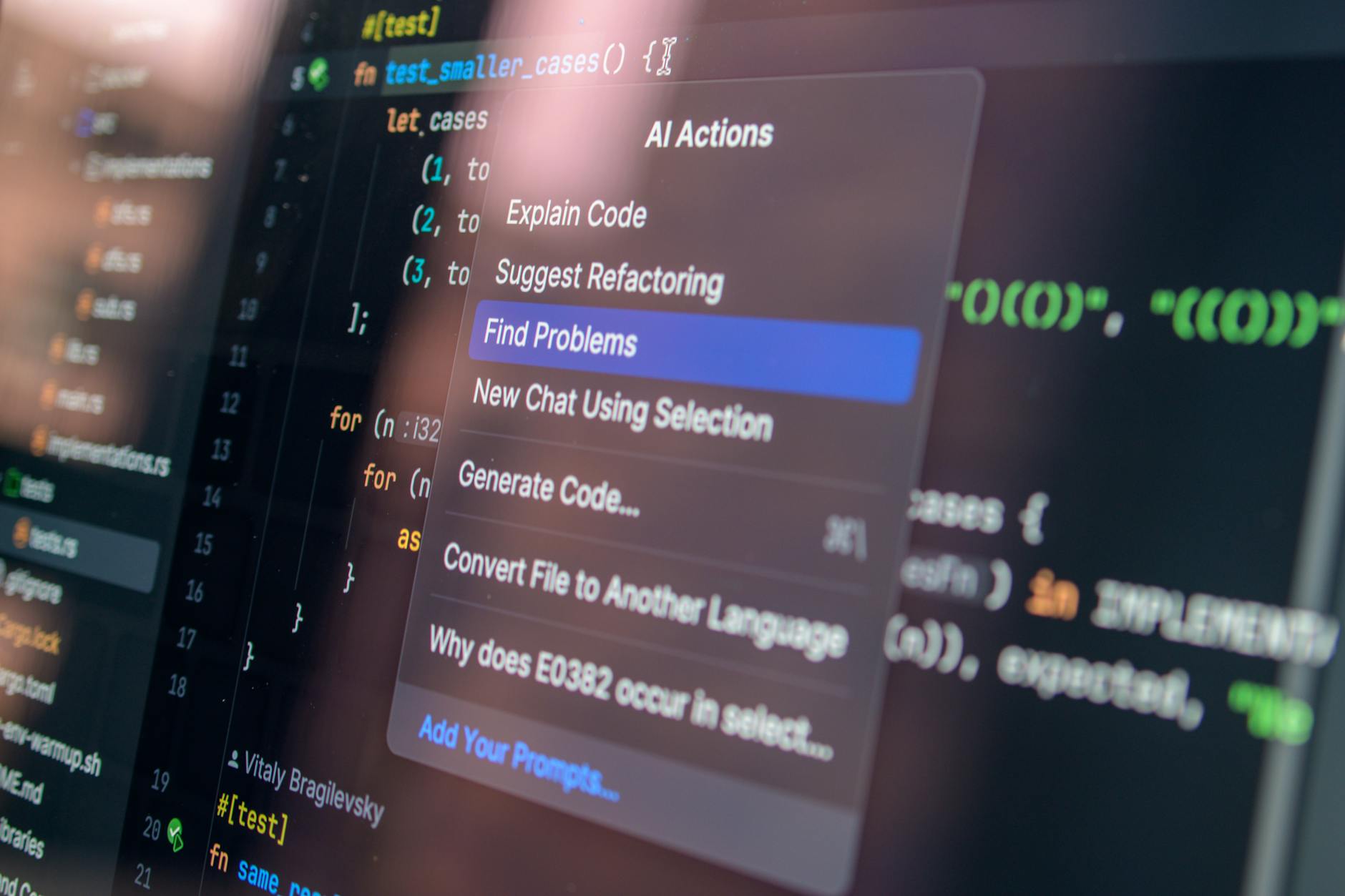
The technology leverages large language models, diffusion networks, and variational autoencoders to produce outputs that are statistically plausible and contextually relevant. By training on historical claims, underwriting decisions, and customer interactions, the models internalize industry‑specific nuances. Consequently, they can generate drafts that require minimal human editing, accelerating workflows that previously demanded extensive manual effort. The result is a reduction in cycle time and a measurable uplift in consistency across underwriting and claims functions.
Moreover, generative AI supports scenario planning by creating synthetic datasets that mirror rare but high‑impact events. Insurers can stress‑test portfolios against these synthetic extremes without exposing real‑world data to risk. This capability strengthens resilience planning and informs capital allocation decisions. As regulatory expectations around model transparency rise, the ability to trace generated outputs back to training data provides an added layer of auditability.
Use Case: Automated Claims Processing and Fraud Detection
In claims management, generative AI can automatically draft initial claim summaries by extracting pertinent details from photos, police reports, and policy documents. The model interprets unstructured inputs, such as adjuster notes or customer‑submitted narratives, and produces a structured summary that aligns with internal classification schemas. This automation reduces the time adjusters spend on data entry and allows them to focus on judgment‑intensive tasks like liability assessment.
Fraud detection benefits from the model’s ability to generate plausible fraudulent claim patterns based on historical fraud cases. By comparing incoming claims against these synthetic fraud profiles, the system flags anomalies that deviate from legitimate claim distributions. The generative approach captures subtle correlations that rule‑based filters often miss, improving detection rates while keeping false positives in check. Insurers have reported double‑digit improvements in fraud detection precision after deploying such models.
Implementation requires a feedback loop where adjudicated outcomes continuously retrain the model, ensuring it adapts to emerging fraud tactics. Data privacy safeguards must be embedded, with personal identifiers either removed or tokenized before model exposure. Additionally, explainability tools should accompany the generative component to justify flagged claims to auditors and regulators.
Use Case: Personalized Policy Generation and Customer Engagement
Generative AI enables the creation of customized insurance policies that reflect individual risk profiles, lifestyle data, and coverage preferences. By ingesting data from telematics, wearable devices, and customer questionnaires, the model produces policy language that accurately captures desired limits, deductibles, and endorsements. This level of personalization was previously achievable only through manual underwriting, which proved costly and slow.
Customer‑facing chatbots powered by generative models can engage policyholders in natural language conversations, answering coverage questions, suggesting riders, and guiding users through the purchase journey. The bot’s responses are generated on‑the‑fly, ensuring relevance to the specific query while maintaining brand tone and regulatory compliance. Such interactions increase conversion rates and improve Net Promoter Scores by delivering timely, accurate information.
To deploy these capabilities, insurers must establish robust data pipelines that consolidate structured and unstructured sources while honoring consent Management frameworks. Model outputs should undergo a compliance review layer that checks for prohibited language or missing disclosures before reaching the customer. Continuous monitoring of conversation logs helps refine the model’s tone and reduces the risk of unintended bias.
Use Case: Risk Modeling and Underwriting Optimization
Underwriting traditionally relies on actuarial tables and historical loss ratios to price risk. Generative AI augments this process by simulating thousands of potential loss scenarios based on climate trends, economic indicators, and behavioral data. The model generates synthetic loss distributions that capture tail risks more accurately than parametric assumptions alone. Underwriters can then adjust pricing models to reflect these enriched risk views.
In property insurance, for example, the model can produce realistic flood or wildfire scenarios by combining topographical data, historical weather patterns, and urban development forecasts. These synthetic events feed into catastrophe models, providing a broader view of exposure concentrations. The resulting insights support more precise reinsurance structuring and capital allocation.
Successful implementation calls for close collaboration between data scientists, actuaries, and risk managers. Model validation must compare generated scenarios against observed outcomes using statistical tests such as the Kolmogorov‑Smirnov metric. Governance frameworks should document assumptions, version control, and periodic recalibration schedules to maintain model credibility over time.
Development and Integration: Building Scalable AI Solutions
Creating a generative AI solution for insurance begins with defining clear business objectives and identifying the data domains that will drive model performance. A phased development approach—starting with proof‑of‑concept pilots in low‑risk environments—allows organizations to validate technical feasibility and measure early value. Pilot outcomes inform decisions about model architecture, training data volume, and required computational resources.
Model training typically leverages cloud‑based GPU clusters to handle the scale of large language or diffusion models. Data preprocessing pipelines must ensure quality, consistency, and de‑identification of sensitive information. Feature stores and metadata catalogs facilitate reproducibility, enabling teams to retrain models with updated datasets without incurring excessive overhead.
Integration with existing policy administration, claims, and underwriting systems is achieved through well‑documented APIs and event‑driven architectures. Containerization technologies such as Kubernetes provide orchestration, scaling, and fault tolerance. Monitoring dashboards track latency, error rates, and data drift, triggering automated retraining when performance thresholds are breached.
Implementation Considerations: Governance, Data Quality, and Change Management
Enterprise adoption of generative AI necessitates a governance model that addresses ethics, accountability, and regulatory compliance. Policies should delineate ownership of model outputs, establish audit trails, and define escalation procedures for anomalous behaviors. Regular independent reviews help ensure that the technology aligns with corporate risk appetite and legal obligations.
Data quality remains a foundational pillar; inaccurate or biased inputs propagate through generative processes, resulting in flawed outputs. Organizations must invest in data cleansing, enrichment, and validation routines, supplemented by bias detection tools that assess fairness across protected characteristics. Transparent documentation of data lineage supports both internal audits and external regulator inquiries.
Change management programs prepare staff for new workflows, emphasizing the complementary nature of AI and human expertise. Training sessions focus on interpreting model‑generated suggestions, exercising judgment, and providing feedback for model improvement. By fostering a culture of continuous learning, insurers can sustain long‑term value realization from their generative AI initiatives.
-
Guest Post – Variation 4
-
Integrating AI into Enterprise Risk Management: Strategies, Benefits, and Practical Implementation
Traditional risk management relies on static models, manual data collection, and periodic reporting. In fast‑moving markets, those approaches struggle to keep pace with the volume, velocity, and variety of data that modern enterprises generate. Artificial intelligence (AI) introduces adaptive algorithms capable of ingesting terabytes of structured and unstructured information, detecting anomalies in real time, and continuously refining risk forecasts.

AI’s capacity to learn from historical incidents and to simulate future scenarios empowers risk officers to move from a reactive posture to a proactive, predictive stance. This shift not only reduces the likelihood of catastrophic events but also unlocks hidden value by identifying opportunities hidden within risk data—such as optimizing capital allocation or improving supply‑chain resilience.
Enterprises that embed AI into their risk frameworks gain three overarching advantages: accelerated insight generation, higher precision in risk quantification, and scalable governance that can be extended across business units without a proportional increase in staff.
Core AI Applications Across the Risk Landscape
1. Credit and Market Risk Modeling. Machine‑learning models ingest transactional histories, macro‑economic indicators, and news sentiment to produce forward‑looking credit scores and market‑risk VaR (Value at Risk) estimates. For example, a multinational bank employed gradient‑boosted trees to predict loan defaults with a 15 % reduction in false positives compared with its legacy logistic regression model.
2. Operational Risk Detection. Natural‑language processing (NLP) scans internal emails, incident logs, and sensor feeds to flag emerging operational threats such as process deviations or cyber‑intrusion attempts. A manufacturing conglomerate integrated an NLP engine that identified safety protocol breaches two weeks before any formal incident report was filed, enabling pre‑emptive corrective actions.
3. Fraud and Anti‑Money‑Laundering (AML) Surveillance. Deep‑learning classifiers evaluate transaction patterns, device fingerprints, and behavioral biometrics to surface suspicious activity. A global payments processor reduced false‑positive AML alerts by 40 % after deploying a convolutional neural network that recognized complex money‑laundering structures.
4. Supply‑Chain and Geopolitical Risk Forecasting. AI‑powered graph analytics map supplier networks and overlay real‑time geopolitical events, weather data, and logistics disruptions. A consumer‑goods company used graph neural networks to reroute shipments proactively during a regional port strike, preserving 98 % of on‑time deliveries.
5. Regulatory Compliance Automation. Rule‑based AI systems continuously monitor regulatory updates, translate legal language into actionable controls, and generate compliance dashboards. A pharmaceutical firm leveraged such a system to maintain alignment with evolving FDA guidelines across 12 markets, cutting compliance audit preparation time by half.
Quantifiable Benefits: From Cost Savings to Strategic Advantage
When AI is systematically applied to risk functions, enterprises observe measurable outcomes. First, automation of data collection and model calibration reduces labor costs by up to 30 % in large risk departments. Second, predictive accuracy gains translate into lower capital reserves; a European insurer reported a 7 % reduction in required solvency capital after integrating AI‑enhanced catastrophe models.
Third, speed of insight is dramatically improved. Real‑time anomaly detection cuts the average incident response window from days to minutes, limiting exposure and reputational damage. Fourth, AI facilitates scenario planning at scale—thousands of “what‑if” simulations can be run overnight, informing board‑level strategic decisions that previously required weeks of manual analysis.
Finally, AI creates a feedback loop that continuously refines risk appetite frameworks. By feeding back model performance metrics and post‑event analyses, risk committees can adjust thresholds dynamically, ensuring that risk tolerance remains aligned with business objectives and market conditions.
Designing an AI‑Enabled Risk Management Solution
Successful AI adoption begins with a modular architecture that separates data ingestion, model development, decision support, and governance. Data pipelines must be capable of handling batch and streaming sources, applying cleansing, enrichment, and anonymization where required. A common pattern is to use a data lake for raw inputs, a curated data warehouse for validated risk metrics, and a model registry that tracks versioning and performance.
Model development should follow an iterative MLOps (Machine Learning Operations) workflow. Data scientists prototype algorithms in notebooks, then containerize the best‑performing models for deployment. Continuous integration pipelines automatically test model drift, bias, and compliance with regulatory standards before promoting to production.
Decision support layers expose model outputs through dashboards, alerts, and API endpoints. Risk officers can drill down from high‑level risk heat maps to the underlying data drivers, enabling transparent explanations that satisfy both internal governance and external auditors.
Governance mechanisms—such as model risk management (MRM) policies, audit trails, and explainable AI (XAI) tools—are essential to maintain trust. Organizations should define clear ownership for data quality, model monitoring, and remediation actions, ensuring that AI remains an enabler rather than a black box.
Implementation Roadmap: From Pilot to Enterprise Scale
Phase 1 – Proof of Concept (PoC). Identify a high‑impact use case with readily available data, such as fraud detection in payment transactions. Assemble a cross‑functional team of risk analysts, data engineers, and AI specialists, and set success criteria (e.g., false‑positive reduction target). Run a short‑term PoC to validate model performance and integration feasibility.
Phase 2 – Architecture Alignment. Based on PoC outcomes, design a scalable data and model infrastructure. Choose cloud‑agnostic services for storage, compute, and orchestration to avoid vendor lock‑in. Establish data governance policies, including data lineage, security classifications, and consent management.
Phase 3 – Enterprise Deployment. Extend the solution to additional risk domains (credit, operational, compliance) using reusable components from the PoC. Implement role‑based access controls, automated monitoring dashboards, and escalation workflows. Conduct comprehensive training for risk personnel to interpret AI outputs effectively.
Phase 4 – Continuous Optimization. Deploy monitoring agents that track model accuracy, data drift, and emerging risk factors. Schedule periodic retraining cycles and incorporate feedback from incident investigations. Maintain a risk‑AI Center of Excellence (CoE) to share best practices, manage model inventories, and drive innovation.
Throughout the roadmap, change management is critical. Communicate the value proposition, address concerns about job displacement, and demonstrate how AI augments human expertise rather than replaces it. Executive sponsorship and clear KPI alignment ensure sustained investment and organizational buy‑in.
Practical Considerations and Future Outlook
Enterprises must navigate several practical challenges when scaling AI in risk management. Data quality remains paramount; incomplete or biased datasets can produce misleading risk signals. Investing in robust data stewardship programs mitigates this risk. Additionally, regulatory environments are evolving to address AI‑driven decision making; staying abreast of guidelines on model transparency and ethical AI is essential.
Security considerations also intensify as models become valuable assets. Protecting model IP, preventing adversarial attacks, and ensuring secure model serving pipelines are non‑negotiable requirements. Leveraging techniques such as differential privacy and secure multi‑party computation can safeguard sensitive inputs while preserving analytical power.
Looking ahead, emerging technologies such as generative AI and reinforcement learning promise to further enhance risk foresight. Generative models can synthesize realistic stress‑test scenarios, while reinforcement agents can explore optimal mitigation strategies in simulated environments. Enterprises that build a solid AI foundation today will be positioned to adopt these advances with minimal disruption.
In summary, integrating AI into risk management transforms a traditionally defensive function into a strategic engine of resilience and value creation. By selecting high‑impact use cases, establishing a modular and governed architecture, and following a disciplined implementation roadmap, organizations can achieve measurable cost savings, superior risk insight, and a sustainable competitive edge.
References:

-
Subscribe
Subscribed
Already have a WordPress.com account? Log in now.
 Tech Traffic