In today’s interconnected digital landscape, cybersecurity has become a critical concern for organizations across industries. With the proliferation of cyber threats and the increasing complexity of attacks, traditional security measures alone are no longer sufficient to protect sensitive data and systems. In this article, we explore the need for AI platform for cybersecurity, the benefits they offer, and their evolving role in defending against emerging threats.
Introduction
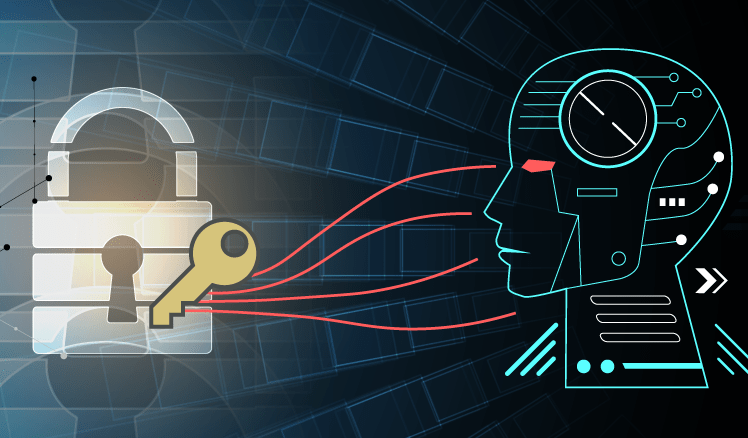
As technology continues to advance, so do the tactics employed by cybercriminals. From sophisticated malware and ransomware attacks to social engineering scams and insider threats, organizations face a myriad of security challenges that require proactive and adaptive defenses. AI platform for cybersecurity has emerged as a powerful ally in the fight against cyber threats, enabling organizations to enhance their security posture, detect anomalies in real-time, and respond swiftly to incidents.
The Need for AI Platform for Cybersecurity
Complexity of Cyber Threats
Cyber threats have grown increasingly sophisticated, leveraging advanced techniques such as polymorphic malware, zero-day exploits, and AI-driven attacks. Traditional security solutions struggle to keep pace with these evolving threats, leading to gaps in detection and response capabilities. AI platforms offer the agility and intelligence needed to analyze vast amounts of data, identify patterns, and detect anomalies indicative of malicious activity.
Scale and Speed of Attacks
Cyber attacks can occur at any time and target organizations of all sizes, from small businesses to multinational corporations. The scale and speed at which attacks can propagate pose significant challenges for human analysts to detect and mitigate effectively. AI-powered cybersecurity solutions provide the scalability and automation necessary to analyze incoming threats, prioritize alerts, and respond in real-time, thereby reducing the time to detect and contain security incidents.
Shortage of Skilled Security Professionals
The cybersecurity skills gap is a pervasive challenge faced by organizations worldwide, with a shortage of qualified professionals capable of defending against increasingly complex threats. AI platforms alleviate the burden on human analysts by automating routine tasks, augmenting decision-making processes, and enabling security teams to focus their expertise on high-value activities such as threat hunting, incident response, and strategy development.
Rapidly Evolving Threat Landscape
The threat landscape is constantly evolving, with cybercriminals continuously adapting their tactics and techniques to evade detection and exploit vulnerabilities. Organizations must stay ahead of emerging threats by leveraging AI-driven analytics, threat intelligence, and predictive capabilities to anticipate and mitigate potential risks. AI platforms enable organizations to detect new and unknown threats, uncover hidden patterns, and adapt their defenses in real-time to combat evolving cyber threats effectively.
Benefits of AI Platform for Cybersecurity
Enhanced Threat Detection and Response
AI platform for cybersecurity leverages advanced analytics, machine learning algorithms, and behavioral analysis techniques to detect and respond to security threats with greater accuracy and speed than traditional methods. By analyzing network traffic, endpoint data, and user behavior in real-time, AI platforms can identify anomalous patterns indicative of malicious activity, enabling organizations to respond swiftly and mitigate risks before they escalate.
Automation of Security Operations
AI-powered cybersecurity solutions automate repetitive tasks such as log analysis, vulnerability scanning, and incident triage, freeing up valuable time for security professionals to focus on strategic initiatives. By automating routine processes, AI platforms improve operational efficiency, reduce human error, and enable security teams to scale their defenses to meet the demands of today’s dynamic threat landscape.
Predictive Analytics and Threat Intelligence
AI platforms harness the power of predictive analytics and threat intelligence to forecast potential security threats based on historical data, ongoing trends, and emerging indicators of compromise. By aggregating and analyzing data from diverse sources, including internal logs, external feeds, and open-source intelligence, AI platforms provide organizations with actionable insights to proactively identify and mitigate security risks before they materialize into full-blown attacks.
Scalability and Adaptability
AI platform for cybersecurity offers unparalleled scalability and adaptability, allowing organizations to deploy security solutions that can scale to meet the needs of growing networks, expanding user bases, and evolving threat landscapes. Whether deployed on-premises or in the cloud, AI-powered cybersecurity solutions can dynamically adjust to changing conditions, scale resources on-demand, and adapt their defenses to address emerging threats effectively.
Continuous Monitoring and Threat Hunting
AI platforms enable organizations to implement continuous monitoring and threat hunting capabilities, allowing security teams to proactively search for signs of compromise and indicators of advanced threats within their networks. By correlating disparate data sources, analyzing historical patterns, and applying machine learning algorithms, AI platforms empower security analysts to identify and investigate suspicious activities, uncovering hidden threats that may evade traditional detection methods.
Role of AI Platforms in Cybersecurity
Threat Detection and Prevention
AI platforms play a crucial role in detecting and preventing a wide range of cyber threats, including malware, ransomware, phishing attacks, and insider threats. By analyzing network traffic, endpoint behavior, and user activity, AI platforms can identify suspicious patterns, anomalies, and indicators of compromise, enabling organizations to take proactive measures to thwart potential attacks before they cause harm.
Incident Response and Remediation
In the event of a security incident, AI platforms facilitate rapid incident response and remediation efforts by automating the detection, analysis, and containment of threats. By orchestrating response actions, prioritizing alerts, and guiding security teams through the incident response process, AI platforms help organizations minimize the impact of security breaches, mitigate risks, and restore normal operations quickly and efficiently.
Adaptive Security Defenses
AI platforms enable organizations to implement adaptive security defenses that can dynamically adjust and evolve in response to changing threats and attack vectors. By continuously learning from new data, updating models, and refining algorithms, AI-powered cybersecurity solutions can stay ahead of emerging threats, adapt their defenses in real-time, and proactively defend against evolving cyber attacks.
Insider Threat Detection
AI platforms help organizations detect and mitigate insider threats by analyzing user behavior, monitoring access patterns, and identifying anomalous activities indicative of malicious intent. By establishing baseline behavior profiles for users and entities, AI-powered cybersecurity solutions can detect deviations from normal patterns, flag suspicious behavior, and alert security teams to potential insider threats before they cause significant damage.
Regulatory Compliance and Reporting
AI platforms assist organizations in achieving and maintaining regulatory compliance by providing comprehensive visibility into security posture, generating audit trails, and automating compliance reporting processes. By analyzing security logs, tracking access controls, and enforcing policy enforcement measures, AI-powered cybersecurity solutions help organizations demonstrate adherence to regulatory requirements and industry standards, thereby mitigating legal and financial risks associated with non-compliance.
Conclusion
The need for AI platforms in cybersecurity has never been greater, given the evolving nature of cyber threats and the growing complexity of defending against them. By leveraging advanced analytics, machine learning algorithms, and automation capabilities, AI-powered cybersecurity solutions enable organizations to enhance threat detection, automate security operations, and adapt their defenses to combat emerging threats effectively.
As organizations continue to invest in AI platforms for cybersecurity, it is essential to recognize the benefits they offer, including enhanced threat detection and response, automation of security operations, predictive analytics, scalability, and adaptability. By embracing AI-driven approaches to cybersecurity, organizations can strengthen their security posture, mitigate risks, and protect against the ever-changing landscape of cyber threats in an increasingly digital world.

