The manufacturing industry is on the brink of a new era, driven by the integration of advanced technologies like Generative AI (Gen AI). This powerful technology is reshaping how manufacturers design products, optimize processes, and make data-driven decisions. A Generative AI platform tailored for manufacturing offers numerous benefits, from accelerating innovation to enhancing operational efficiency. In this article, we will explore what a Generative AI platform for manufacturing entails, its core features, benefits, use cases, and the challenges and considerations for its implementation.
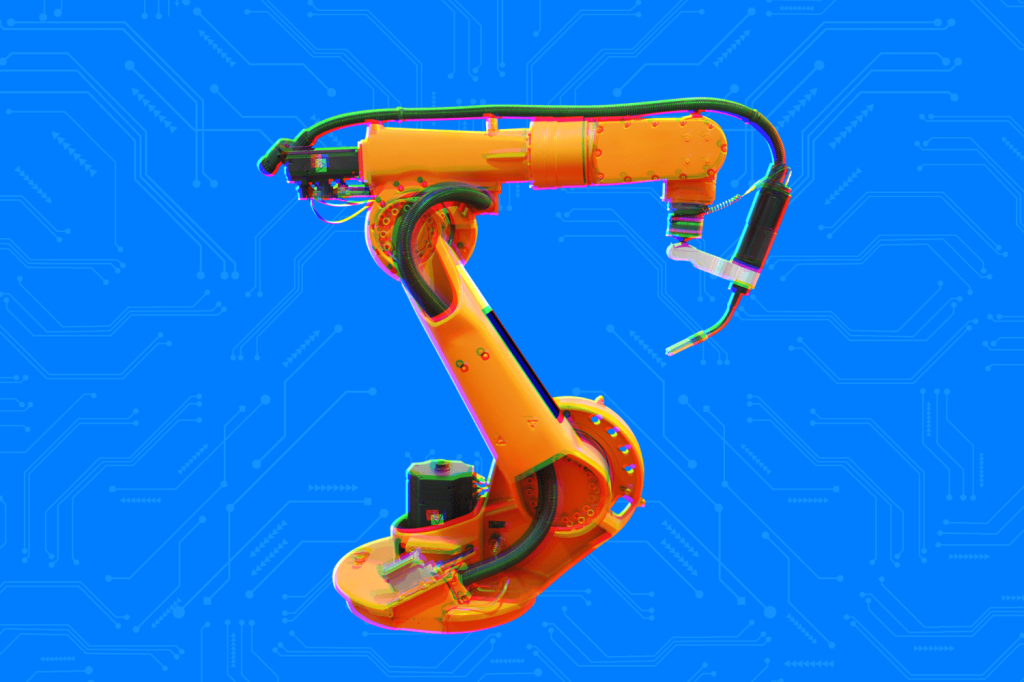
Introduction to Generative AI in Manufacturing
What is Generative AI?
Generative AI refers to artificial intelligence that can create new content, ideas, or solutions based on learned patterns from existing data. Unlike traditional AI, which relies on predefined rules or fixed data sets, Generative AI platform for manufacturing can innovate and generate novel outputs, making it a powerful tool for industries like manufacturing where customization and optimization are key.
The Role of Generative AI in Manufacturing
In the manufacturing sector, Generative AI can be applied to various stages of the production process. From designing new products and optimizing supply chains to predicting maintenance needs, Generative AI offers manufacturers the ability to enhance efficiency, reduce costs, and stay competitive in a rapidly evolving market.
Key Features of a Generative AI Platform for Manufacturing
1. Advanced Product Design
1.1 Automated Design Generation
One of the most significant features of a Generative AI platform is its ability to automate product design. By inputting specific parameters such as material constraints, performance requirements, and cost targets, the platform can generate multiple design options that meet these criteria. This accelerates the design process and leads to more innovative solutions.
1.2 Design Optimization
Generative AI can also optimize existing designs by identifying areas for improvement, such as reducing material usage or enhancing structural integrity. This feature allows manufacturers to refine their products continuously, ensuring they remain competitive.
2. Process Optimization and Automation
2.1 Predictive Maintenance
Generative AI platforms can analyze vast amounts of data from sensors and machinery to predict when equipment is likely to fail. This predictive maintenance capability reduces downtime and maintenance costs, leading to more efficient operations.
2.2 Supply Chain Optimization
The platform can optimize supply chains by analyzing demand patterns, inventory levels, and supplier performance. This helps manufacturers minimize waste, reduce lead times, and improve overall efficiency.
3. Data-Driven Decision Making
3.1 Real-Time Analytics
A Generative AI platform provides real-time analytics, allowing manufacturers to make data-driven decisions quickly. This feature is crucial for responding to market changes, production issues, or supply chain disruptions.
3.2 Scenario Simulation
The platform can simulate various production scenarios, helping manufacturers understand the potential impact of different decisions. This capability allows for better planning and risk management.
4. Customization and Personalization
4.1 Mass Customization
Generative AI enables mass customization, allowing manufacturers to produce customized products at scale. By analyzing customer preferences and production capabilities, the platform can generate designs and production plans that meet individual customer needs without sacrificing efficiency.
4.2 Personalized Product Recommendations
For manufacturers producing consumer goods, Generative AI can generate personalized product recommendations based on customer data, driving sales and improving customer satisfaction.
Benefits of Implementing a Generative AI Platform in Manufacturing
1. Increased Innovation
Generative AI accelerates the innovation process by generating new ideas and designs that may not have been considered by human designers. This leads to more innovative products and solutions that can give manufacturers a competitive edge.
2. Enhanced Efficiency
By optimizing processes and automating routine tasks, a Generative AI platform can significantly enhance operational efficiency. This leads to cost savings, reduced waste, and faster production times.
3. Improved Product Quality
Generative AI can identify potential issues in product designs before they reach the production stage, leading to higher quality products. Additionally, the platform’s ability to optimize processes ensures consistent quality throughout the production process.
4. Better Decision Making
With access to real-time data and advanced analytics, manufacturers can make more informed decisions. This reduces the risk of costly mistakes and ensures that production aligns with market demands.
5. Greater Flexibility and Adaptability
Generative AI allows manufacturers to quickly adapt to changes in the market, such as shifts in consumer preferences or disruptions in the supply chain. This flexibility is crucial in a fast-paced and competitive industry.
Use Cases of Generative AI in Manufacturing
1. Automotive Industry
In the automotive industry, Generative AI can be used to design lighter and more fuel-efficient vehicles. By analyzing various design parameters, the platform can generate innovative solutions that reduce weight without compromising safety or performance.
2. Aerospace Industry
Generative AI can help aerospace manufacturers design more efficient and reliable aircraft components. The platform can optimize designs for weight, strength, and durability, leading to better-performing and longer-lasting parts.
3. Consumer Electronics
For consumer electronics manufacturers, Generative AI can be used to design more compact and efficient devices. The platform can generate designs that optimize the use of space, materials, and energy, resulting in more innovative and sustainable products.
4. Healthcare Equipment
In the healthcare industry, Generative AI can be used to design medical devices that are both effective and affordable. The platform can generate designs that meet stringent regulatory requirements while optimizing for cost and performance.
Challenges in Developing a Generative AI Platform for Manufacturing
1. Data Management and Quality
1.1 Data Integration
Manufacturing processes generate vast amounts of data from various sources, including sensors, machines, and enterprise systems. Integrating this data into a unified format that can be used by the AI platform is a significant challenge.
1.2 Data Quality
Ensuring the quality of data used to train AI models is crucial. Inaccurate or incomplete data can lead to poor model performance and suboptimal outcomes.
2. Model Training and Validation
2.1 Training Data Requirements
AI models require large amounts of high-quality data for training. Collecting and curating this data in a manufacturing environment can be difficult, especially for rare events or complex processes.
2.2 Model Validation
Validating AI models to ensure they perform well in real-world scenarios is another challenge. This requires extensive testing and refinement, which can be time-consuming and resource-intensive.
3. Scalability and Integration
3.1 Scaling AI Solutions
Manufacturing environments are dynamic, with fluctuating workloads and varying production scales. Ensuring that AI models can scale to handle these variations is a critical challenge.
3.2 Integrating with Legacy Systems
Many manufacturing facilities rely on legacy systems that may not be compatible with new AI technologies. Integrating a Generative AI platform with these systems requires careful planning and execution.
4. Security and Compliance
4.1 Data Security
Manufacturing data is often sensitive, containing proprietary information and trade secrets. Ensuring the security of this data is essential to protect intellectual property and maintain competitive advantage.
4.2 Regulatory Compliance
Manufacturers must comply with various industry regulations and standards. Ensuring that the AI platform meets these compliance requirements is a significant challenge.
5. Ethical Considerations
5.1 Bias in AI Models
AI models can sometimes produce biased outcomes, leading to unfair or unethical decisions. Ensuring that AI models are fair and unbiased is crucial, especially in industries like manufacturing where the stakes are high.
5.2 Impact on Jobs
The adoption of AI in manufacturing may lead to concerns about job displacement. Addressing these concerns and ensuring that AI is used in a way that benefits all stakeholders is essential.
Best Practices for Implementing a Generative AI Platform in Manufacturing
1. Start Small and Scale
Begin with a small, focused project to test the capabilities of the Generative AI platform. Once the initial project is successful, scale the platform to cover more areas of the manufacturing process.
2. Focus on Data Quality
Invest in data cleaning, preprocessing, and integration to ensure that the AI platform has access to high-quality data. This is essential for training accurate and reliable AI models.
3. Collaborate with Experts
Work with AI and manufacturing experts to develop custom solutions tailored to your specific needs. Collaboration ensures that the AI platform is aligned with industry best practices and leverages the latest advancements in AI technology.
4. Prioritize Security and Compliance
Implement robust security measures and ensure that the AI platform complies with all relevant regulations and standards. This protects your data and ensures that the platform can be used in a real-world manufacturing environment.
5. Address Ethical Considerations
Develop an ethical AI framework to guide the use of Generative AI in manufacturing. This framework should prioritize fairness, transparency, and social responsibility.
Conclusion: The Future of Manufacturing with Generative AI
Generative AI has the potential to transform the manufacturing industry by driving innovation, enhancing efficiency, and enabling mass customization. However, developing and implementing a Generative AI platform for manufacturing requires careful planning and consideration of various challenges, including data management, model training, scalability, and ethical considerations.
By addressing these challenges and following best practices, manufacturers can successfully harness the power of Generative AI to stay competitive in an increasingly digital and automated world. The future of manufacturing lies in the integration of AI technologies, and those who invest in developing robust Generative AI platforms today will be the leaders of tomorrow.
 Tech Traffic