Generative AI is reshaping the retail landscape, offering innovative ways to enhance customer experience, optimize operations, and drive sales. As retailers increasingly adopt AI technologies, understanding the key features of generative AI solutions becomes essential. This article delves into the standout features of generative AI for retail, highlighting how these capabilities can transform the industry.
Introduction: The Rise of Generative AI Solution for Retail
Generative AI solution for retail, powered by advanced machine learning algorithms, enables the creation of new content, personalization of customer experiences, and automation of various retail processes. By leveraging these capabilities, retailers can stay competitive in a rapidly evolving market, meet customer expectations, and drive growth.
Key Features of Generative AI Solution for Retail
1. Personalized Customer Experience
1.1 Hyper-Personalized Recommendations
- Feature: Generative AI analyzes vast amounts of customer data to provide highly personalized product recommendations.
- Benefit: By understanding individual preferences, past behavior, and real-time interactions, AI-driven recommendations enhance customer satisfaction and increase sales.
1.2 Dynamic Content Generation
- Feature: AI generates personalized content for marketing emails, product descriptions, and promotional materials.
- Benefit: Tailoring content to individual customers improves engagement and conversion rates, making marketing efforts more effective.
2. Advanced Inventory Management
2.1 Predictive Demand Forecasting
- Feature: AI models predict future demand by analyzing historical sales data, market trends, and external factors such as weather and holidays.
- Benefit: Accurate demand forecasting helps retailers optimize inventory levels, reduce stockouts, and minimize overstock, leading to better inventory management.
2.2 Automated Stock Replenishment
- Feature: Generative AI automates the stock replenishment process by predicting when products need to be reordered.
- Benefit: Automation ensures timely restocking, reduces manual errors, and improves operational efficiency.
3. Intelligent Pricing Strategies
3.1 Dynamic Pricing
- Feature: AI adjusts prices in real-time based on factors like demand, competition, and inventory levels.
- Benefit: Dynamic pricing maximizes revenue and competitiveness by ensuring prices are optimal for both the retailer and the customer.
3.2 Personalized Discounts and Offers
- Feature: AI generates personalized discounts and offers based on customer behavior and preferences.
- Benefit: Tailored promotions drive customer loyalty and increase the likelihood of repeat purchases.
4. Enhanced Customer Support
4.1 AI-Powered Chatbots
- Feature: AI-driven chatbots provide instant customer support, answering queries, and assisting with transactions.
- Benefit: Chatbots improve customer service efficiency, reduce wait times, and offer 24/7 support.
4.2 Virtual Shopping Assistants
- Feature: AI-powered virtual assistants guide customers through their shopping journey, offering personalized advice and product recommendations.
- Benefit: Virtual assistants enhance the shopping experience, making it more interactive and tailored to individual needs.
5. Innovative Marketing Solutions
5.1 AI-Generated Advertising
- Feature: Generative AI creates compelling ad copy, visuals, and videos tailored to target audiences.
- Benefit: Automated ad creation saves time, ensures consistency, and improves the effectiveness of marketing campaigns.
5.2 Customer Segmentation and Targeting
- Feature: AI segments customers based on behavior, demographics, and preferences to enable precise targeting.
- Benefit: Targeted marketing campaigns yield higher engagement and conversion rates by reaching the right audience with relevant messages.
6. Enhanced In-Store Experience
6.1 Smart Shelving and Inventory Tracking
- Feature: AI-powered smart shelves track inventory levels in real-time and alert staff when items need restocking.
- Benefit: This ensures products are always available for customers, enhancing the in-store shopping experience.
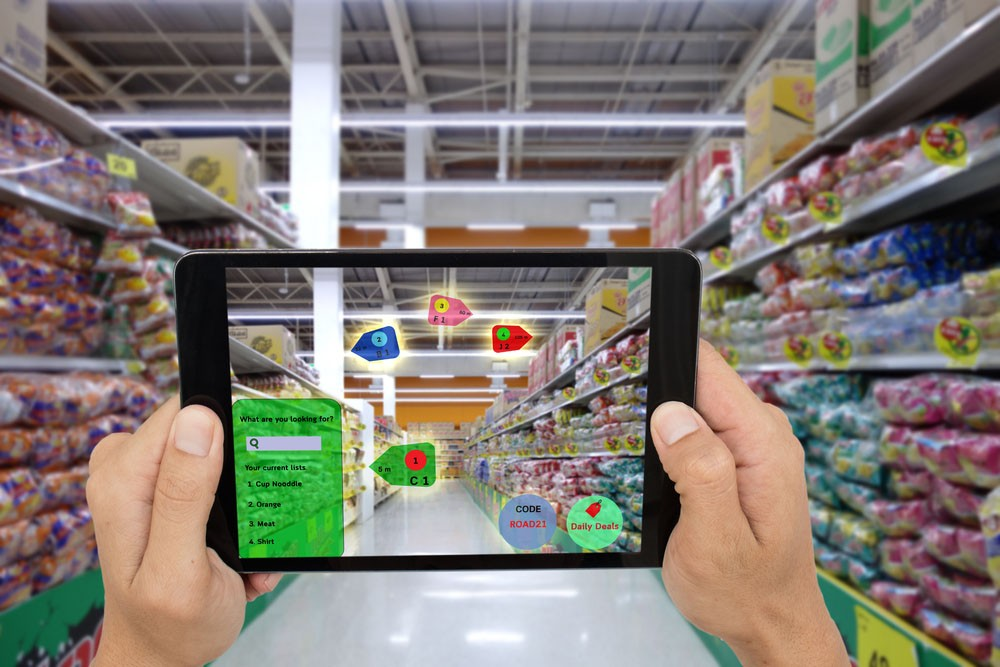
6.2 Interactive Displays and Kiosks
- Feature: AI-driven interactive displays and kiosks provide product information, recommendations, and personalized promotions.
- Benefit: These technologies engage customers, offer a unique shopping experience, and drive sales.
7. Operational Efficiency
7.1 Supply Chain Optimization
- Feature: AI optimizes the supply chain by predicting disruptions, identifying inefficiencies, and suggesting improvements.
- Benefit: Enhanced supply chain efficiency reduces costs, improves delivery times, and increases reliability.
7.2 Workforce Management
- Feature: Generative AI predicts staffing needs based on factors like foot traffic, sales trends, and promotions.
- Benefit: Optimized workforce management ensures adequate staffing levels, improving customer service and operational efficiency.
8. Data-Driven Decision Making
8.1 Advanced Analytics
- Feature: AI provides advanced analytics and insights by analyzing large datasets from various sources.
- Benefit: Data-driven insights inform strategic decisions, helping retailers stay competitive and adapt to market changes.
8.2 Real-Time Monitoring
- Feature: Generative AI offers real-time monitoring of sales, inventory, and customer behavior.
- Benefit: Real-time data enables retailers to respond quickly to changes, optimize operations, and enhance customer experiences.
Challenges and Solutions in Implementing Generative AI for Retail
1. Data Privacy and Security
1.1 Challenge
- Ensuring customer data privacy and security while leveraging AI for personalization.
1.2 Solution
- Implement robust data governance frameworks and use AI solutions with built-in privacy features.
2. Integration with Existing Systems
2.1 Challenge
- Integrating AI solutions with legacy systems and ensuring seamless workflow integration.
2.2 Solution
- Use middleware solutions and APIs for smooth integration, and conduct thorough workflow analysis.
3. Expertise and Skills Gap
3.1 Challenge
- Lack of in-house expertise to develop and maintain AI solutions.
3.2 Solution
- Invest in training programs, hire AI specialists, and partner with AI consulting firms.
4. Ethical AI Use
4.1 Challenge
- Avoiding bias in AI models and ensuring ethical use of AI.
4.2 Solution
- Regularly audit AI models for bias, employ diverse training data, and establish ethical AI guidelines.
Conclusion: Embracing Generative AI for a Future-Ready Retail
Generative AI offers a plethora of features that can revolutionize the retail industry. From personalized customer experiences and intelligent inventory management to innovative marketing solutions and enhanced in-store experiences, the potential of AI in retail is vast.
By understanding and leveraging the key features of generative AI solutions, retailers can stay ahead of the curve, meet evolving customer expectations, and drive growth. While challenges exist, strategic planning, investment in technology and skills, and ethical considerations can ensure successful AI implementation.
Embracing generative AI is not just about adopting new technology; it’s about transforming the retail experience, optimizing operations, and preparing for a future where AI plays a central role in retail success.
 Tech Traffic