In the dynamic landscape of manufacturing, the integration of advanced technologies such as generative artificial intelligence (AI) is revolutionizing traditional practices and driving unprecedented efficiencies. This article explores the latest advancements and innovations in enterprise Gen AI Solution for Manufacturing, highlighting their transformative impact on modern manufacturing operations.
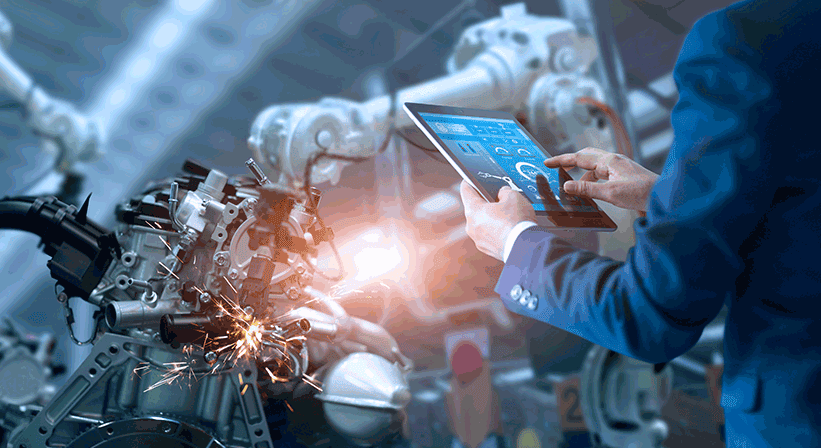
Introduction to Enterprise Generative AI Solutions
Understanding Gen AI Solution for Manufacturing
Generative AI leverages machine learning algorithms to generate new content, designs, or solutions based on input data and predefined parameters. In manufacturing, these AI-driven platforms analyze extensive datasets to optimize processes, predict outcomes, and automate decision-making throughout the production lifecycle.
Importance of Generative AI in Modern Manufacturing
Gen AI Solution for Manufacturing empowers manufacturers to enhance productivity, improve product quality, and innovate rapidly in response to evolving market demands. By harnessing AI-driven insights and automation, manufacturers can achieve operational excellence, drive sustainable growth, and maintain competitive advantage in a global marketplace.
Recent Developments in Enterprise Generative AI Solutions
1. Advanced Predictive Maintenance Capabilities
AI-Powered Predictive Maintenance
Recent advancements in Gen AI Solution for Manufacturing have enhanced predictive maintenance capabilities by integrating sophisticated algorithms that analyze real-time sensor data. These AI systems predict equipment failures, optimize maintenance schedules, and minimize downtime, thereby improving overall equipment effectiveness (OEE) and reducing operational costs.
Proactive Equipment Health Monitoring
Generative AI platforms now offer proactive equipment health monitoring through continuous analysis of machine performance metrics. By detecting early signs of equipment degradation or anomalies, manufacturers can preemptively address issues before they escalate, ensuring uninterrupted production and maximizing asset lifespan.
2. AI-Driven Quality Control and Assurance
Real-Time Quality Monitoring
AI-driven quality control systems monitor production processes in real-time, leveraging computer vision and machine learning to detect defects with high accuracy. These systems ensure consistent product quality by identifying deviations from quality standards and triggering immediate corrective actions, minimizing waste and enhancing customer satisfaction.
Automated Visual Inspection
Recent developments in generative AI have led to advancements in automated visual inspection technologies. AI-powered inspection systems analyze product images or videos for defects, anomalies, or irregularities, enabling manufacturers to achieve higher inspection accuracy, faster throughput, and reduced labor costs compared to manual inspection methods.
3. Optimized Supply Chain Management
AI-Driven Demand Forecasting
Generative AI solutions optimize supply chain management through advanced demand forecasting capabilities. By analyzing historical data, market trends, and external factors, AI systems predict future demand with greater accuracy, enabling manufacturers to optimize inventory levels, reduce stockouts, and enhance supply chain resilience.
Agile Manufacturing and Just-in-Time Production
AI facilitates agile manufacturing processes by enabling real-time adjustments to production schedules and resource allocation based on demand fluctuations. Generative AI platforms support just-in-time (JIT) manufacturing strategies, ensuring efficient use of resources and reducing lead times to meet dynamic market demands effectively.
4. Enhanced Design and Innovation
AI-Driven Design Optimization
Recent developments in AI-driven design optimization enable manufacturers to create innovative product designs that meet performance criteria and manufacturing constraints. Generative AI platforms generate multiple design iterations, evaluate each variant against specified parameters, and recommend optimal designs that balance functionality, cost-effectiveness, and manufacturability.
Simulation and Virtual Prototyping
Generative AI facilitates virtual prototyping and simulation, allowing manufacturers to visualize, test, and validate product designs in a digital environment. These simulations simulate real-world scenarios, identify potential design flaws early in the development process, and optimize product performance before physical prototyping, reducing time-to-market and development costs.
Strategic Implications and Considerations
1. Data Privacy and Security
Ensuring data privacy and security remains paramount in the adoption of generative AI solutions for manufacturing. Manufacturers must implement robust cybersecurity measures, encryption protocols, and access controls to protect sensitive manufacturing data from cyber threats and unauthorized access.
2. Integration with Existing Systems
Integrating generative AI platforms with existing manufacturing systems requires careful planning, interoperability testing, and seamless deployment strategies. Manufacturers should prioritize compatibility, scalability, and user acceptance to maximize the benefits of AI-driven technologies without disrupting ongoing operations.
3. Skills Development and Workforce Training
The successful adoption of generative AI in manufacturing necessitates workforce upskilling and training initiatives. Manufacturers should invest in developing employees’ AI literacy, technical competencies, and problem-solving skills to effectively leverage AI tools and drive continuous improvement in manufacturing operations.
Future Outlook for Enterprise Generative AI in Manufacturing
1. Industry 4.0 and Smart Manufacturing
Generative AI is poised to play a pivotal role in Industry 4.0 initiatives, driving smart manufacturing transformation and digitalization across the manufacturing value chain. AI-enabled automation, real-time data analytics, and cognitive computing will empower manufacturers to achieve agility, resilience, and sustainability in their operations.
2. Innovation and Competitive Differentiation
The future of enterprise generative AI solutions in manufacturing will focus on fostering innovation, accelerating product development cycles, and differentiating products in competitive markets. AI-driven insights, predictive capabilities, and adaptive manufacturing processes will enable manufacturers to respond swiftly to market changes and customer expectations.
Conclusion
The rapid evolution of enterprise generative AI solutions is reshaping manufacturing paradigms, offering unprecedented opportunities for operational optimization, product innovation, and sustainable growth. By embracing AI technologies, manufacturers can navigate complexities, capitalize on emerging trends, and lead the charge towards a smarter, more efficient future.
As generative AI continues to advance, its integration into manufacturing processes will drive continuous improvement, empower workforce capabilities, and unlock new possibilities for innovation and competitiveness. By staying at the forefront of AI innovation, manufacturers can leverage generative AI to achieve transformative outcomes and redefine industry standards in a rapidly evolving global marketplace.
 Tech Traffic