Introduction
As organizations navigate the digital age, the integration of advanced technologies like Enterprise Generative AI (Gen AI) into Human Resources (HR) operations has become imperative. Implementing Gen AI solutions in HR can streamline processes, enhance decision-making, and optimize workforce management. This article serves as a comprehensive guide on how to effectively implement Enterprise Gen AI solutions in HR settings.
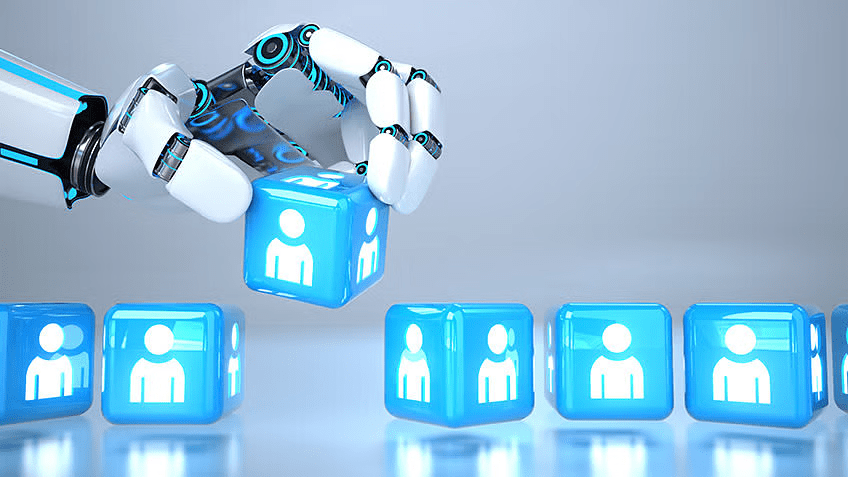
Understanding Enterprise Gen AI Solution for Human Resources
Enterprise Gen AI solutions leverage sophisticated AI technologies such as machine learning, natural language processing (NLP), and predictive analytics to automate tasks, analyze data, and improve HR functionalities. The Gen AI Solution for Human Resources is designed to handle complex HR processes efficiently, from recruitment and talent management to employee development and retention strategies.
Key Components of Enterprise Gen AI Solution for Human Resources
Successful implementation of Enterprise Gen AI solutions in HR typically involves integrating the following components:
- Machine Learning Models: Trained algorithms that analyze data patterns to predict outcomes, optimize workflows, and enhance decision-making in HR operations.
- Natural Language Processing (NLP): Enables systems to understand and generate human-like text, facilitating communication, feedback analysis, and content creation.
- Predictive Analytics: Utilizes historical and real-time data to forecast trends, identify risks, and recommend strategic HR initiatives.
Steps to Implement Enterprise Gen AI Solutions in HR
Implementing Enterprise Gen AI Solution for Human Resources requires careful planning, collaboration across departments, and a clear roadmap to ensure successful integration and adoption within the organization.
1. Assess Current HR Processes and Identify Pain Points
Before implementation, conduct a thorough assessment to:
- Evaluate Existing Systems: Review current HR technologies, processes, and data sources to identify areas where AI can add value and improve efficiency.
- Identify Pain Points: Determine specific HR challenges such as recruitment bottlenecks, employee retention issues, or inefficiencies in talent management that AI can address.
2. Set Clear Objectives and Goals
Define measurable objectives and goals for implementing Gen AI solutions in HR, such as:
- Enhancing Recruitment Efficiency: Reduce time-to-hire, improve candidate quality, and streamline the recruitment process.
- Optimizing Employee Development: Personalize learning and development programs, identify skill gaps, and improve training effectiveness.
- Boosting Employee Engagement: Enhance communication, feedback mechanisms, and employee experience through AI-driven solutions.
3. Select the Right Enterprise Gen AI Platform
Choose an Enterprise Gen AI platform that aligns with your organization’s needs, budget, and technical requirements. Consider factors such as:
- Scalability and Integration: Ensure the platform can integrate seamlessly with existing HR systems and scale operations as per organizational growth.
- Customization Capabilities: Evaluate whether the platform offers customization options to tailor AI solutions to specific HR processes and workflows.
- Vendor Reputation and Support: Research the vendor’s track record, customer reviews, and level of support offered to ensure a smooth implementation and ongoing maintenance.
4. Data Preparation and Integration
Prepare HR data for AI analysis by:
- Data Cleaning and Standardization: Ensure data quality and consistency across various HR datasets to improve the accuracy of AI-driven insights.
- Data Privacy and Security: Implement robust data protection measures to safeguard sensitive HR information and comply with regulatory requirements (e.g., GDPR, CCPA).
5. Pilot Testing and Evaluation
Conduct a pilot test of the Enterprise Gen AI solution to:
- Validate Performance: Assess the accuracy, effectiveness, and user-friendliness of AI algorithms and functionalities in real-world HR scenarios.
- Gather Feedback: Solicit feedback from HR professionals, stakeholders, and end-users to identify any issues, refine processes, and make necessary adjustments before full deployment.
6. Training and Change Management
Provide comprehensive training and support to HR teams and employees:
- Skill Development: Educate HR professionals on how to interpret AI-driven insights, leverage AI tools effectively, and integrate AI into daily workflows.
- Change Management: Address resistance to technological change by communicating the benefits of AI adoption, providing ongoing support, and fostering a culture of innovation and continuous learning.
7. Monitor Performance and Iterate
After deployment, continuously monitor the performance of the Enterprise Gen AI solution:
- Performance Metrics: Track key performance indicators (KPIs) such as recruitment efficiency, employee engagement scores, and ROI on AI investments.
- Iterative Improvements: Use feedback and performance data to iteratively improve AI models, refine processes, and optimize HR strategies over time.
Challenges and Considerations
Implementing Enterprise Gen AI solutions in HR comes with challenges that organizations must address proactively:
- Resource Allocation: Allocate sufficient resources, including budget, IT infrastructure, and skilled personnel, to support AI implementation and ongoing maintenance.
- Ethical Use of AI: Ensure AI algorithms are transparent, unbiased, and comply with ethical standards to mitigate potential risks of algorithmic bias in HR decision-making.
- Change Management: Manage organizational change effectively by addressing concerns, providing training, and fostering a collaborative culture around AI adoption in HR.
Future Outlook
The future of Enterprise Gen AI in HR holds immense potential for innovation and growth:
- Advancements in AI Technology: Continued developments in AI algorithms, predictive analytics, and natural language processing will further enhance the capabilities of Gen AI solutions in HR.
- Integration with Emerging Technologies: Integration with technologies like augmented reality (AR), virtual reality (VR), and blockchain may revolutionize HR practices, from remote onboarding to secure employee data management.
- Expansion of AI Applications: AI-driven HR solutions will extend beyond traditional functions to address new challenges such as diversity and inclusion, employee well-being, and adaptive workforce planning.
Conclusion
Implementing Enterprise Gen AI solutions in Human Resources represents a strategic opportunity for organizations to optimize HR processes, improve decision-making, and foster a more engaged and productive workforce. By following a systematic approach—from assessing current processes to selecting the right AI platform, preparing data, piloting, training, and monitoring performance—organizations can unlock the transformative power of AI to drive sustainable growth and competitive advantage in the digital era.
In conclusion, mastering the implementation of Enterprise Gen AI solutions in HR requires careful planning, proactive management of challenges, and a commitment to leveraging technology to enhance HR effectiveness and organizational success.
 Tech Traffic