Introduction
The automotive industry is undergoing a significant transformation driven by technological advancements, changing consumer preferences, and increasing regulatory requirements. In this era of rapid change, automakers are turning to Artificial Intelligence (AI) solutions to address challenges, enhance efficiency, and revolutionize vehicle design, manufacturing, and operation. In this comprehensive article, we delve into the need, role, and benefits of AI solution for the automotive industry, exploring how they are reshaping the future of mobility.
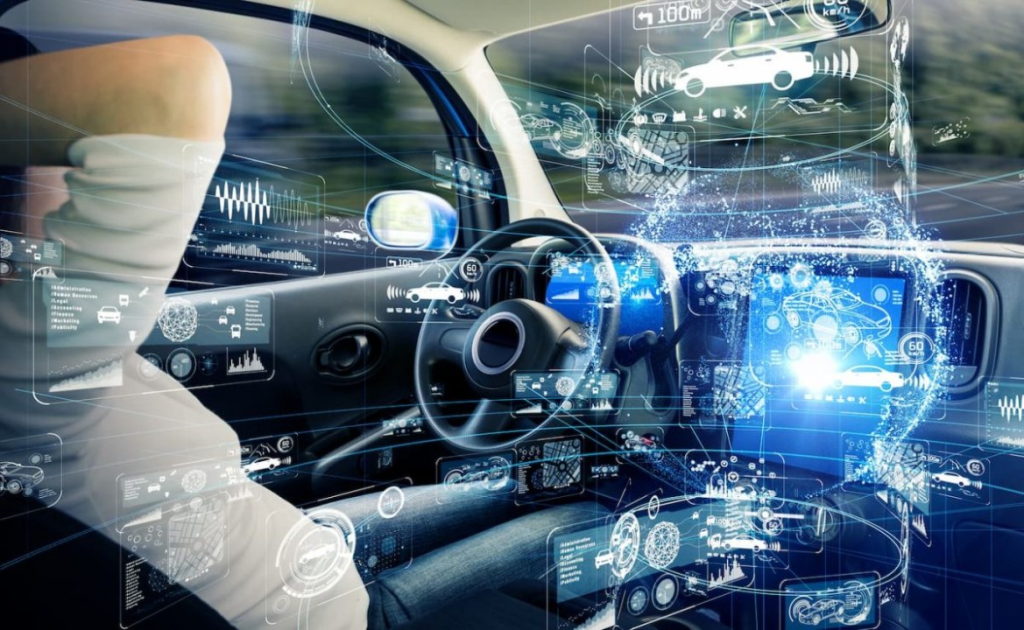
Understanding AI Solutions for Automotive Industry
AI solution for automotive industry encompass a wide range of technologies and applications that leverage Artificial Intelligence and Machine Learning algorithms to analyze data, make predictions, and automate processes. These solutions enable automakers to optimize manufacturing processes, enhance vehicle performance, improve safety, and deliver personalized user experiences. By harnessing the power of AI, the automotive industry is poised to achieve unprecedented levels of innovation, efficiency, and sustainability.
The Need for AI Solutions in the Automotive Industry
1. Addressing Complexity
The automotive industry is becoming increasingly complex, with vehicles incorporating advanced technologies such as electric propulsion, connectivity, and autonomous driving. AI solution for automotive industry helps automakers manage this complexity by enabling them to analyze vast amounts of data, optimize systems, and develop intelligent vehicles that meet evolving customer needs and regulatory requirements.
2. Enhancing Safety
Safety is a top priority for automakers, with AI solutions playing a critical role in improving vehicle safety through features such as advanced driver assistance systems (ADAS) and autonomous driving capabilities. By leveraging sensor data, computer vision, and predictive analytics, AI solution for automotive enables vehicles to detect and respond to potential hazards, reduce the risk of accidents, and enhance occupant protection.
3. Improving Efficiency
Efficiency is essential for automakers to remain competitive in a rapidly changing market. AI solution for automotive help automakers optimize manufacturing processes, reduce waste, and improve productivity through predictive maintenance, quality control, and supply chain optimization. By automating routine tasks and optimizing workflows, AI solutions enable automakers to streamline operations and reduce costs while improving overall efficiency.
4. Personalizing User Experiences
Consumer preferences are evolving, with customers demanding personalized experiences and advanced features in their vehicles. AI solution for automotive enables automakers to deliver personalized user experiences through features such as voice recognition, natural language processing, and intelligent infotainment systems. By analyzing data on driver behavior, preferences, and usage patterns, AI solutions enable automakers to tailor products and services to individual needs, driving customer satisfaction and brand loyalty.
The Role of AI Solutions in the Automotive Industry
AI solutions play a multifaceted role in the automotive industry, enabling automakers to innovate, optimize processes, and deliver superior products and services to customers.
1. Innovation
AI solutions drive innovation in the automotive industry by enabling automakers to develop new technologies, features, and business models that meet evolving customer needs and market trends. From autonomous driving and connected vehicles to predictive maintenance and personalized user experiences, AI solutions enable automakers to push the boundaries of what’s possible and create a safer, more efficient, and sustainable future for mobility.
2. Optimization
AI solutions optimize various aspects of automotive operations, including manufacturing processes, supply chain management, and vehicle performance. By analyzing data, identifying patterns, and making predictions, AI solutions enable automakers to streamline operations, reduce costs, and improve efficiency across the entire value chain. From predicting equipment failures and optimizing production schedules to optimizing vehicle performance and fuel efficiency, AI solutions help automakers achieve operational excellence and maintain a competitive edge in the market.
3. Safety and Security
Safety and security are paramount in the automotive industry, with AI solutions playing a critical role in enhancing vehicle safety and protecting against cyber threats. AI-powered advanced driver assistance systems (ADAS) enable vehicles to detect and respond to potential hazards, reducing the risk of accidents and improving occupant protection. Additionally, AI solutions help automakers detect and prevent cybersecurity threats, safeguarding vehicle systems and ensuring the integrity and confidentiality of data.
4. Customer Experience
AI solutions enhance the customer experience by enabling automakers to deliver personalized products and services that meet individual preferences and needs. From intelligent infotainment systems and voice-activated assistants to predictive maintenance alerts and remote diagnostics, AI solutions enrich the driving experience and create stronger connections between automakers and customers. By analyzing data on driver behavior, preferences, and usage patterns, AI solutions enable automakers to anticipate needs, deliver proactive support, and build brand loyalty.
Benefits of AI Solutions for the Automotive Industry
The adoption of AI solutions offers numerous benefits for automakers, suppliers, and customers alike:
1. Improved Safety
AI solutions enhance vehicle safety through features such as advanced driver assistance systems (ADAS), autonomous driving capabilities, and predictive maintenance alerts, reducing the risk of accidents and improving occupant protection.
2. Enhanced Efficiency
AI solutions optimize manufacturing processes, supply chain management, and vehicle performance, reducing costs, improving productivity, and enhancing operational efficiency across the entire value chain.
3. Personalized User Experiences
AI solutions enable automakers to deliver personalized products and services that meet individual preferences and needs, enhancing the driving experience, and driving customer satisfaction and loyalty.
4. Innovation and Differentiation
AI solutions drive innovation in the automotive industry by enabling the development of new technologies, features, and business models that differentiate automakers from competitors and meet evolving customer needs and market trends.
5. Enhanced Security
AI solutions help automakers detect and prevent cybersecurity threats, safeguarding vehicle systems and ensuring the integrity and confidentiality of data, enhancing customer trust and brand reputation.
6. Sustainable Practices
AI solutions optimize resource utilization, reduce waste, and minimize environmental impact through efficient operations and sustainable technologies, contributing to a more sustainable and environmentally friendly automotive industry.
Future Outlook
As AI technologies continue to evolve and mature, their role in the automotive industry is expected to expand further. With advancements in machine learning, deep learning, and predictive analytics, AI solutions will enable automakers to achieve unprecedented levels of innovation, efficiency, and competitiveness. By embracing AI solutions, the automotive industry can navigate the challenges of the digital age, drive sustainable growth, and deliver transformative experiences to customers.
Conclusion
AI solutions play a crucial role in driving innovation, efficiency, and customer satisfaction in the automotive industry. From improving safety and optimizing operations to delivering personalized user experiences and driving innovation, AI solutions enable automakers to stay ahead of the curve and create a safer, more efficient, and sustainable future for mobility. By harnessing the power of AI, automakers can unlock new opportunities for growth, differentiation, and success in the rapidly evolving automotive landscape.
 Tech Traffic